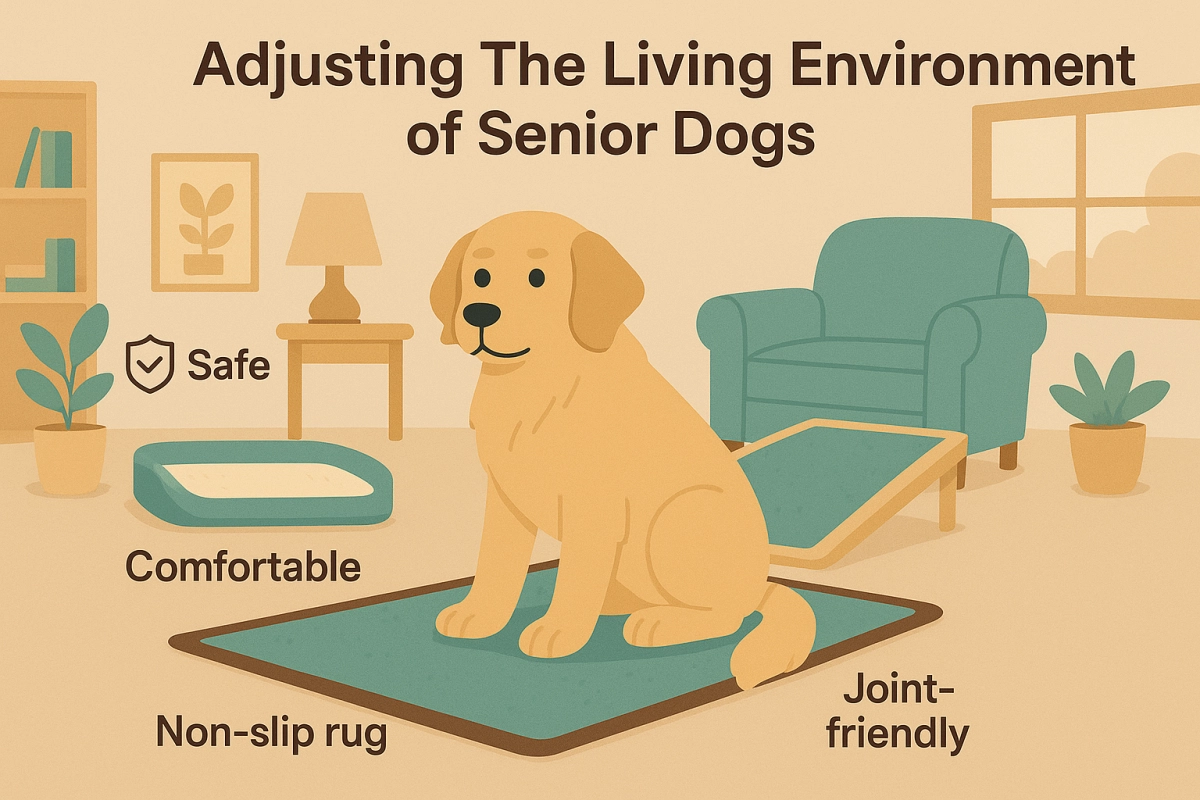
As dogs grow older, their needs change in subtle but important ways. Joints stiffen, vision and hearing may fade, and energy levels often decline. One of the most meaningful things you can do for an aging dog is to adjust their living environment so it feels safe, comfortable, and easy to navigate. With a few thoughtful changes—and the strategic use of tools like dog braces and dog harnesses—you can dramatically improve your senior dog’s quality of life.
1. Understanding the Needs of Senior Dogs
Senior dogs are more likely to experience:
-
Arthritis or joint pain
-
Decreased muscle strength
-
Reduced vision or hearing
-
Less tolerance for heat or cold
-
Slower digestion and more sensitive stomachs
These changes don’t mean your dog can’t enjoy life; they simply mean the environment should work with their aging body rather than against it. Think of your home as a customizable space that can support their mobility, comfort, and sense of security.
2. Making the Home Easier to Move Around
a. Flooring and Traction
Slippery floors are a big challenge for older dogs, especially those with joint pain or muscle weakness.
-
Add non-slip rugs or carpet runners along your dog’s usual paths.
-
Use rubber-backed mats near areas where they jump on/off, like beside a sofa or near the bed.
-
Keep floors dry and clutter-free to prevent slips and tripping.
This is also where dog braces and supportive harnesses work well in combination with environmental changes. Even with grippy rugs, a dog with weak joints benefits from extra stabilization.
b. Ramps and Stairs
Jumping into a car or climbing steep stairs can be painful for older dogs.
-
Use ramps for cars, couches, and beds to reduce impact on joints.
-
If stairs are unavoidable, consider baby gates to block unsafe areas and encourage your dog to stay on a single floor.
For dogs that still need to navigate a few steps, a lifting harness makes it easier for you to support their weight without straining their body—or your back.
3. Comfortable Resting and Sleeping Areas
Senior dogs spend more time resting, so their bed becomes one of the most important parts of their environment.
-
Choose an orthopedic or memory foam bed to cushion joints.
-
Make sure the bed is low and easy to step into, not tall or unstable.
-
Place the bed in a quiet corner away from drafts but close enough to family activity so your dog doesn’t feel isolated.
If your dog uses leg braces (for knees, hocks, or elbows), a supportive bed helps align the body and reduces pressure points, making the brace even more effective.
4. Using Dog Braces to Support Aging Joints
Dog braces are orthopedic supports designed to stabilize and protect weak or injured joints. For senior dogs, they can be especially helpful for conditions such as arthritis, ligament injuries, or general joint instability.
How Dog Braces Help
-
Stability: They reduce unwanted joint movement, which can decrease pain.
-
Confidence: With extra support, dogs often feel more secure walking on different surfaces.
-
Protection: Braces can help prevent further strain or injury during everyday activities.
Choosing and Using Dog Braces
When incorporating dog braces into your senior dog’s environment:
-
Choose the correct size and type (e.g., knee brace, hock brace, carpal/wrist brace) based on your vet’s guidance.
-
Start with short wear times so your dog can get used to the feeling.
-
Check the skin under the brace regularly for redness or irritation.
-
Use braces during activities when the dog needs the most support—such as going outside, walking on slippery floors, or climbing gentle ramps.
Braces work best as part of a bigger plan: safe flooring, short walks, and an ergonomic home layout all contribute to keeping your senior dog mobile.
5. Dog Harnesses: A Key Tool for Support and Safety
Dog harnesses are more than a walking accessory for older dogs—they can be a critical support tool.
Benefits of Dog Harnesses for Senior Dogs
-
Better control without neck strain: Unlike collars, harnesses distribute pressure across the chest and shoulders, which is kinder on the neck and spine.
-
Assistance with standing and walking: Many harnesses for senior dogs include handles that let you gently lift the dog or help them balance.
-
Safer car travel: A well-fitted harness can be attached to a seat belt, keeping your senior dog secure in the car.
Choosing the Right Harness
Look for a harness that:
-
Fits snugly but not tightly—you should be able to slip two fingers under the straps.
-
Has padding in high-pressure areas for comfort.
-
Includes a sturdy handle on the back if your dog needs lifting help.
-
Is easy to put on and take off, so you don’t have to bend or twist sore limbs.
Integrating Harness Use into Daily Life
To truly adjust the environment for your senior dog, think of the harness as part of the house setup:
-
Keep the harness near the door or by your dog’s bed so it’s easy to access when they need to go out.
-
Use the harness handle to help your dog stand up on slippery floors or step over thresholds.
-
During vet visits or grooming, a harness can help you guide and support your dog in unfamiliar spaces.
6. Lighting, Sound, and Sensory Comfort
Many senior dogs experience diminished vision or hearing, which can make the home feel confusing.
-
Improve lighting in hallways, near stairs, and around food/water bowls. Night lights can be very helpful.
-
Keep furniture in the same place—sudden changes can disorient your dog.
-
Avoid loud, sudden noises and provide a quiet “retreat area” for rest.
If your dog wears braces or a harness, make sure these items don’t jingle excessively or create startling noises that might add stress.
7. Food, Water, and Bathroom Accessibility
Eating and Drinking
-
Use raised bowls so your dog doesn’t have to bend down too far, which is helpful for dogs with neck, back, or elbow issues.
-
Keep bowls in a consistent, easily accessible location with non-slip mats underneath.
If your dog has front leg braces or a full-support harness, raised bowls allow them to maintain better posture while eating.
Bathroom Routines
-
Make sure your dog has frequent opportunities to go outside—older dogs may not be able to “hold it” as long.
-
If you have a yard with steps, use ramps and the harness handle to assist them safely.
-
In bad weather, consider a covered area or indoor potty solutions for small dogs.
8. Mental Stimulation and Emotional Comfort
An adjusted environment is not just physical—it’s emotional too.
-
Provide soft toys, puzzle feeders, and gentle games suited to your dog’s energy level.
-
Keep a predictable routine for feeding, walks, and rest; routine helps senior dogs feel secure.
-
Make time for calm affection—gentle petting, brushing, and simply sitting together.
Dog braces and harnesses should be introduced positively: pair them with treats, praise, and short, pleasant activities so your dog associates them with comfort and support, not stress.
9. Working with Your Veterinarian
Before adding dog braces or changing harness types, it’s wise to talk with your vet or a canine rehabilitation specialist. They can:
-
Recommend the right style and fit of braces and harnesses.
-
Suggest physical therapy exercises that match your dog’s environment (like gentle ramp climbing or harness-assisted walking).
-
Help monitor your dog’s progress and adjust the plan as needed.
10. Creating a Senior-Dog-Friendly Home
Adjusting the living environment of senior dogs is an ongoing process, not a one-time project. Look at your home through your dog’s eyes—and joints:
-
Are surfaces easy to walk on?
-
Is the bed supportive and easy to reach?
-
Are food, water, and outdoor access convenient?
-
Do braces and harnesses support movement rather than replace it?
By combining thoughtful environmental changes with the smart use of dog braces and dog harnesses, you can build a safe, comfortable world tailored to your aging companion. Senior dogs may move more slowly, but with the right support, they can continue to share life’s everyday moments with you—comfortably, confidently, and with plenty of tail wags.
0 Comments