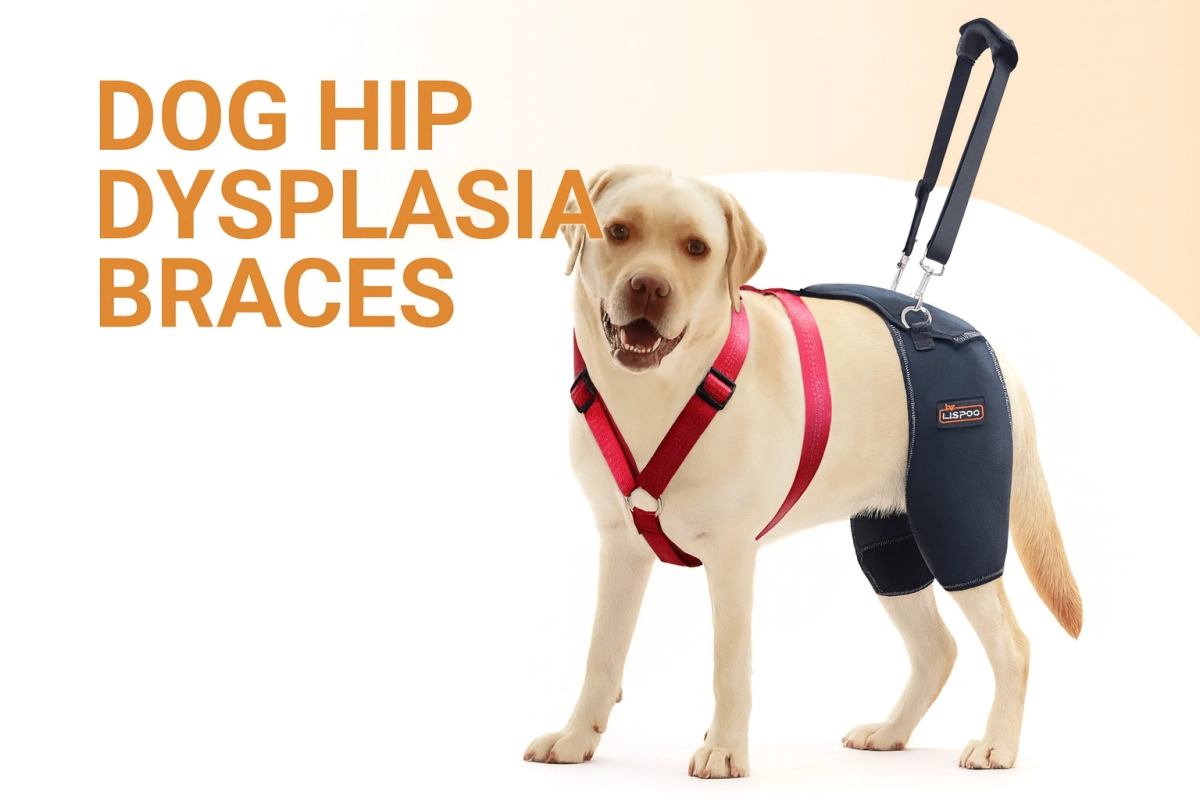
As dogs age, their musculoskeletal system gradually deteriorates, making joint problems one of the most common health concerns in senior dogs. Among these issues, hip joint disorders—especially hip dysplasia—are particularly prevalent and can significantly affect a dog’s mobility, comfort, and overall quality of life. Understanding the causes, progression, and symptom grading of hip joint problems in older dogs is essential for early intervention and effective management.
Understanding Hip Joint Problems in Senior Dogs
The hip joint is a ball-and-socket structure designed to support weight-bearing movement. Over time, wear and tear, genetic predisposition, and degenerative changes can compromise the joint’s stability. In senior dogs, the most frequently diagnosed hip condition is dog hip dysplasia, often accompanied by osteoarthritis.
While hip dysplasia is commonly associated with young, large-breed dogs, many symptoms only become obvious later in life. Aging exacerbates joint laxity, cartilage loss, and inflammation, leading to chronic pain and restricted movement.
Main Causes of Hip Joint Disorders
Hip joint problems in older dogs are typically the result of multiple interacting factors rather than a single cause.
Genetic predisposition plays a major role. Large and giant breeds such as German Shepherds, Labrador Retrievers, and Golden Retrievers are particularly susceptible. However, smaller breeds and mixed dogs can also develop hip dysplasia as they age.
Degenerative aging changes are another key factor. As dogs grow older, cartilage naturally thins, synovial fluid decreases, and joint cushioning weakens. These changes make the hip joint more vulnerable to damage and inflammation.
Obesity and excess weight significantly increase stress on the hips. Senior dogs with reduced activity levels are especially prone to weight gain, which accelerates joint degeneration and worsens symptoms.
Previous injuries or chronic overuse can also contribute. Dogs that were highly active earlier in life may experience cumulative joint stress that manifests as hip pain in their senior years.
Symptom Grading of Hip Joint Problems
To better assess the severity of hip disorders in older dogs, symptoms are often categorized into stages or grades. This grading helps veterinarians and pet owners determine appropriate treatment options.
Grade 1: Mild Symptoms
At this stage, symptoms are subtle and often overlooked. Dogs may show slight stiffness after rest, hesitate before jumping, or walk with a reduced stride length. Pain is usually minimal, and activity levels remain mostly normal.
Early supportive care, including joint supplements and controlled exercise, can be highly effective at this stage. Some owners also begin exploring conservative support options such as Dog Hip Dysplasia Braces to stabilize the joint and reduce strain during movement.
Grade 2: Moderate Symptoms
Moderate hip issues are more noticeable. Dogs may limp intermittently, struggle to rise from lying positions, or avoid stairs. Muscle loss in the hind limbs may begin, indicating reduced use of the affected joint.
At this stage, veterinarians often recommend a combination of weight management, physical therapy, and external support. Dog Leg Braces for Hip Dysplasia can help redistribute weight, improve alignment, and provide additional stability during walking, especially for dogs that are not candidates for surgery.
Grade 3: Severe Symptoms
Severe hip joint problems significantly impact daily life. Dogs may show persistent lameness, reluctance to move, vocal signs of pain, and difficulty standing or walking without assistance. Arthritis and joint inflammation are usually advanced at this stage.
While surgical options may be considered for some dogs, many senior dogs are managed conservatively due to age or underlying health conditions. In such cases, Hip Braces for Dogs with Hip Dysplasia can play an important role by offering external support, improving balance, and helping dogs maintain mobility with less discomfort.
Management and Support Options
Managing hip joint problems in senior dogs focuses on pain relief, joint support, and maintaining mobility. Treatment plans are often individualized based on symptom severity and the dog’s overall health.
Weight control is one of the most effective strategies, as even small reductions in body weight can significantly decrease hip joint stress.
Low-impact exercise, such as swimming or controlled leash walks, helps maintain muscle strength without overloading the joints.
Supportive devices, including orthopedic bedding and mobility aids, can improve comfort at home. In recent years, specialized braces have gained popularity as a non-invasive solution. Properly fitted hip and leg braces help stabilize the joint, reduce abnormal movement, and provide confidence for dogs that struggle with balance.
Importance of Early Recognition
Early recognition of hip joint problems is crucial, especially in aging dogs. Subtle changes in movement, posture, or behavior should not be dismissed as “normal aging.” Prompt evaluation allows for early intervention, which can slow disease progression and improve long-term outcomes.
Using supportive solutions such as Dog Hip Dysplasia Braces early in the disease process may help delay the onset of severe symptoms and preserve mobility for a longer period.
Hip joint problems, particularly hip dysplasia, are a common and often progressive condition in senior dogs. By understanding the underlying causes and recognizing symptom grades early, pet owners can take proactive steps to manage the condition effectively. Through weight management, appropriate exercise, veterinary care, and supportive tools like Dog Leg Braces for Hip Dysplasia and Hip Braces for Dogs with Hip Dysplasia, many older dogs can continue to enjoy an active, comfortable, and fulfilling life well into their senior years.
0 Comments