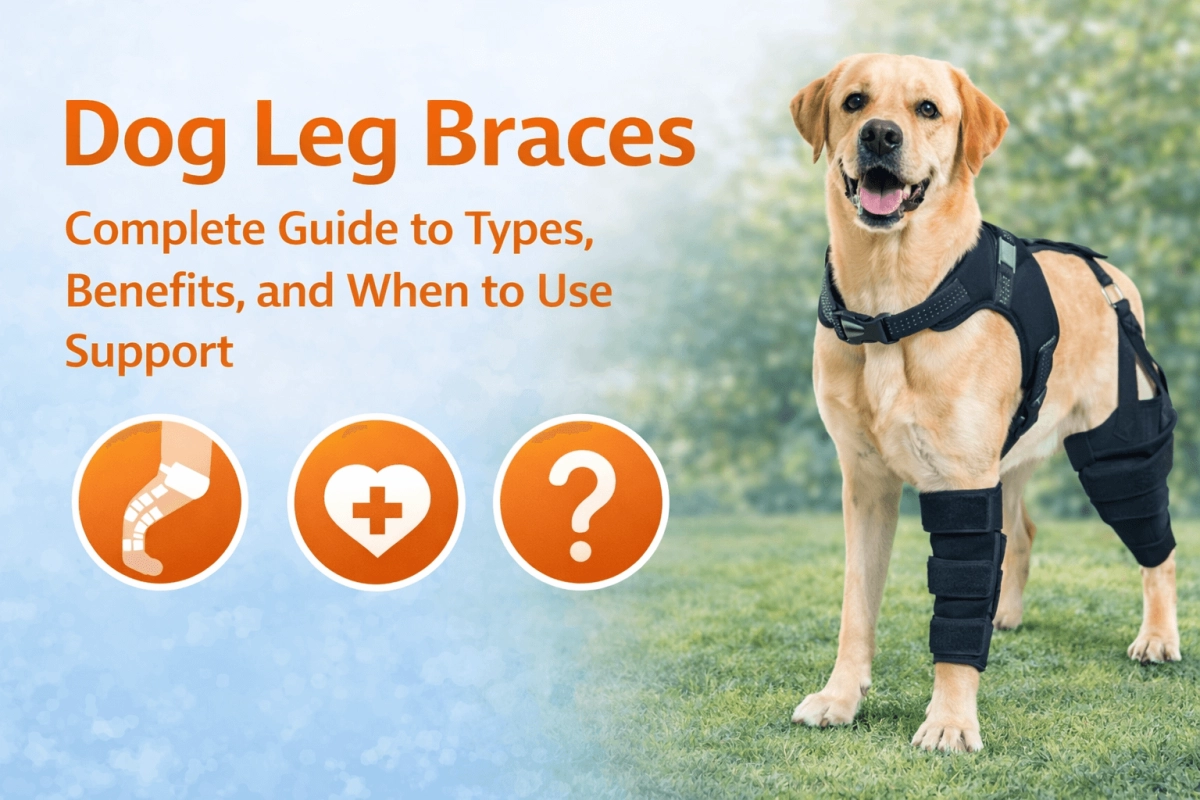
Dog leg braces give support to your dog’s joints. They help your dog feel better when hurt or in pain. You may worry about skin problems or the brace moving. Your dog may not like the brace at first. Many owners see less limping after using a brace. Skin rubbing and needing to adjust the brace are common. Always ask your veterinarian before using any support device. Make sure the brace fits well and check it often. This helps keep your dog safe and comfortable.
Key Takeaways
-
Dog leg braces give important help to sore or weak joints. They help your dog walk better and feel less pain.
-
You should always talk to your veterinarian before using a brace. This makes sure you pick the right kind and size for your dog.
-
Check your dog's comfort and skin often. This helps stop skin problems and makes sure the brace is not too tight.
-
Let your dog get used to the brace slowly. Start with short times wearing it so your dog feels okay.
-
Keeping your dog at a healthy weight helps the brace work better. A good exercise plan also helps your dog heal.
What Are Dog Leg Braces?
Purpose and Function
Dog leg braces help dogs walk better and feel less pain. These devices support joints when they are weak or hurt. They help your dog get better and feel good every day. Sometimes, your dog may limp or walk strangely. A brace can help a lot in these cases.
Here are some ways dog leg braces help your dog move:
-
They help with pain and make moving easier.
-
They help your dog heal from injuries or health problems.
-
They lower swelling, joint pain, and soreness.
-
They make walking and moving more comfortable.
-
They stop weak joints from getting worse.
-
They keep hurt areas steady to stop more injury.
-
They help the body heal and fix tissues.
-
They lower the chance of new injuries, especially for active dogs or those getting better.
You should talk to your veterinarian before picking a brace. This helps you choose the best type and size for your dog.
How Dog Leg Braces Work
You might wonder how these braces help your dog. Braces give outside support to your dog's leg. They stop strange movements and lower stress on hurt parts. This lets your dog use the leg with less pain while muscles get stronger and swelling goes down.
A knee brace gives outside help. It stops strange movement, lowers stress on hurt parts, and lets your dog use the leg with less pain while muscles get stronger and swelling goes down.
Braces keep the tibia and femur steady. This helps stop strange forward movement from a hurt CCL/ACL.
With outside support, a brace lowers joint stress, pain signals, and helps your dog slowly use the leg more and get back to normal activity.
When you know how dog braces work, you see why they help many dogs. Dog leg braces do not fix the problem, but they help your dog heal and stay active.
When to Use Dog Leg Braces
Common Conditions and Injuries
You might wonder when dog leg braces are most helpful. These braces are used for dogs with joint or ligament problems. Some common reasons for using them are:
-
Cruciate ligament injuries (ACL/CCL tears): Braces help stop strange movement and keep the injury steady.
-
Luxating patella (slipped kneecap): Braces hold the kneecap in place and help with pain.
-
Hock and Achilles tendon injuries: Braces give more support and protect healing areas.
-
Elbow and shoulder injuries: Braces help control how the joint moves and spread weight.
-
Arthritis and age-related weakness: Braces give support for dogs with long-term problems.
If your dog has knee pain or trouble walking, you may want to learn about these choices.
Signs Your Dog Needs Support
Watch for signs that your dog needs extra help. Some signs show your dog could use a brace:
-
Limping or using one leg less
-
Not wanting to jump or go up stairs
-
Stiffness or not moving the leg much
-
Swelling or looking uncomfortable
-
Acting different, like playing less or seeming sad
If you see these signs, talk to your veterinarian. Getting help early can really help with knee pain and movement.
Tip: If your dog suddenly limps badly, cries out, or has swelling, call your veterinarian right away.
Veterinary Evaluation
Always talk to your veterinarian before picking a brace. Your vet can help find out what is really wrong. They may tell you to work with a rehab therapist or a certified orthotist. These experts will measure your dog’s leg to make sure the brace fits. Sometimes, your vet will make a cast mold of your dog’s leg. This may need a thin bandage or even sedation. Your vet will help you through each step and help you avoid mistakes.
Remember, dog leg braces do not take the place of a diagnosis. When should you talk to your vet? Always, before starting any support for your dog. Your vet will help you pick the best plan for your dog’s health.
Types of Dog Leg Braces
Dog leg braces come in many forms. You can choose from different types of dog braces based on your dog’s needs. Each type supports a specific joint or injury. Knowing the types of dog leg braces helps you pick the right one for your dog.
Knee (Stifle) Braces
Dog knee braces, also called stifle braces, support the knee joint. You often use these braces for dogs with torn ligaments, like a CCL injury. Dog ccl braces help keep the knee steady and reduce pain. Many owners look for a knee brace for dog support after their pet hurts its knee.
You may see these benefits with dog knee braces:
-
They stabilize the knee and stop it from moving the wrong way.
-
They help your dog walk better and feel less pain.
-
They support healing after surgery or injury.
Studies show that about 63% of dogs treated without surgery, sometimes with dog ccl braces, do well after one year. Around 85% of owners notice their dogs walk better with these braces. The effectiveness of dog knee braces depends on the fit and how you use them. You can find different types of dog knee braces for many needs.
Hock (Ankle) Braces
Hock braces support your dog’s ankle joint. These braces help dogs with weak or injured hocks. You may use them for sprains, arthritis, or after surgery. Dog acl ccl braces are not just for knees; some types of dog braces also help the hock.
Common uses for hock braces include:
-
Hock sprains and strains
-
Arthritis in the ankle
-
Hyperextension injuries
-
Tendon ruptures or tears
-
Weak hock joints
You can use these braces to keep the ankle steady and help your dog move with less pain.
Carpal (Wrist) Braces
Carpal braces support the wrist joint in your dog’s front leg. These types of dog braces help dogs with wrist injuries or carpal hyperextension. Dog braces for the wrist keep the joint steady and stop too much movement.
Here is a table showing the main benefits of carpal braces:
| Benefit |
Description |
|---|---|
| Stabilization |
Keeps weak wrists steady and stops too much movement. |
| Pain Reduction |
Lessens pain by stopping harmful motion. |
| Improved Mobility |
Helps your dog move around more easily. |
| Support During Healing |
Protects the wrist and helps healing after injury. |
| Conservative Management |
Gives support when surgery is not the first choice. |
You can use carpal braces for arthritis, injury, or after surgery. These types of dog braces help your dog stay active and comfortable.
Elbow Braces
Elbow braces support the elbow joint. You may use these types of dog braces for elbow injuries, arthritis, or after surgery. Dog ccl braces for the elbow help control movement and reduce pain.
You can use elbow braces to:
-
Support healing after an injury
-
Reduce swelling and pain
-
Help your dog walk better
Elbow braces are one of the different types of dog braces that help with front leg problems.
Paw and Boot Support
Paw and boot support helps dogs with weak paws or nerve problems. These types of dog braces protect the paw and help your dog walk safely. Dog ccl braces for the paw often come as lightweight boots.
Here is a table showing the main benefits of paw and boot support:
| Benefit |
Description |
|---|---|
| Proprioception stimulation |
Helps your dog know where its paw is for better movement. |
| Lightweight design |
Makes it easier for your dog to lift weak legs. |
| Ground feel |
Lets your dog feel the ground for better balance. |
| Custom fit |
Boots can match your dog’s paw for the best support. |
You can use paw and boot support for dogs with nerve injuries or after surgery.
Custom vs Off-the-Shelf
You can choose between custom fit options and off-the-shelf braces. Custom fit options use your dog’s exact leg shape. These braces give the best fit and support. Off-the-shelf braces adjust to fit many dogs, but may not match your dog’s leg as well.
Here is a table comparing the main features:
| Feature |
Standard Brace |
Hinged Brace |
Custom-Fit Brace |
|---|---|---|---|
| Fit Type |
Adjustable |
Adjustable with hinges |
Tailored to dog's anatomy |
Custom fit options give a snug fit and better support. Off-the-shelf braces work well for many dogs, but custom fit options may help if your dog has a unique leg shape or special needs.
Tip: Always measure your dog’s leg carefully before choosing any types of dog braces. A good fit helps your dog heal and stay comfortable.
You can find many types of dog braces for front and back legs. Dog ccl braces, hock braces, carpal braces, and paw support all help your dog move better. Knowing the types of dog knee braces and other supports helps you make the best choice for your pet.
Benefits of Dog Leg Braces
Dog leg braces help your dog feel better and move easier. These devices are part of a plan to help your dog walk with less pain. Results can be different for each dog, so you should talk to your veterinarian for the best advice.
Joint Stabilization
Dog leg braces make your dog’s legs steadier. They keep joints from moving too much. This is important for dogs with weak or hurt legs. The table below shows the main ways braces help:
| Benefits |
Description |
|---|---|
| Improved Stability |
Braces keep joints steady and help balance. |
| Even Weight Distribution |
Helps your dog stand straighter and healthier. |
| Enhanced Mobility |
Makes it easier for your dog to move with less pain. |
Braces support weak joints and help your dog hurt less. Your dog may limp less and walk with more confidence.
Mobility and Comfort
Dog knee braces and other supports help your dog move better. Studies show that custom braces help dogs walk more evenly. Over time, your dog may stand taller and move with less pain. Better movement means your dog can play and enjoy life again. This helps your dog feel happier and more comfortable.
Recovery Support
You can use braces to help your dog heal after an injury or surgery. Braces protect healing parts and lower the chance of new injuries. They let your dog move safely while getting better. This support can help your dog heal faster and feel less pain. Always follow your vet’s advice for the best care.
Non-Surgical Option
Dog leg braces are a way to help joints without surgery. Some dogs cannot have surgery because of age or health problems. Braces give support and help your dog move better without an operation. Dog ccl braces can lower pain and help dogs who need gentle care.
Note: Braces can rub or bother your dog’s skin if they do not fit right. Some dogs need time to get used to them. Always check your dog’s skin and watch how your dog moves. Braces do not fix the problem, but they help your dog move and feel better.
Choosing and Fitting Dog Leg Braces
Matching Brace to Condition
You want the best support for your dog. Start by matching the brace to your dog’s specific injury or condition. Dog leg braces work well for mild to moderate injuries, chronic joint pain, and recovery after surgery. Always talk to your veterinarian before choosing a brace. Your vet will help you pick the right type and size. The right brace can reduce pain and help your dog move better.
-
Choose a brace that fits the joint needing support, such as knee, hock, or carpal.
-
Look for braces made with strong, breathable materials.
-
Make sure the brace is adjustable for a snug fit.
-
Monitor your dog’s comfort and skin every day.
Tip: The right brace and fit can make a big difference in your dog’s recovery.
Measuring and Fit Tips
Learning how to measure and fit a dog brace is important. Accurate measurement helps you avoid problems like rubbing or slipping. Use a soft measuring tape and keep your dog standing. Never guess or round numbers. Double-check your measurements and compare them with the sizing chart from the manufacturer.
Steps for how to measure and fit a dog brace:
-
Use a soft tape, not a ruler.
-
Measure while your dog stands.
-
Double-check each measurement.
-
Compare with the sizing chart.
-
If unsure, ask customer service for help.
A good fit keeps your dog comfortable and safe. Watch for signs of discomfort and adjust padding if needed.
| Step |
What to Do |
|---|---|
| Use soft tape |
Wrap gently around the leg |
| Measure standing |
Keep your dog upright |
| Double-check |
Confirm numbers are correct |
| Compare chart |
Match to manufacturer’s guide |
Gradual Break-In and Monitoring
Introduce the brace slowly. Start with short sessions, about 15 to 30 minutes each day. Increase the time over one to two weeks. Remove the brace after walks and clean it with a damp cloth. Check your dog’s skin for redness, swelling, or sores every day. Use a soft liner or sock to reduce friction. Make sure the brace fits snug but not too tight.
-
Remove the brace at night unless your vet says otherwise.
-
Schedule regular checkups with your vet, especially in the first few weeks.
-
Use the brace during active times and take it off when your dog rests.
Note: Careful monitoring and a gradual break-in help your dog adjust and stay comfortable.
If you follow these steps for how to measure and fit a dog brace, you give your dog the best chance for comfort and healing. Always work with your veterinarian for diagnosis and follow-up care.
Caring for Dog Leg Braces
Cleaning and Maintenance
You want your dog’s brace to last and stay safe. Clean and maintain the brace every day. After each use, wipe the brace with a damp cloth. This removes dirt and keeps the brace fresh. Once a week, hand wash the brace with mild soap. Scrub gently, rinse well, and let it air dry completely. Never use harsh cleaners or put the brace in a dryer. Remove the brace before your dog swims or takes a bath. Moisture can cause skin problems and damage the brace.
-
Check your dog’s skin twice daily for redness, swelling, or hair loss.
-
Make sure the straps are snug but not too tight. You should fit two fingers between the brace and your dog’s leg.
-
Clean the brace after every walk or play session.
-
Deep clean the brace weekly or every other week.
Tip: Regular cleaning keeps your dog comfortable and helps the brace last longer.
Preventing Rubbing and Slipping
A good fit stops rubbing and slipping. Use a custom-made or adjustable brace for the best fit. If you notice the brace moving or causing red spots, check the fit right away. Ask your veterinarian or a brace specialist to help with fitting. They can adjust the brace to avoid pressure sores and make sure your dog moves well.
-
Look at your dog’s skin every day for signs of chafing or irritation.
-
Schedule regular fit checks with your vet or orthotist.
-
Adjust the brace if your dog seems uncomfortable or if you see any marks.
Note: Early action prevents sores and keeps your dog happy.
Wear Schedule and Monitoring
Start with short wear times. Let your dog wear the brace for 30 minutes at first. Add 15 to 30 minutes each day as your dog gets used to it. Always check the skin after each session. Remove the brace during swimming or bathing. Rotate between two braces if you need to clean one. Replace the brace every 6 to 12 months, depending on how much your dog uses it. Visit your vet every 4 to 6 weeks for follow-up checks.
-
Avoid stairs, jumping, and off-leash running until your vet says it is safe.
-
Watch for redness, swelling, or hair loss at contact points.
-
Keep a simple log of wear times and any changes you notice.
Keeping a routine helps your dog get the most benefit from the brace and stay safe.
Alternatives to Dog Leg Braces
You have more choices than just dog leg braces. Some dogs need extra help after getting hurt or having surgery. You can talk to your veterinarian about other ways to help your dog move.
Surgery
Surgery can fix joint or ligament problems in dogs. Your vet may suggest surgery for a torn ligament or bad arthritis. Surgery works well for active dogs or those with big injuries. After surgery, your dog needs rest and special care. Many dogs wear a brace while healing after surgery. A brace helps protect the joint and gives support. Your vet may recommend a brace for extra stability. Always follow your vet’s advice for care after surgery.
Physical Therapy
Physical therapy helps your dog get stronger and move better. Many dogs do physical therapy after injury or surgery. You can use these methods to help your dog:
-
Hydrotherapy
-
Laser therapy
-
Massage
-
Acupuncture
-
Chiropractic care
Hydrotherapy lets your dog exercise in water. Water supports your dog’s weight and lowers stress on joints. This makes moving easier after surgery or injury. Laser therapy and massage help lower pain and swelling. Acupuncture and chiropractic care can also help with pain and movement.
Other Support Options
You can use many tools to help your dog feel better. Some helpful support options include:
-
Stairs and ramps
-
Slings and harnesses
-
Support wraps
-
Strollers and wheelchairs
-
Non-slip mats
-
Elevated feeding stations
-
Special bedding
Harnesses and slings help you lift your dog safely. Wheelchairs help dogs with weak back legs move around. Non-slip mats and ramps make it easier for your dog to walk at home. You can also try acupuncture, laser therapy, or massage for pain and healing.
Tip: Always talk to your veterinarian before starting any new treatment or support device.
Canine Support: Owner Tips
Weight Management
You help your dog most by keeping their weight healthy. Extra pounds put more stress on joints and slow healing. Ask your veterinarian for your dog’s ideal weight. Feed measured meals and limit treats. Choose foods that support joint health. Weigh your dog every few weeks. If you see weight gain, adjust the food amount. A healthy weight makes every step easier and helps your dog get the most from canine support.
Controlled Exercise
Exercise keeps your dog’s muscles strong and joints flexible. Short, gentle walks work best. Avoid running, jumping, or rough play. Use a leash to control speed and direction. Try walking on soft grass instead of hard pavement. Swimming is a good choice for many dogs. It supports the body and reduces joint strain. Always watch your dog for signs of tiredness or pain. Stop and rest if your dog limps or slows down. Controlled exercise helps your dog stay active and safe.
Monitoring Progress
You play a big role in your dog’s recovery. Check your dog’s brace every day. Make sure it fits snugly and does not slide or cause sores. A good brace covers about half to three-quarters of the leg. Too much support can weaken muscles, but too little may not help the joint. Measure your dog’s leg carefully for the best fit. Watch for changes in walking, mood, or appetite. Keep a simple log of your dog’s activity and comfort. Share updates with your veterinarian. Good monitoring helps you adjust the plan and keeps your canine support on track.
Tip: Small changes in your dog’s movement or mood can signal a problem. Early action keeps your dog comfortable and safe.
-
Make sure the brace fits well and covers the right part of the leg.
-
Check for any redness or swelling under the brace.
-
Adjust the brace if you notice slipping or rubbing.
With careful weight management, controlled exercise, and daily checks, you give your dog the best chance for comfort and recovery with canine support.
You now know about dog leg braces and how they help. Watch your dog every day and talk to your veterinarian often. Regular visits and a special plan help your dog heal and stay active.
| Evidence Description |
Key Findings |
|---|---|
| Vet-approved brace management |
Using braces, keeping a healthy weight, and doing physical therapy help lower pain and make moving easier. |
| Complications associated with orthosis use |
Seeing the veterinarian early means fewer problems in the first three months. This shows regular checkups are important. |
| Recommendations from veterinary specialists |
Working closely with your veterinarian and following a rehab plan gives your dog the best results. |
You help your dog feel better and recover when you stay involved and ask experts for advice.
FAQ
How do I know if my dog needs a leg brace?
You should watch for limping, pain, or trouble walking. If your dog avoids stairs or seems stiff, a brace may help. Always ask your veterinarian before using any support device.
Can my dog wear a brace all day?
You should start with short periods. Let your dog get used to the brace. Most dogs wear braces during activity, not all day. Remove the brace at night unless your vet says otherwise.
How do I clean my dog's leg brace?
You can wipe the brace with a damp cloth after each use. Wash it weekly with mild soap and let it air dry. Do not use harsh cleaners or put it in the dryer.
Will a brace cure my dog's injury?
Dog leg braces do not cure injuries. They give support and help your dog move with less pain. You should follow your veterinarian’s advice for the best results.
What if the brace causes redness or sores?
You should check your dog’s skin every day. If you see redness or sores, remove the brace and call your veterinarian. Adjust the fit or add padding to prevent rubbing.
0 Comments