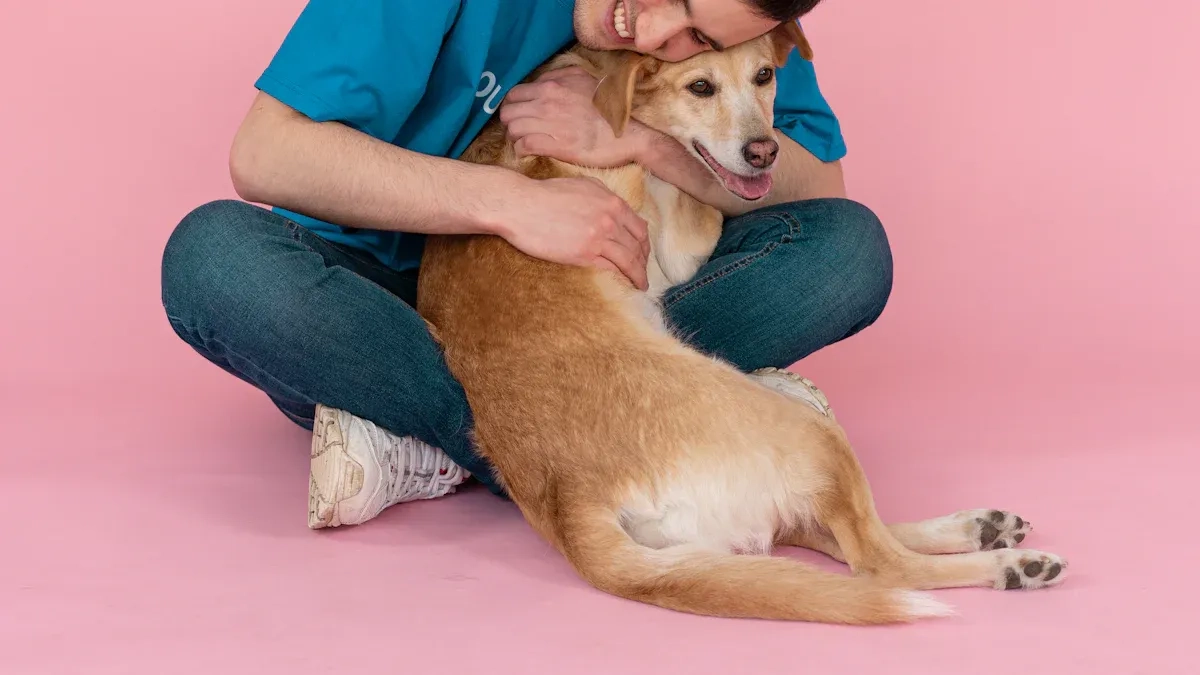
You want your dog to walk easily and stay active. A dog rear leg brace helps when your dog has weak or hurt back legs. Many veterinarians say this brace is good for torn ligaments, joint pain, or after surgery. These braces help lower pain, stop bad movement, and keep healing tissues safe. Always ask your veterinarian before using any new support to make sure it is right for your dog.
Key Takeaways
-
Pick the right brace for your dog's injury and how active they are. This helps give good support.
-
Measure your dog's leg carefully to make sure the brace fits well. Choose materials that let air in and last a long time. This keeps your dog comfortable.
-
Clean the brace often and check it for problems. This stops skin issues and keeps your dog safe.
-
Ask your vet for advice about which brace to use and how it should fit. Your vet can also help watch your dog's health.
-
Let your dog get used to the brace slowly. Start with short times and make them longer as your dog feels better.
Dog Rear Leg Brace Types
To pick the best support for your dog, you need to know about the different kinds of braces. Each kind helps with a special problem and fits certain needs. Here are the main groups.
By Joint Support: Knee, Hock, Multi-Joint
You can pick a dog rear leg brace by looking at which joint or spot needs help. The table below lists common types and what they are good for:
| Brace Type |
Suitable Conditions |
|---|---|
| ACL and CCL injuries, Knee strains or sprains, Arthritis, Hind leg lameness, Postoperative support, Knee immobilization, Luxating Patella, Tendonitis-related pain |
|
| Torn ACL or CCL, Medium support for hock joints, No restriction of movement |
|
| Arthritis, Pain in hips and lower back, Back leg limping, Mild to moderate hip dysplasia, Lower back weakness, Back leg fatigue |
|
| Back pain, Paralysis, Difficulty walking or jumping, Neck stiffness, Intervertebral disc disease (IVDD) |
|
| Stifle (knee) brace |
Stabilization of rear legs, Reduces risk of injury to ACL, CCL, Can be used in place of surgery |
| Tarsus (rear foot) brace |
Protects Achilles tendon, Tarsal, and metatarsal areas post-injury |
You might ask how these braces are not the same. Here is a short chart to compare them:
| Type of Brace |
Design Features |
Intended Use |
|---|---|---|
| Knee Brace |
Supports the knee joint, often adjustable for fit |
Helps with knee injuries, ligament support, or after surgery |
| Hock Brace |
Stabilizes the hock joint, soft or rigid options |
Useful for hock injuries, arthritis, or instability |
| Multi-Joint Brace |
Supports multiple joints, often custom-fitted |
Best for complex injuries involving more than one joint |
By Function: Stabilizing, Range-Limiting, Light Support
You can also choose a dog rear leg brace by what you want it to do. Each kind helps in a different way:
-
Stabilizing braces help dogs with weak or hurt joints. They keep the leg still and help it line up right.
-
Range-limiting braces stop a joint from moving too much. You use these to protect healing parts or stop more harm.
-
Light support braces give a little help. They make balance better and help dogs feel sure, especially if they are weak or healing from surgery.
Tip: Stabilizing and range-limiting braces are good for dogs with nerve problems or after surgery. Light support braces are nice for dogs who just need a bit more help to stay active.
Mobility Accessories
Sometimes, your dog needs more than just a brace. You can use other tools to help your dog every day. Harnesses and slings help dogs stand or walk if they get tired fast. Ramps let your dog go up stairs or get in a car without jumping. Boots help dogs walk on slippery floors. No-Knuckling Training Socks can fix how your dog puts down its paw and walks. Splints and extra knee braces give more help for bad injuries. These things work with a dog rear leg brace to keep your dog safe and comfy when moving.
Note: Big dogs like Rottweilers and Labrador Retrievers often need rear leg help. They can hurt their knees or hocks more easily.
Benefits of Dog Rear Leg Braces
Joint Stability and Injury Support
You want your dog to feel steady on their feet. A adjustable dog rear leg brace helps keep your dog’s joints in the right position. This support can make a big difference if your dog has a knee injury or weak joints. Many veterinarians have seen dogs walk better and avoid surgery when they use a brace. You can see some results in the table below:
| Study/Trial |
Findings |
|---|---|
| 2020 Study in Veterinary Surgery |
Dogs with hinged braces showed significant improvement in limb function, joint stabilization, and many avoided surgery. |
| University of Tennessee Clinical Trial (2018) |
Double braces reduced strain on the non-injured leg and decreased pain indicators. |
| Meta-Analysis (2021) |
Bracing combined with other treatments improved quality of life and reduced pain, especially in small to medium dogs. |
Pain Relief and Comfort
You want your dog to feel less pain. A dog rear leg brace can help by holding the leg steady and stopping odd movements. Here are some ways braces help with pain and comfort:
-
They stabilize the knee and help it heal.
-
They let your dog walk more normally after an injury.
-
They support muscles and joints, which can ease arthritis pain.
-
They help your dog move with less pain, especially after ligament injuries.
-
Many owners notice their dogs stand and walk better with less discomfort.
Tip: Always check your dog’s skin under the brace to keep them comfortable.
Improved Mobility and Confidence
You want your dog to enjoy walks and playtime again. Many dogs walk with more confidence when they wear a brace. For example, Maya, a beagle, went from skipping steps to walking for 20 minutes after using a brace and doing rehab. Jax, a terrier, played more and had fewer knee slips with a soft brace. Studies show that dogs often put more weight on their legs and walk better with a brace.
Rehabilitation and Recovery
You can help your dog heal after surgery or injury with a dog rear leg brace. The brace supports the knee and lets your dog move safely. This support helps your dog stay active while healing. For example, Dondi, a Cane Corso, walked better and felt less pain during recovery with a custom brace. Braces keep the knee in place and encourage healing, which is important for your dog’s quality of life.
Safety and Usage Tips
Gradual Introduction and Monitoring
You want your dog to feel comfortable with a new brace. Start slow and let your dog get used to it. Follow these steps for the best results:
-
Begin with short wear times, about 30–60 minutes, two to five times a day.
-
Add 30–60 minutes each day as your dog gets used to the brace.
-
Keep increasing the time until your dog can wear the brace during normal activities.
-
Take the brace off at night and when your dog is in a crate, unless your veterinarian says otherwise.
-
Check your dog’s skin often, especially during the first three days and then daily for two weeks.
Tip: Watch your dog closely during the first week. Look for any changes in how your dog walks or acts.
Skin Care and Maintenance
Clean the brace often to keep your dog’s skin healthy. Dirt and sweat can build up and cause problems. Use these steps to clean the brace:
-
Soak the brace in water mixed with laundry detergent for five minutes.
-
Lay the brace on a towel and scrub all sides with a washrag.
-
Rinse the brace well under running water to remove all soap and dirt.
-
Let the brace air-dry or use a hairdryer on a cool setting if you need it dry fast.
Note: Clean, dry skin helps prevent sores and irritation.
Signs of Discomfort
Check your dog for signs that the brace may not fit right or is causing problems. Watch for:
-
Muscle stiffness
-
Limping or abnormal leg position
-
Swelling
-
Trouble getting up or sitting down
-
Less activity or play
-
Whining or other sounds of pain
-
Loss of muscle in the leg
If you see any of these signs, remove the dog rear leg brace and call your veterinarian. Skin sores, redness, or your dog refusing to walk can mean the brace needs adjusting.
| Complication Type |
Description |
|---|---|
| Skin Complications |
Abrasions, hair loss, or sores |
| Mechanical Device Issues |
Problems with the brace working |
| Non-Acceptance |
Dog does not want to wear the brace |
Always check the fit and comfort of the brace. Your dog’s safety comes first.
Choosing the Right Dog Rear Leg Brace
Assessing Your Dog’s Needs
You want the best support brace for your dog. Start by looking at your dog’s health and daily life. Think about these important steps:
-
Find out what injury or condition your dog has.
-
Make sure you know if your dog needs help with the knee, hock, or more than one joint.
-
Check your dog’s size, age, and how active they are.
-
Look for any skin problems or joint pain.
-
Decide how much support your dog needs—light, moderate, or strong.
Here is a table to help you remember what to check:
| Factor |
Description |
|---|---|
| Proper Assessment |
Look at your dog’s health and movement before choosing a brace. |
| Current Condition |
Know if your dog has arthritis, injury, or is healing from surgery. |
| Type of Injury |
Some injuries need more support than others. |
| Size and Fit |
Measure your dog to get the right size. |
| Comfort and Material |
Pick a brace that feels good for your dog and does not cause rubbing. |
Tip: Write down your dog’s needs and talk with your veterinarian before you buy a brace.
Measuring for Proper Fit
A good fit keeps your dog safe and comfortable. You need to measure your dog the right way. Follow these steps:
-
Measure the thigh. Wrap a tape around the upper thigh, about one inch below where the leg meets the body.
-
Measure the knee. Find the middle of the knee joint and wrap the tape around it.
-
Measure from the knee to the hock. This tells you how tall the brace should be.
-
Measure the lower leg. Wrap the tape halfway between the hock and the paw.
-
Write down your dog’s weight and breed.
Here are some extra tips:
-
Do not measure when your dog is lying down.
-
Measure each spot twice to make sure you are correct.
-
Take a photo or video to check your dog’s leg shape.
Accurate measurements help you avoid a brace that is too tight or too loose.
Material and Comfort
The material of the brace matters for your dog’s comfort and how long the brace lasts. You can choose from different types:
| `+--Material Type |
Comfort Characteristics |
Durability Characteristics |
|---|---|---|
| Fabric Braces |
Soft, light, and good for daily use |
May wear out faster with heavy use |
| Plastic Braces |
Strong and stable, good for serious injuries |
Lasts longer and works well outdoors |
Other common types include:
-
Custom orthotics: Hard and shaped for your dog’s leg. They fit well and give strong support.
-
Neoprene wraps: Soft and flexible. They work for small injuries and are easy to use.
-
Premade splints: Stiff and ready to use. They help dogs with normal leg shapes and short-term needs.
Choose a material that matches your dog’s needs and daily activities.
Lifestyle and Activity Level
Your dog’s daily routine helps you pick the right brace. Think about these points:
-
Active dogs need strong braces that let them move and play safely.
-
Dogs that rest more do better with lighter braces for gentle support.
-
If your dog spends time outside, pick a brace that can handle dirt and water.
-
For indoor dogs, soft and light braces may work best.
A good match between your dog’s lifestyle and the brace keeps your dog happy and safe.
Veterinary Guidance
You should always talk with your veterinarian before you choose a dog rear leg brace. Your veterinarian will:
-
Help you find the right type and fit for your dog.
-
Make sure the brace gives enough support but does not stop movement too much.
-
Check that the brace covers the right part of the leg.
-
Watch for any problems, like muscle loss or sores.
-
Tell you when to adjust or replace the brace.
Regular check-ups help you keep the brace working well. Your veterinarian can tell you if your dog needs a new brace or a different size as they heal or grow.
Your veterinarian is your best partner for your dog’s health and comfort.
You want your dog to move with ease and comfort. A dog rear leg brace can help by supporting injuries, reducing pain, and making daily walks possible again. Remember these key points:
-
Choose the right brace for your dog’s injury and activity level.
-
Make sure the brace fits well and uses breathable, durable materials.
-
Clean and check the brace often for your dog’s safety.
-
Always ask your veterinarian for advice and proper fitting.
With the right support and guidance, you give your dog the best chance for a happy, active life.
FAQ
How long should my dog wear a rear leg brace each day?
Start with short periods, like 30–60 minutes. Increase the time slowly as your dog gets used to the brace. Always remove the brace at night unless your veterinarian says otherwise.
Can my dog go outside with a rear leg brace?
Yes, your dog can go outside with the brace. Make sure the brace fits well and stays dry. Clean the brace after outdoor walks to keep your dog’s skin healthy.
Will a rear leg brace cure my dog’s injury?
A dog rear leg brace will not cure injuries. It supports healing and helps your dog move better. Always use the brace as part of a care plan from your veterinarian.
How do I know if the brace fits correctly?
Check for snugness without tightness. You should fit one finger under the strap. Watch for redness or sores. If you see discomfort, adjust the brace or talk to your veterinarian.
0 Comments