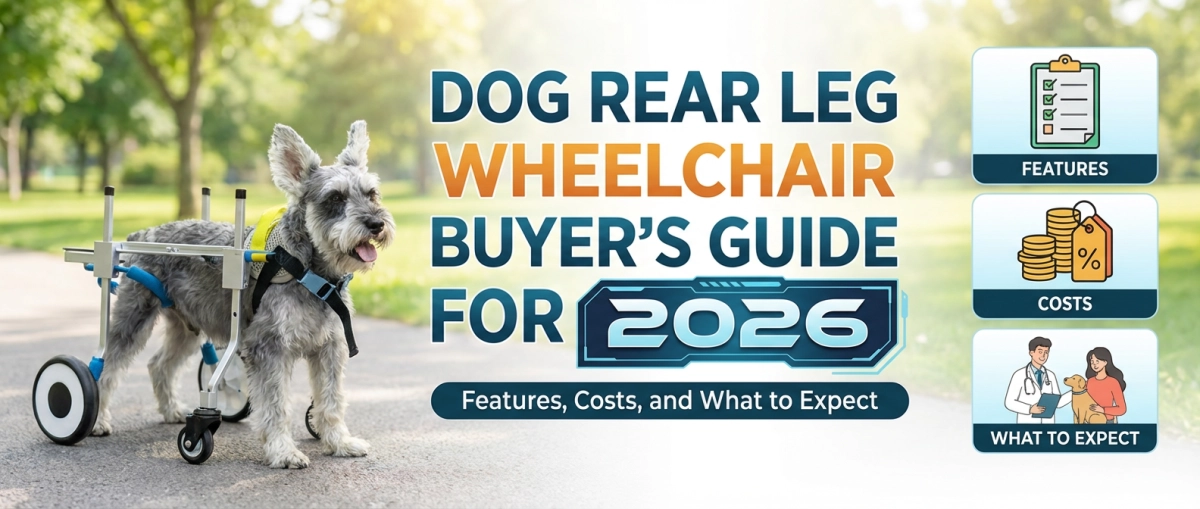
You want the best for your dog when choosing a wheelchair. Look for a wheelchair that fits your pet’s size and supports their condition. Your dog should feel safe and comfortable using the wheelchair for dog every day. Modern designs help your pet enjoy more mobility and keep them active. You can feel proud for helping your dog stay happy and strong with the right dog rear leg wheelchair.
Key Takeaways
-
Measure your dog carefully to make sure the wheelchair fits. This stops your dog from feeling uncomfortable and helps them move better.
-
Pick a wheelchair that you can adjust for comfort and support. You can change it if your dog's needs are different later.
-
Watch your dog when they use the wheelchair, especially in new places. This keeps your dog safe and helps stop accidents.
-
Talk to your veterinarian before you buy a wheelchair. They can give you good advice about what is best for your dog.
-
Clean and check the wheelchair often to keep it working well. This makes your dog feel better and helps the wheelchair last longer.
Choosing a Dog Rear Leg Wheelchair
Fit and Sizing Essentials
You want your dog to feel comfortable and safe in their wheelchair. The right fit is the most important step. Each dog has a unique body shape and size. One size does not fit all. You should measure your pet’s height, length, and width before you buy a wheelchair. Use a soft tape measure to check your dog’s chest, hips, and the distance from the ground to their belly. Write down your dog’s weight, too.
Here is a table to help you see what matters most when you choose a wheelchair for your dog:
| Factor |
Description |
|---|---|
| Size |
Choose a wheelchair that fits your dog's height, length, and width, as one size does not fit all. |
| Weight |
The wheelchair should be lightweight to avoid putting extra strain on your dog's legs. |
| Harness |
An adjustable harness is best for comfort and support, ensuring it fits well without being too tight. |
| Wheels |
Look for wheels that provide shock absorption, smooth rolling, and traction for various terrains. |
A good fit means your dog can stand straight and move without pain. The harness should not rub or pinch. You should always check for red spots on your pet’s skin after using the wheelchair. If your dog has a long body or short legs, look for wheelchairs with more size options.
Adjustability and Comfort
You want your dog to enjoy using their wheelchair every day. Adjustable wheelchairs help you give your pet the best support. You can change the height, length, and width to match your dog’s body. This helps your dog walk, turn, and rest with less effort.
Many wheelchairs have padded harnesses and soft straps. These features keep your dog comfortable and prevent rubbing. You can adjust the harness for a snug but gentle fit. If your dog’s condition changes, you can change the settings on the wheelchair. This makes it easy to keep your pet happy and active.
Adjustable features also help your dog move better. For example:
-
Ramps and steps help your pet get around the house with less joint strain.
-
Orthopedic beds give your dog a soft place to rest after using the wheelchair.
-
Raised food and water dishes make mealtimes easier for your dog.
You should check the fit every few weeks, especially if your dog gains or loses weight. A well-fitted wheelchair for your dog means more comfort and better mobility.
Safety and Supervision
You want your dog to stay safe while using their wheelchair. Always watch your pet when they use the wheelchair, especially at first. Do not let your dog use stairs, steep hills, or slippery floors. These places can cause falls or injuries.
Check the dog harness and straps before each use. Make sure nothing is too tight or too loose. Look for any signs of rubbing or pressure on your dog’s skin. If your dog cannot move their rear legs at all, use the rear leg stirrups to keep their paws off the ground. This prevents dragging and injuries.
Some dogs need more support. If your dog has weak front legs or trouble standing, you may need a full-support cart with four wheels. This type of wheelchair gives extra stability and helps your pet move safely.
Tip: Always talk to your veterinarian before you choose a wheelchair. Your vet can help you decide if a rear-support wheelchair or a full-support cart is best for your dog.
Rear-support wheelchairs give your dog the chance to walk, play, and explore again. With the right fit, comfort, and safety steps, you help your pet enjoy life with more independence and joy.
When Does Your Dog Need a Wheelchair?
Common Mobility Conditions
Many dogs have health problems that make walking hard. You might see your dog struggle to stand or move. Some main reasons for using a dog rear leg wheelchair are:
-
Degenerative Myelopathy: This disease makes the back legs weak and can cause paralysis.
-
Intervertebral Disc Disease (IVDD): A slipped disc can suddenly paralyze a dog, especially small breeds.
-
Hip Dysplasia: Big dogs often get this condition, which causes pain and makes moving tough.
-
Arthritis: Joint pain from arthritis can make it hard for dogs to move every day.
These problems often cause weak back legs or other movement troubles. A wheelchair helps your dog stay active and enjoy life.
Signs Your Dog May Benefit
You know your dog better than anyone else. Watch for changes in how your dog moves or acts. Your dog may need a wheelchair if you see:
-
Dragging or crossing the back legs
-
Stumbling or falling a lot
-
Having trouble standing up or sitting down
-
Not wanting to go for walks or play
-
Getting sores or injuries from dragging legs
If your dog has these signs, a wheelchair can help them move and stop more injuries. Paralyzed dogs often feel happier and more confident with the right support.
Veterinary Guidance
Your veterinarian helps decide if your dog needs a wheelchair. The vet will check how well your dog uses its back legs. If your dog is paralyzed or cannot feel its back legs, a wheelchair gives support and helps with healing. Using a wheelchair early can help your dog get better faster and avoid more injuries.
Many dogs use a wheelchair after back or knee surgery. This helps them walk again sooner. Vets often say to start using a wheelchair when your dog first has trouble walking. This early step keeps your dog healthy and happy, even with movement problems.
Tip: Always ask your veterinarian for advice before picking a wheelchair for your dog.
Key Features of Dog Wheelchairs
Frame and Materials
You want a dog wheelchair that lasts and feels light for your pet. The frame is the backbone of the wheelchair. Most high-quality wheelchairs use aluminum or steel. Aluminum frames give excellent durability and keep the wheelchair lightweight. Steel frames offer extra strength but add more weight. Here is a quick look at how these materials compare:
| Frame Material |
Durability |
Weight |
|---|---|---|
| Aluminum |
Excellent |
Lightweight |
| Steel |
Strong |
Heavier |
A lightweight frame helps your dog move with less effort. You can find wheelchairs with veterinary-backed designs. These models focus on injury prevention and long-term support. Many brands offer several size options, so you can match the wheelchair to your dog’s body. You also get the benefit of customer support and fitting guidance.
Wheel Types and Terrain
Wheels play a big role in how your dog wheelchair handles different surfaces. You want wheels that give good traction and shock absorption. Here are some common wheel types:
-
Air tyres combine comfort and low maintenance. They work well on many terrains.
-
EVA tyres use a durable plastic material. These wheels are lightweight and great for city walks.
-
PU wheels are solid and puncture-proof. They need little care and handle rough ground.
-
EFA wheels are foam-based, light, and reliable for everyday use.
Choose the right wheels for your pet’s favorite activities. If your dog loves outdoor adventures, pick a wheelchair with wheels made for grass, gravel, or trails. For indoor or urban use, lightweight wheels make movement easy.
Harness and Support Systems
The harness and support system keep your dog safe and comfortable in the wheelchair. A good harness gives gentle lifting support. This helps your pet enter the wheelchair without stress. The harness should fit snugly but not too tight. It must support your dog’s natural posture and prevent rubbing.
Many wheelchairs use padded harnesses and adjustable straps. These features protect your dog’s skin and make long walks possible. The right support system helps your dog stand, balance, and walk with confidence. You can adjust the harness as your pet’s needs change. Always check for pressure points after each use.
Tip: Choose a wheelchair with a harness designed for your dog’s size and rear leg needs. This ensures the best comfort and support for your pet’s mobility.
Cost of Dog Rear Leg Wheelchairs
Price Ranges in 2025
You want to know how much a wheelchair for your dog will cost. In 2025, prices for dog wheelchairs can vary. The price depends on the features, size, and level of support. Here is a table to help you compare the main price tiers:
| Price Tier |
Cost Range |
Description |
|---|---|---|
| Entry-Level |
$150 - $300 |
Basic materials, less adjustable, good for small dogs or short-term use. |
| Mid-Range |
$300 - $600 |
Lightweight aluminum, fully adjustable, fits most dogs and needs. |
| Custom/Premium |
$600+ |
Custom fit, high-end materials, best for large or very active dogs. |
Most pet owners choose a mid-range wheelchair. This option gives you a balance of comfort, support, and durability for your dog.
Factors Affecting Cost
Many things can change the price of a dog wheelchair. You should look at these main factors:
| Factor |
Description |
|---|---|
| Size and Weight of the Dog |
Large dogs need more materials and stronger support, which raises the price. |
| Mobility Requirements |
Some dogs need a simple rear support, while others need a full-support wheelchair, which costs more. |
| Material and Build Quality |
High-quality materials like aircraft-grade aluminum last longer but cost more. |
| Customization |
Custom wheelchairs fit your pet perfectly but require more work and money. |
You can choose the right wheelchair for your dog by thinking about these factors. A well-made wheelchair gives your pet better support and lasts longer.
Insurance and Assistance
Paying for a dog rear leg wheelchair can feel hard. You have options for help. Some insurance plans cover wheelchairs for dogs if the need is not from a pre-existing condition. Organizations and charities also offer support. Here is a table with some groups that may help:
| Organization |
Description |
|---|---|
| Handicapped Pets Foundation |
Donates wheelchairs to pet owners who need financial help. |
| Joey’s P.A.W |
Gives funds for dogs who need prosthetics or wheelchairs. |
| VPI |
Covers wheelchair costs unless your dog had the problem before coverage started. |
| Trupanion |
Pays for carts, prosthetics, and orthotics with no extra rider needed. |
| Pet Plan |
Covers equipment for accidents, injuries, or illnesses that happen after you get insurance. |
Tip: Ask your veterinarian or local animal shelter about programs that can help you pay for a wheelchair. You can also check with your pet insurance provider to see what is covered.
A dog rear leg wheelchair can give your pet new mobility and a better life. You have many choices for price, support, and help with costs.
Measuring and Fitting Your Dog
How to Measure Correctly
You want your dog wheelchair to fit perfectly. Accurate measurements help your pet feel comfortable and safe. Most wheelchairs need only a few key measurements. Follow these steps for the best results:
-
Lay your dog on their side. Gently bend one rear leg as if your dog is standing.
-
Measure from the crease where the thigh meets the body down to the toe pads. Do not stretch the leg straight.
-
For small pets under 25 pounds, measure from the back of the front leg to the end of the body.
-
Use a soft tape measure, but make sure it does not sag.
-
Check the online sizing guide for your chosen wheelchair brand to confirm the right frame and wheel size.
Tip: Avoid measuring your dog while standing unless you can fully support the hind end. Incorrect posture or stretched legs can lead to a poor fit.
Incorrect measurements often cause problems with wheelchairs. You may notice your pet struggles to move or feels uncomfortable. Ask a friend or family member to help you measure your dog. This makes the process easier and more accurate.
Fitting Tips and Adjustments
After you receive your dog wheelchair, you need to adjust it for the best fit. Start by checking the harness and frame. Make sure the harness gives gentle support without being too tight. The wheelchair should allow your pet to stand tall and move freely.
Here are some best practices for fitting and adjusting:
-
Check the fit every time you use the wheelchair. The harness and straps should not rub or pinch your dog’s skin.
-
Adjust the height so the knuckle lines up with the center of your dog’s hips. The frame should stay parallel to the ground.
-
Set the length by placing the front harness clips just behind the shoulder blades. Leave enough room for your dog to relieve itself.
-
Adjust the width so the side extenders lightly touch your dog’s shoulders. There should be space on each side of the hips for comfort.
A well-fitted wheelchair gives your pet the support they need for better mobility. You help your dog enjoy daily walks and playtime again. Always check for changes in your pet’s weight or shape and adjust the wheelchair as needed.
Training Your Dog to Use a Wheelchair
Acclimation Steps
You help your dog adjust to a wheelchair by taking small steps. Start with short sessions. Let your pet sniff and explore the wheelchair before you put it on. You introduce the harness gently. Give your dog treats and praise when they show interest or stay calm. Positive reinforcement makes the experience less stressful.
Be patient and give your dog enough time to adjust to the wheelchair. Once they seem comfortable with its presence, begin the training process to make it a positive experience.
Follow this simple plan to help your dog get used to their new rear support:
-
Begin with 10 to 15 minutes per session, two or three times a day.
-
Gradually increase the time over the first two weeks. Aim for up to one hour per session, based on your pet’s endurance.
-
After your dog feels comfortable, use the wheelchair for two to four hours a day, split into several sessions.
-
Highly active dogs may use the wheelchair for up to six hours, but always monitor them closely.
Set up the wheelchair so your dog can feel their feet on the ground. This helps your pet learn to move and balance. Always check the fit and make sure the rear harness gives gentle support. If your dog resists, use high-value treats to motivate them. You want your pet to connect the wheelchair with positive feelings.
Home Rehab Integration
You boost your dog’s progress by adding home rehab exercises. These activities help your pet rebuild muscle strength and improve balance. You encourage your dog to walk, stand, and shift weight while using the wheelchair. This keeps your pet active and supports their independence.
-
Increase stamina with short walks and gentle play.
-
Rebuild muscle strength by practicing sit-to-stand movements.
-
Improve balance and support with controlled leash walks.
-
Minimize muscle loss by keeping your dog upright and mobile.
-
Make it easier for your pet to go outside and use the bathroom.
You help your dog regain mobility and confidence. Home rehab lets your pet bear weight on weak legs and enjoy daily life. You create a routine that fits your dog’s needs and supports their recovery.
Maintenance and Cleaning for Wheelchairs
Keeping your dog wheelchair clean and in good shape helps your pet stay safe and comfortable. You can make a big difference in how long the wheelchair lasts with simple care steps. Regular cleaning also keeps your dog healthy and happy.
Routine Care
You should clean your wheelchair after every outdoor walk. Dirt, mud, and grass can build up on the wheels and frame. Use a damp cloth to wipe down the frame and wheels. For tougher spots, use mild soap and water. Dry all parts before you store the wheelchair. This prevents rust and keeps the frame strong.
Check the harness and straps for hair or dirt. You can remove most harnesses and wash them by hand. Let them air dry before you put them back on your pet. Clean harnesses help your dog avoid skin problems.
Tip: Set a reminder to clean your dog wheelchair at least once a week, even if you only use it indoors.
Checking for Wear
You should check your wheelchair for signs of wear every week. Look at the wheels for cracks or flat spots. Make sure the frame has no bends or loose screws. Check the rear support stirrups if your dog uses them. Worn stirrups can cause dragging or hurt your pet.
Here is a simple checklist:
-
Inspect all straps for fraying or stretching.
-
Test the harness buckles to see if they snap tightly.
-
Spin the wheels to check for smooth movement.
-
Look for rust or chipped paint on the frame.
If you find any problems, fix them right away. A well-maintained wheelchair gives your dog the best support and keeps your pet safe during every walk.
What to Expect After Purchase
Adaptation Timeline
You may wonder how long it takes for your dog to adjust to a new wheelchair. Most dogs adapt to a dog rear leg wheelchair within a few days to a few weeks. You will notice your dog becoming more comfortable and coordinated as you practice together. At first, your pet might feel unsure or move slowly. With gentle encouragement and short, positive sessions, your dog will gain confidence. You should celebrate small victories, like your pet standing or taking a few steps. Each dog learns at their own pace, so patience helps your pet succeed.
You can help your dog by keeping a routine. Practice using the wheelchair at the same times each day. Give your pet praise and treats for progress. If your dog struggles, take a break and try again later. Most dogs show clear improvements in comfort and movement when you use consistent, positive practice. You will see your pet’s mobility and happiness grow as they adjust.
Ongoing Support and Resources
After you bring home a wheelchair for your dog, you do not have to handle everything alone. Many resources can help you and your pet:
-
Support Groups: You can join groups where pet owners share advice and stories about using a wheelchair. These communities help you learn new tips and feel less alone.
-
Educational Resources: You can find guides, checklists, and even live classes. These tools teach you about daily care, cleaning, and treatments for your dog.
-
Moral Support: Support groups also give you emotional help. Caring for a disabled pet can feel hard, but others understand your journey.
Remember, you can always ask your veterinarian for advice or check with your wheelchair provider for extra help. You give your dog the best chance at a happy, active life when you use all the support available.
Your dog will enjoy more freedom and comfort with the right wheelchair and ongoing care. You help your pet stay active and enjoy every day.
You give your dog the best chance at a happy life when you choose the right wheelchair. Start by measuring your dog and comparing options. Many owners see their pet regain strength, confidence, and joy with a dog rear leg wheelchair. Experts note that even early mobility support helps dogs stay active and reduces stress. Always consult your veterinarian for guidance and ongoing care. With the right wheelchair, you help your pet move, play, and enjoy every day.
-
Measure your dog carefully.
-
Compare wheelchair features.
-
Ask your vet for advice.
-
Support your pet with patience and love.
Every step you take brings your dog closer to a brighter, more active future.
FAQ
How long can my dog use a wheelchair each day?
You can let your dog use the wheelchair for short sessions at first. Most dogs do well with 30 minutes to 2 hours daily. Watch for signs of tiredness. Increase time slowly as your dog gets stronger.
Can my dog go to the bathroom while in the wheelchair?
Yes, most dog wheelchairs allow your pet to urinate and defecate without removing the cart. The design leaves enough space for natural movement. Always check the fit to make sure your dog stays clean and comfortable.
Will my dog need help getting into the wheelchair?
Most dogs need your help at first. You can guide your dog gently into the harness and frame. With practice, many dogs learn to enter the wheelchair with little help. Always supervise for safety.
What surfaces work best for dog wheelchairs?
Smooth, flat surfaces work best. Grass, pavement, and indoor floors are safe choices. Avoid stairs, steep hills, or slippery areas. These places can cause accidents or make it hard for your dog to move.
How do I know if the wheelchair fits correctly?
Check for these signs:
-
Your dog stands straight and moves easily.
-
The harness does not rub or pinch.
-
No red spots or sores appear after use.
Tip: Adjust the straps and frame as your dog’s body changes.
0 Comments