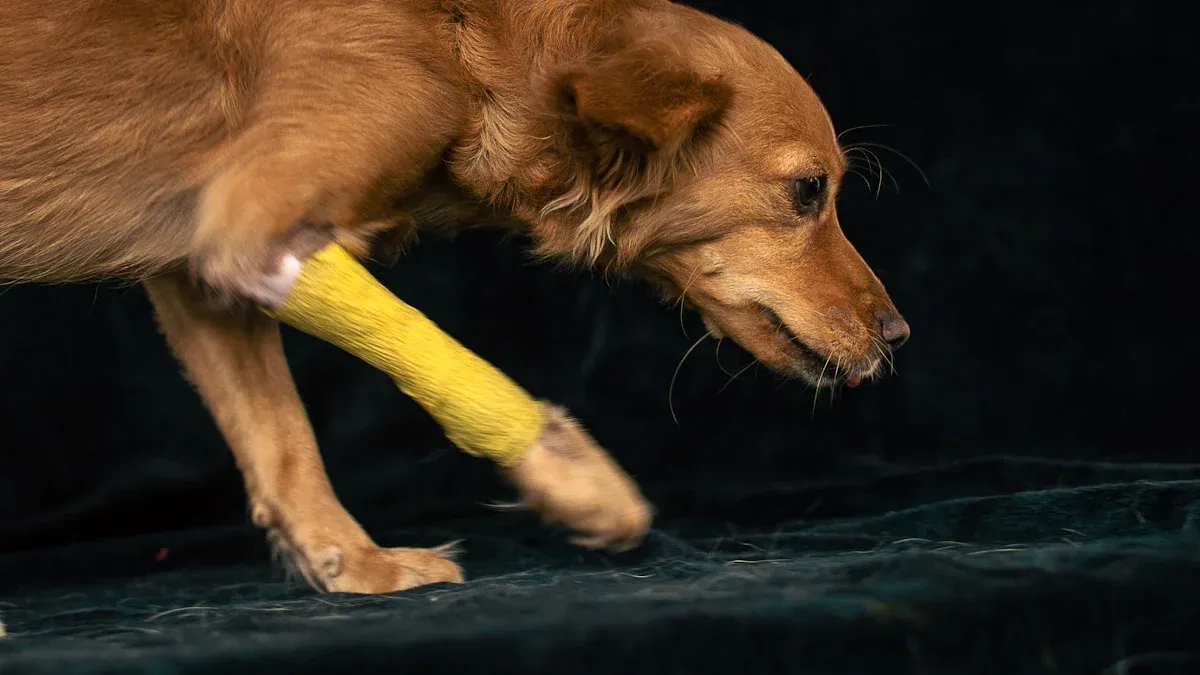
Hock support for dog helps your pet stay active and comfortable when the back ankle joint becomes weak or painful. The hock joint acts like an ankle for your dog and lets the back leg move and support weight. Instability in this area can lead to sudden lameness, swelling, or changes in behavior. You might notice heat in the joint or that your dog hesitates to walk or play. When you see these signs, support can make a big difference in your dog’s comfort and recovery.
Key Takeaways
-
Hock support helps dogs with joint problems feel better and move more. It can lower pain and help dogs walk easier.
-
Signs of hock instability are limping, swelling, and not wanting to walk. Finding these signs early can help your dog heal faster.
-
Hock braces give strong support for bad injuries. Compression wraps give gentle help for small problems. Pick what your dog needs most.
-
Always talk to your veterinarian before using hock support. They can tell you the best kind and make sure it fits your dog.
-
Check your dog's skin and the support often. Taking good care of it can stop more injury and help your dog get better.
What Is the Hock Joint?
Anatomy of the Hock
You might think of your dog's hock joint brace for pain relief as the "ankle" of the back leg. This joint connects the shin bones, called the tibia and fibula, to the paw bones, including the talus and calcaneus. Four main ligaments support the hock joint on both the inside and outside. These ligaments help keep the joint steady during movement. When your dog runs or jumps, the hock joint absorbs shock and helps push the body forward. Because this joint handles a lot of force, it can get hurt during rough play or accidents.
Tip: If you notice swelling or tenderness around your dog's hock, check with your veterinarian. Early care can prevent bigger problems.
Why Stability Matters
The hock joint plays a key role in your dog's ability to walk, run, and stand. When this joint stays stable, your dog can move smoothly and bear weight without pain. Instability in the hock joint can cause limping, muscle loss, or even make your dog avoid using the leg. You may see your dog shift weight to the other side or have trouble getting up. Over time, unstable joints can lead to more pain and changes in how your dog moves.
-
Signs of hock instability include:
-
Lameness or limping
-
Swelling or heat in the joint
-
Unusual movement or shifting of the leg
-
Reluctance to walk or play
-
Stability in the hock joint means your dog can enjoy daily activities with less risk of injury. Keeping this joint healthy supports your dog's overall comfort and quality of life.
Signs and Causes of Hock Instability
Common Symptoms
You may notice several signs if your dog has hock instability. Your dog might limp or avoid putting weight on a back leg. Swelling or heat around the hock joint often appears. Some dogs show a dropped stance or wobble when they walk. You might see your dog hesitate on stairs or slip on smooth floors. These changes can happen suddenly or develop over time. If your dog seems less active or avoids play, you should check for these symptoms. Early attention can help prevent further injury.
Note: Always watch for changes in your dog's movement or behavior. Quick action can make recovery easier.
Typical Injuries and Conditions
Many things can cause hock instability in dogs. Some problems happen suddenly, while others develop as your dog ages. Here are the main causes:
-
Hock dislocation often results from trauma, such as being hit by a car. This type of injury can tear ligaments or break bones.
-
A sprained hock may occur if your dog gets its paw stuck during play or a walk. This injury strains the ligaments and leads to lameness.
-
Canine Osteochondritis Dissecans (OCD) affects the cartilage in the hock joint. Young, large breed dogs face a higher risk for this condition.
-
Osteoarthritis of the hock joint is common in older dogs. Over time, the cartilage wears down, causing pain and instability.
You should know that some breeds have a higher risk of hock problems. Dogs with long legs or those who play rough may face more injuries. If your dog has a history of joint issues, regular checkups can help catch problems early.
Types of Hock Support for Dog
Picking the right hock support braces for dog helps your pet move with less pain. There are different choices, and each one helps in a special way. Knowing how they are different helps you pick the best one for your dog.
Hock Braces and Splints
Hock braces and splints give strong help to the back leg. These tools keep the hock joint steady. You use them when your dog has bad instability, like after an injury or surgery. Dog leg braces help with things like Achilles tendon injuries, hock dislocation, and arthritis. They keep the joint straight and stop bad movement. This helps your dog heal and keeps new injuries away.
Braces can be custom or off-the-shelf. Custom braces fit your dog’s leg shape but cost more money. Off-the-shelf braces are easier to buy and not as expensive. Both types use hard plastic and soft padding for comfort and strength. A good brace fits well and does not slip or rub.
Tip: Always check if the brace fits right. Secure the middle strap first and leave space for two fingers between the brace and your dog’s groin.
Compression Wraps
Compression wraps give gentle help and warmth to the hock. You use these wraps for mild instability or to help with arthritis. They help your dog feel the joint and may lower swelling. Compression wraps do not control movement as much as braces, but they help during short walks or after healing. Many people use them for older dogs who need a little help.
Dog leg braces and compression wraps both help, but wraps are best for mild problems. They use soft, airy fabric that keeps your dog comfy. You can put them on and take them off fast, so they are easy to use.
Therapeutic Solutions
Therapeutic solutions are more than just tools. You can use hock support for dog with rehab exercises, weight control, and pain care. These plans help your dog get stronger and better at balancing. Your vet may suggest leash walks, balance games, or water therapy. Soft beds and floors that are not slippery also help protect your dog’s hock joint.
Pain and swelling control is important. Your vet may give medicine or tell you to change activities. These steps help your dog heal and stay active.
Comparing Hock Braces, Compression Wraps, and Therapeutic Solutions
| Feature/Benefit |
Hock Braces |
Compression Wraps |
Therapeutic Solutions |
|---|---|---|---|
| Joint Stabilization |
Maintains proper joint alignment |
No |
No |
| Pain Relief |
Increases blood circulation, reduces pain |
No |
No |
| Prevention of Compensatory Injuries |
Supports both legs to maintain strength balance |
No |
No |
| Enhanced Healing Environment |
Limits harmful movement while allowing beneficial motion |
No |
No |
Practical Selection Factors
When you pick hock support for dog, think about these things:
| Selection Factor |
Description |
|---|---|
| Specific Conditions Treated |
Braces help with things like Achilles tendon injuries, hock dislocation, and arthritis. |
| Importance of Proper Fit |
Makes the joint stable and stops more injury. |
| Custom vs. Off-the-Shelf |
Custom braces fit better but cost more; off-the-shelf are cheaper. |
A good fit is very important. It keeps your dog safe and comfy. The materials matter too. Look for airy fabric and soft padding to protect your dog’s skin.
Safety Essentials for Pet Owners
Note: Always follow these safety tips when using dog leg braces or wraps:
Make sure the brace fits well. Secure the middle strap first and check for two fingers of space.
Take off the brace when your dog sleeps to stop blood flow problems.
Check your dog’s skin every day for red spots or sores.
Watch for limping or signs your dog hurts. Change the brace if needed.
Ask your vet for advice before you start any new support.
Cost Considerations
Prices for hock support for dog are different. Hock braces with paw parts start at $745. The price changes with size and how hard it is to make. Some shelters and sanctuaries pay less. Custom braces cost more than off-the-shelf, but they may fit better.
Picking the right hock support for dog helps your pet move safely and heal faster. Always talk to your vet to find the best choice for your dog.
How Hock Supports Work
Stabilization and Motion Control
When your dog has trouble with the hock joint, you want to keep the joint steady and safe. Hock supports, such as braces and dog splints, help your dog move with less pain and more confidence. These supports work in several important ways:
-
Hock braces stop the joint from bending too far backward. This prevents hyperextension and keeps your dog's leg in a healthy position.
-
Dog splints hold the hock in place. They make it easier for your dog to walk and help the joint heal after an injury or surgery.
-
By keeping the joint steady, these supports lower the risk of more strain or damage.
-
Some dog splints fit the natural angle of the hock. This design helps scar tissue form and supports both sides of the joint, so your dog can move without extra stress.
You will notice better mobility when your dog uses the right support. Your pet can walk, stand, and even play with more ease. Dog splints are often needed after ligament injuries or surgery to keep the hock stable during recovery.
Tip: Always check with your vet before using a new support. The right fit and type of support make a big difference in your dog's mobility and comfort.
Comfort and Materials
Comfort matters when you choose a hock support. The right materials help your dog wear the brace or splint for longer periods without skin problems. Here are some common materials and their benefits:
| Material Type |
Benefits |
|---|---|
| Breathable Fabrics |
Wicks away moisture and keeps your dog's skin dry and healthy. |
| Neoprene |
Stays strong and flexible, giving comfort and durability. |
| Premium Polyester Blends |
Balances strength and softness for daily use. |
Dog splints made with these materials protect your dog's skin and help prevent rubbing or sores. Breathable fabrics keep the area cool, while neoprene and polyester blends add support without making the brace too stiff. When your dog feels comfortable, you will see better mobility and a happier pet.
Benefits of Hock Support
Pain Relief and Mobility
You want your dog to move with comfort and confidence. Hock supports can help your dog walk, run, and play with less pain. These supports stabilize the joint and reduce abnormal movement. When you use a brace or wrap, you help your dog bear weight more evenly. This reduces stress on the injured area and lowers pain.
Many pet owners see real changes in their dogs. For example, Maya, a 9-year-old beagle with a chronic ligament injury, used a brace and rehab plan. After six weeks, she walked for 20 minutes without skipping and needed less pain medication. Jax, a small terrier with a slipping kneecap, wore a soft brace. He played more and had fewer episodes of his knee slipping out of place. These stories show how hock supports can improve daily life for your dog.
Veterinary studies also show that braces and wraps can help dogs put more weight on the injured leg. Dogs often walk better and show less limping when they wear the right support. You may notice your dog feels more confident on walks and enjoys activities again.
Tip: Always watch your dog’s movement. If you see more energy and less limping, your support is working.
How Hock Supports Compare to Other Treatments
| Treatment Option |
Invasiveness |
Cost |
Immediate Relief |
Best For |
|---|---|---|---|---|
| Hock Supports |
Non-invasive |
Under $500 |
Yes |
Older dogs, mild-moderate instability |
| Surgery |
Invasive |
High |
After recovery |
Severe instability |
| Medication Only |
Non-invasive |
Varies |
Sometimes |
Short-term pain relief |
Hock supports gives a non-invasive way to help your dog. They work well with other treatments like medication and physical therapy. Many older dogs or those with other health problems benefit from this gentle approach.
Recovery and Prevention
Hock supports do more than help with pain. They also protect your dog from further injury. When you use a brace, you keep the joint in the right position. This stops the hock from bending too far and prevents new injuries. You can even use a brace on the healthy leg to protect it if your dog puts extra weight there.
Here are ways hock supports help with recovery and prevention:
-
They keep the joint aligned and limit harmful movement.
-
They provide gentle compression, which boosts blood flow and reduces swelling.
-
They help your dog keep muscle strength and joint health during healing.
-
They lower the risk of injury in the opposite leg by balancing movement.
You create a safe space for healing when you use the right support. Your dog can stay active and build strength without risking more damage. Hock supports also help prevent arthritis and other long-term problems by keeping the joint stable.
Note: Use hock supports as part of a full recovery plan. Combine them with rehab exercises, weight control, and advice from your veterinarian for the best results.
You give your dog the best chance for a happy, active life when you choose the right support and use it correctly.
When to Use a Hock Splint
Vet Guidance and Safety
You should always talk to your veterinarian before using a hock splint for your dog. A vet can check your dog’s leg and decide if a splint is the right choice. Sometimes, a vet may suggest surgery for severe injuries, which can involve pins or wires. For less serious cases, your vet might recommend medication, gentle therapies, or orthopedic bracing.
A hock splint works best for injuries below the knee, like simple or greenstick fractures, or for young dogs with softer bones. Vets do not recommend splints for complex fractures or injuries that need more rigid support. Sometimes, a splint helps while you wait for surgery or during the first weeks of healing.
Note: Using a splint without a vet’s help can cause problems. If you pick the wrong type or size, your dog could heal the wrong way. Risks include bones not joining, stiff joints, or muscle loss. Many dogs also get skin sores or soft tissue injuries if the splint does not fit well.
Choosing the Right Support
You want your dog to heal safely and stay comfortable. Picking the right support starts with careful measurements. You should measure above and below the hock joint and check the height of your dog’s leg. A good fit keeps the splint in place and helps your dog move better.
Look for these features when choosing a support:
-
Breathable materials that keep your dog’s skin dry and healthy
-
Adjustable straps for a snug, custom fit
-
A design that supports the joint but still lets your dog walk
Here is a quick guide to help you select the right hock splint:
| Feature |
Why It Matters |
|---|---|
| Proper measurements |
Ensures a secure and safe fit |
| Breathable fabric |
Reduces risk of skin irritation |
| Adjustable straps |
Allows for comfort and easy changes |
| Supportive design |
Promotes healing and natural movement |
If you follow these steps and work with your vet, you give your dog the best chance for a strong recovery.
Hock brace supports help your dog move with less pain and protect the joint from further injury. You give your pet the best chance for long-term stability and comfort when you use these tools as part of a recovery plan. Always ask your veterinarian for advice and check the fit often. Daily care and proper use make a big difference.
| .What Matters Most |
Why It Helps |
|---|---|
| Owner Compliance |
Daily wear and checks lead to better results. |
| Professional Guidance |
Ensures the right support and fit. |
With the right support, you help your dog enjoy a happier, more active life. ��
FAQ
How do I know if my dog needs hock support?
You see limping, swelling, or a dropped stance in your dog’s back leg. Your dog may avoid stairs or slip on smooth floors. Ask your veterinarian for advice if you notice these signs.
Can my dog wear a hock brace all day?
You should let your dog wear the brace during activity. Remove it at night or when your dog rests. Check your dog’s skin often for redness or sores.
What is the difference between a hock brace and a compression wrap?
A dog hock brace gives strong support and controls movement. A compression wrap offers gentle support and warmth. Use a brace for serious injuries. Use a wrap for mild instability or arthritis.
How do I measure my dog for a hock support?
Measure above and below the hock joint. Check the length of your dog’s leg. Follow the product’s sizing guide for the best fit.
Should I talk to my vet before buying hock support?
Yes. Your veterinarian helps you choose the right type and size. You get better results and keep your dog safe.
0 Comments