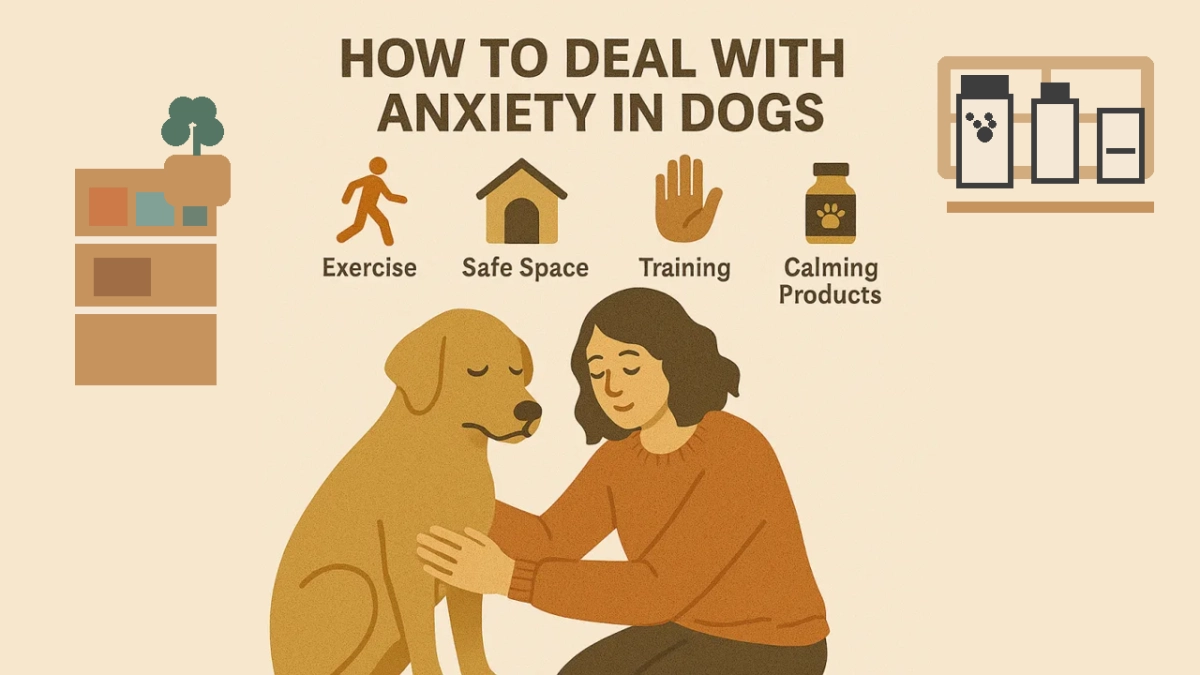
Anxiety in dogs is more common than many pet parents realize. From barking non-stop when you leave home to shaking during thunderstorms, anxious behavior can show up in lots of different ways. The good news? With patience, structure, and the right tools—including smart use of dog braces and dog harnesses—you can help your dog feel safer and more relaxed.
1. Understanding Anxiety in Dogs
Before you can help your dog, it’s important to understand why they’re anxious.
Common Causes of Dog Anxiety
-
Separation – Your dog becomes distressed when left alone.
-
Noise sensitivity – Thunder, fireworks, vacuum cleaners, or loud vehicles.
-
New environments – Moving to a new home, staying in a kennel, traveling.
-
Past trauma – Rescue dogs or dogs with a rough history may be more nervous.
-
Pain or physical discomfort – Joint problems, injuries, or chronic conditions can raise stress levels.
Typical Signs of Anxiety
Your dog may be anxious if you notice:
-
Excessive barking or whining
-
Pacing, trembling, or hiding
-
Destructive chewing or scratching
-
Panting and drooling when there’s no heat or exercise
-
Attempts to escape or clingy “shadow” behavior
-
Changes in appetite or bathroom habits
If symptoms are severe or sudden, always speak with a veterinarian to rule out medical issues.
2. Start with a Calm, Predictable Environment
Dogs feel safer when life is somewhat predictable.
-
Create a “safe zone” – A quiet corner with a bed, blanket, and favorite toys.
-
Use background noise – Soft music or TV can mask outside sounds that trigger anxiety.
-
Stick to routines – Consistent feeding, walking, and play times build confidence.
A calm home sets the foundation for your dog to respond better to training and to any supportive gear, like harnesses or braces.
3. Training and Mental Stimulation
Positive Reinforcement
Reward calm, relaxed behavior with treats, praise, or gentle petting. Avoid punishing anxious behavior—it usually makes the fear worse.
Gradual Exposure
If your dog fears something specific (like the car or the doorbell), introduce it in tiny, controlled steps:
-
Start at a level where the dog notices but doesn’t panic.
-
Reward calm behavior.
-
Slowly increase the intensity over multiple sessions.
Mental Enrichment
Boredom can amplify anxiety. Try:
-
Puzzle feeders
-
Scent games (hide treats and let your dog sniff them out)
-
Short training sessions teaching simple tricks
A mentally occupied dog often has less energy to pour into anxiety.
4. How Dog Harnesses Can Support Anxious Dogs
Dog harnesses are usually thought of as walking tools, but they can also play a role in managing anxiety.
Better Control During Stressful Situations
In crowded, noisy, or unpredictable environments, an anxious dog may try to bolt. A well-fitted dog harness:
-
Distributes pressure across the chest and shoulders rather than the neck
-
Gives you better control without choking
-
Helps prevent slipping out of a collar if the dog panics and pulls backward
This extra control helps you stay calmer, which your dog will pick up on.
Comfort and Security
Some dogs feel more secure when they wear gear that fits snugly, similar to how a weighted blanket can feel grounding for humans. While not all harnesses are designed as anxiety wraps, a comfortable, snug harness can:
-
Make your dog feel “held” and supported
-
Help nervous dogs feel more stable on walks
-
Reduce stress about leash pressure on the neck
When choosing a harness for an anxious dog, look for:
-
Soft padding to avoid irritation
-
Adjustable straps for a close but not tight fit
-
A design that doesn’t rub armpits or restrict movement
Building Positive Associations
If your dog gets anxious about going outside, pair the harness with good experiences:
-
Put the harness on and offer treats or a favorite toy
-
Keep early walks short, calm, and fun
-
Never put the harness on only when something scary (like the vet) is about to happen
Over time, the harness can signal “good things are coming” instead of “something scary is next.”
5. The Role of Dog Braces in Reducing Anxiety
Dog braces are usually used to support joints—like knees, wrists, hocks, or backs—but they can indirectly help with anxiety too.
Pain and Anxiety Are Connected
A dog that’s in pain or unstable on their legs is far more likely to feel anxious. They may:
-
Avoid running, jumping, or stairs
-
React nervously when other dogs approach
-
Become more easily startled or grumpy
In these cases, a properly fitted dog brace can:
-
Stabilize the affected joint
-
Reduce pain and strain
-
Help the dog move more confidently
When your dog can walk more comfortably, they often feel more secure, which can lower overall anxiety.
When a Dog Brace May Help
Consider asking your vet about a dog brace if your dog has:
-
Diagnosed joint issues (like cruciate ligament injury or arthritis)
-
Difficulty standing up or walking
-
A history of injury or surgery requiring extra support
Important: Always consult a veterinarian or certified rehab professional before using a brace. An incorrect brace or poor fit can cause more harm than good.
6. Combining Dog Braces and Dog Harnesses in a Support Plan
For some dogs, especially older or mobility-impaired ones, using both a dog harness and a dog brace creates a powerful support system.
Example: Senior Dog with Joint Pain and Anxiety
-
A rear or knee brace supports weak joints, making movement less painful.
-
A support harness with a handle lets you help your dog up stairs, into the car, or over obstacles.
-
Because moving is easier and safer, the dog is less afraid of walks or new environments.
This combination can:
-
Reduce the dog’s fear of slipping or falling
-
Allow gentler, more controlled exercise
-
Build confidence over time, which naturally lowers anxiety
7. Other Helpful Strategies
Dog harnesses and braces work best as part of a larger plan.
Exercise at the Right Level
-
Regular, moderate exercise helps burn off nervous energy.
-
For dogs with braces or joint issues, gentle walks and controlled play are usually better than intense running or jumping (follow your vet’s advice).
Calming Tools
Depending on your dog, you might also consider:
-
Calming chews or supplements (with veterinary approval)
-
Pheromone diffusers or collars
-
Thundershirts or specialized calming wraps
Professional Help
If anxiety is intense—causing self-harm, severe destruction, or constant panic—talk to:
-
Your veterinarian (for health checks and possible medication)
-
A certified dog trainer or behaviorist who specializes in fear and anxiety
These professionals can help build a custom plan that may include training, medication, and supportive gear like braces and harnesses.
8. Tips for Introducing New Gear to an Anxious Dog
Whether it’s a dog brace or a new harness, introduce it slowly and kindly.
-
Let your dog sniff it first – Place it on the floor with treats nearby.
-
Short sessions – Put the harness or brace on for just a few minutes at first.
-
Pair with rewards – Always offer praise, petting, or treats while the gear is on.
-
Watch body language – If your dog freezes, tucks their tail, or tries to escape, back up a step and go slower.
The goal is for your dog to see these items as helpful and positive, not scary.
9. Patience Is Everything
Helping an anxious dog is a journey, not a quick fix. With:
-
A calm, structured environment
-
Positive training and mental enrichment
-
Proper use of dog harnesses for control and comfort
-
Strategic use of dog braces to relieve pain and support movement
-
And, when needed, professional guidance
You can gradually transform your dog’s world from scary and unpredictable to safe and manageable. Your dog doesn’t need you to be perfect—just consistent, gentle, and willing to try the tools available to make life easier for them.
0 Comments