When your dog hurts their CCL, you may see them limp. They might also have trouble standing up. The ligament helps keep your dog's knee steady. If it tears, your dog can lose balance and feel pain. You want your dog to walk, run, and play again. A canine leg brace for acl tear can help your dog. It supports the joint and helps with pain. Many dogs need a brace after surgery. Some dogs use a brace when surgery is not possible. You might use a brace if your dog is older. Dogs with other health problems may also need a brace. Some dogs need extra protection while they heal.
Here are some main goals of using a brace:
| Goal of Canine Leg Brace |
Description |
|---|---|
| Improve Limb Use |
Custom stifle orthoses help dogs use their leg better after an ACL tear. |
| Provide Comfort |
Braces are made to help dogs feel better when they move. |
| Stabilize Joint |
Braces help keep the joint steady and stop it from moving the wrong way. |
| Allow Safer Mobility |
Braces help dogs move more safely while they heal or if they need help for a long time. |
| Delay Surgery |
Sometimes, braces can help dogs wait longer before needing surgery. |
You want your dog to feel safe and hurt less. With the right care, you can help your dog heal and stay active.
Key Takeaways
-
A canine leg brace helps your dog heal from CCL injuries. It gives support and lowers pain. - Measuring your dog the right way is very important. Measure the thigh, knee, and leg length carefully. - Pick a custom or off-the-shelf brace for your dog. Custom braces fit better but cost more. - Check the brace fit often and look at your dog's skin. This keeps your dog comfortable and stops skin problems. - Ask your vet for help with picking and adjusting the brace. This helps your dog heal well.
Why Use a Canine Leg Brace for ACL Tear
Goals of Bracing for Dog Knee Pain
You want your dog to feel better and move with less pain. When your dog has an acl injury, you might notice swelling, limping, or trouble getting up. A brace can help with dog knee pain by giving support right where your dog needs it most. You may see your dog walk with more confidence and even play again. Braces help reduce pain and swelling, which means your dog can enjoy daily life.
Many veterinarians say braces work well for dog knee pain, especially if your dog cannot have surgery. Braces keep the knee steady and stop it from moving in ways that hurt. Custom braces fit your dog’s leg and prevent harmful twists. You can help your dog do the things they love, like chasing a ball or going for walks.
Here are some main benefits of using a brace for dog knee pain:
-
Reduces pain and swelling
-
Increases your dog’s confidence to walk or play
-
Provides stability for dogs that cannot have surgery
-
Offers support that matches your dog’s leg shape
-
Lets your dog enjoy favorite activities again
Veterinarians have seen dogs improve after using a brace. Studies show that dogs with acl injuries who wear braces often walk better and put more weight on their leg.
When Your Dog Needs a Brace
You might wonder when your dog should wear a brace for acl injuries. If your dog is older or has health problems, surgery may not be safe. A brace can help your dog stay active and manage dog knee pain. Some dogs use a brace before surgery or during recovery. Others need a brace for long-term support, especially if they have arthritis.
Veterinarians often suggest a brace when:
-
Surgery is not needed right away
-
Your dog is a senior or has other health issues
-
You want a non-surgical option
-
Your dog is healing after surgery
-
Your dog cannot have surgery
A brace can slow down arthritis and keep your dog comfortable. You give your dog a better chance to heal and enjoy life, even with acl problems.
Tip: Watch your dog for signs of pain or trouble walking. If you see these signs, talk to your vet about a brace for dog knee pain.
| Study |
Findings |
|---|---|
| Rosen et al. (2022) |
Dogs with custom braces showed better weight-bearing and function over 12 months. |
| Carr (2016) |
Dogs using braces had improved walking and balance after 90 days. |
| Muršec et al. (2025) |
Dogs showed better gait and weight use after 32 days with a brace. |
Measuring for a Canine Leg Brace
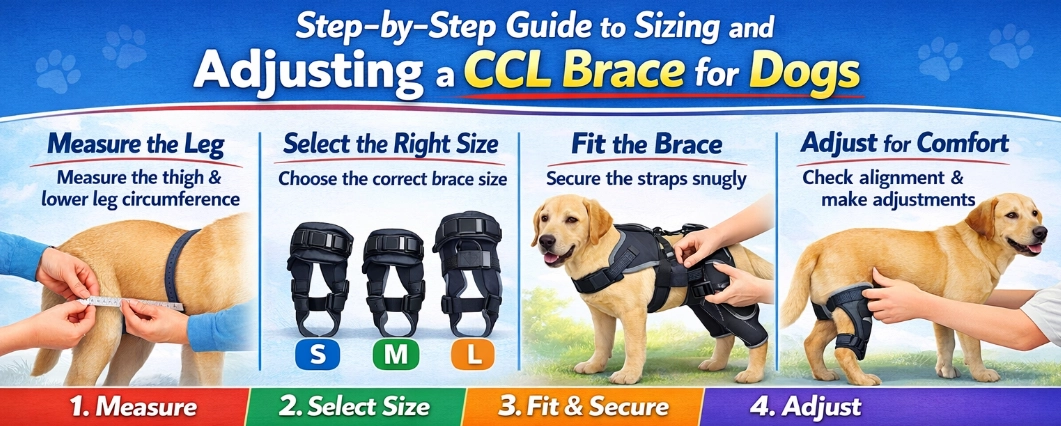
Getting the right fit for a dog leg brace starts with careful measuring. You want your dog to feel comfortable and get the best support for their knee. If you measure the wrong spot or guess the size, the brace might slip or pinch. Let’s walk through what you need to do.
Essential Measurements for Dog Knee Braces
You need to measure a few key spots on your dog’s leg. Grab a soft measuring tape and ask a friend to help if your dog wiggles. Here’s what you should measure:
-
Thigh Circumference: Wrap the tape around the top part of your dog’s thigh, about one inch below where the leg meets the body. This helps you pick the right dog leg brace size.
-
Knee Circumference: Find the middle of your dog’s knee joint. Wrap the tape around this spot. This tells you how snug the brace will be.
-
Hock to Knee Length: Measure from the center of the knee down to the hock joint (the ankle area). This shows how tall the dog leg brace should be.
-
Lower Leg Circumference: Measure halfway between the hock and the paw. This helps the bottom strap fit well.
-
Dog’s Weight and Breed: Write down your dog’s weight and breed. Some braces use this info to make sure the knee gets the right support.
Tip: Always measure both legs. Sometimes, one leg is bigger than the other, especially if your dog has been limping.
Step-by-Step Sizing Guide
You want to make sure you get the right size for your dog leg brace. Follow these steps for the best results:
-
Have your dog stand up straight. If your dog can’t stand, gently stretch the leg out while they lie down.
-
Use a soft tape measure. Don’t pull too tight or leave it too loose.
-
Write down each number. Double-check your measurements.
-
Compare your numbers to the size chart below. Most brands use a chart like this to help you pick the right dog leg brace.
Here’s an example of what a size chart looks like:
Table 1: General Canine Knee Brace Size Chart (Example)
| Size Designation |
Leg Circumference (in/cm) |
Leg Length (in/cm) |
Weight Range (lbs/kg) |
|---|---|---|---|
| Small |
6-8 in / 15-20 cm |
8-10 in / 20-25 cm |
10-25 lbs / 4-11 kg |
| Medium |
8-10 in / 20-25 cm |
10-12 in / 25-30 cm |
25-50 lbs / 11-23 kg |
| Large |
10-12 in / 25-30 cm |
12-14 in / 30-36 cm |
50-80 lbs / 23-36 kg |
| X-Large |
12-14 in / 30-36 cm |
14-16 in / 36-41 cm |
80-120 lbs / 36-54 kg |
Check the chart for your dog’s numbers. If your dog is between sizes, choose the larger one for comfort. A dog leg brace that is too small can squeeze the knee and cause pain.
Note: Some brands may ask for extra measurements, like the distance between the legs if you need a double knee brace.
Breed and Size Considerations
Every dog is unique. There are over 360 breeds, and each one has a different shape and size. You need to think about your dog’s breed when picking a dog leg brace. Some braces work better for certain breeds.
-
Small breeds, like Dachshunds, often need a special dog leg brace. Their legs are short, and their knees sit close to the body. Many small dogs do better with a full-leg hock brace. This type covers more of the leg and gives better support for the knee.
-
Medium and large breeds need a dog leg brace that is strong and flexible. These dogs move more and put more weight on their knees. The brace should focus on knee stabilization and use tough materials.
-
Some wraps, like neoprene sleeves, don’t fit every dog. They may not work for very small or very large breeds. You want a dog leg brace that matches your dog’s shape and activity level.
If you have a mixed breed, look at your dog’s build and weight. Always check the size chart and ask your vet if you’re not sure. The right dog leg brace will help your dog walk, run, and play again.
Callout: If your dog has a unique shape or is between sizes, ask your vet or the brace company for help. A good fit means better knee support and faster healing.
Choosing the Right Dog Knee Brace
Custom vs. Off-the-Shelf Braces
You want the best support for your dog’s knee. You have two main choices: custom or off-the-shelf braces. Each type has its own strengths. Let’s look at how they compare:
| Type of Brace |
Cost Range |
Fit |
Availability |
|---|---|---|---|
| Off-the-shelf |
$30 – $500 |
Good, but not perfect |
In stores or online |
| Custom |
$1,000 – $1,800 |
Exact fit for your dog |
Needs vet involvement |
Custom dog knee braces are made just for your dog. They use molds or special measurements. This means the brace fits your dog’s leg shape and gives the best support. Off-the-shelf braces come in different sizes. You can buy them quickly, but they may not fit every dog perfectly.
Tip: If your dog has a unique leg shape or needs long-term support, a custom brace might work better.
Here’s a quick list to help you decide:
-
Custom braces match your dog’s leg exactly.
-
Off-the-shelf braces are easy to get and cost less.
-
Custom braces need a vet to measure or make a mold.
-
Off-the-shelf braces can help right away.
Matching Brace Type to Your Dog’s Needs
Every dog is different. You want to pick a brace that fits your dog’s injury and lifestyle. Here’s how you can choose:
-
Look at your dog’s injury. Does your dog need support for one knee or both?
-
Think about your dog’s energy. Active dogs need strong, hinged braces. Older or calm dogs do well with lighter braces.
-
Make sure the brace can adjust. This helps your dog stay comfortable.
-
Ask your vet for advice. They know what works best for your dog.
A high-energy dog needs a tough brace for running and play. A senior dog may need a soft, light brace for gentle walks. Matching the brace to your dog’s daily life helps your dog heal and feel good.
Note: The right brace can make a big difference in your dog’s comfort and recovery.
How to Fit and Put On a Dog Knee Brace
Fitting Routine for Different Dogs
You want your dog to feel comfortable and safe during the fitting process. Every dog reacts differently when you try to put on a brace. Some dogs stand still and let you work. Others get nervous or squirmy. You can use a step-by-step fitting routine to help both types.
Step-by-Step Fitting Routine:
-
Place your dog in a calm, quiet spot. Make sure you have treats nearby.
-
Gently hold your dog’s leg. Slide the brace over the paw and up to the knee.
-
Align the brace with the knee joint. The center of the brace should match the knee’s natural bend.
-
Fasten the straps one at a time. Start at the bottom and move upward. Check that each strap has even tension.
-
Let your dog stand up. Watch how the brace sits on the leg. Adjust the straps if needed.
-
Give your dog a treat and lots of praise.
If your dog feels nervous, keep the session short. Use a calm voice and move slowly. Quick placement helps lower stress for anxious dogs. Celebrate every small success with treats and kind words. If your dog is cooperative, you can move through the steps faster. Always check the fit before letting your dog walk around.
You should put the brace on in the morning and remove it at night. This keeps your dog safe while they sleep. Daily use helps your dog get used to the brace and supports the treatment plan. Your vet may suggest follow-up visits to check the fit and make adjustments.
Tip: Practice walking on different surfaces. This helps your dog learn to move with the brace and builds confidence.
Signs of a Proper Fit
You want a perfect brace fit for your dog. A properly fitting brace makes a big difference in comfort and healing. Here’s what to look for:
-
The brace stays in place. It does not slip down or twist around the leg.
-
Your dog walks with ease. You do not see limping, pain, or stiff movement.
-
The straps feel snug but not tight. You can slide a finger under each strap.
-
The brace lines up with the knee joint. The hinge matches the natural bend.
-
Your dog’s skin looks healthy. There are no red spots, sores, or hair loss.
-
You notice better stability when your dog stands or moves.
A perfect brace fit means your dog can move, play, and rest without problems. You should check the fit every day, especially during the first weeks of treatment. If you see any changes in your dog’s movement or skin, adjust the straps or talk to your vet.
Callout: A perfect brace fit supports your dog’s recovery and helps the treatment work better. This is why dog braces for Torn ACL are a valuable tool in recovery.
Common Fitting Mistakes
Many owners make simple mistakes when fitting and using a dog leg brace. You can avoid these problems by knowing what to watch for.
Most Common Mistakes:
-
Choosing the wrong size. A brace that is too tight can cut off blood flow. A loose brace will not support the knee.
-
Using a generic brace that does not match your dog’s shape. This can cause rubbing, chafing, or pressure sores.
-
Skipping professional fitting. Without help from your vet, you might miss signs of a poor fit.
-
Not checking the skin. Over half of dogs get skin problems if the brace does not fit right.
-
Ignoring device malfunctions. If the brace does not work as it should, your dog may refuse to wear it.
Table: Ideal Fit vs. Poor Fit
| Feature |
Ideal Fit (Perfect Brace Fit) |
Poor Fit |
|---|---|---|
| Alignment |
Matches knee’s natural axis |
Twists or sits off-center |
| Strap Tension |
Even, light pressure |
Too tight or too loose |
| Comfort |
No pain, easy movement |
Limping, irritation, refusal |
| Skin Condition |
Healthy, no redness |
Red spots, sores, hair loss |
| Stability |
Improved, steady movement |
Wobbly, brace slips or rotates |
You can prevent most problems by following the step-by-step fitting routine and checking the fit daily. Always ask your vet for help if you see any issues. A perfect brace fit gives your dog the best chance for a smooth treatment and happy life.
Note: Regular follow-up appointments help you keep the fit perfect and adjust the treatment as your dog heals.
Adjusting the Brace for Recovery
Adjustment During Healing Phases
Your dog’s journey with a brace changes as recovery moves forward. In the first days after a torn acl or surgery, swelling can make the brace feel tight. You should start with short wear times, maybe 20 to 30 minutes, and slowly increase each day. Watch your dog’s movement and comfort. If you see limping or your dog avoids walking, check the fit. Sometimes, you need to loosen the straps or realign the brace to give better support.
As your dog’s muscles change during recovery, you may notice the brace feels different. Adjust the straps to keep the brace snug but not tight. Always make sure the brace lines up with the knee. For long-term use, regular cleaning and checking for worn parts help keep the brace working well. Your dog needs steady support, so inspect the brace often.
Tip: If your dog starts licking the leg or seems anxious, take a break and try again later.
Monitoring Skin and Comfort
You want your dog to stay comfortable while healing from a torn acl or other injury. Check the skin under the brace every day. Look for redness, swelling, or open sores. If you see any irritation, remove the brace and let your dog rest. Clean the brace with mild soap and let it air dry. Always follow the manufacturer’s cleaning instructions.
Here’s a quick checklist for daily skin and comfort checks:
-
Look for blisters, hair loss, or hot spots.
-
Make sure the brace does not slip or twist.
-
Watch your dog’s gait and weight-bearing.
-
Adjust the straps if you see rubbing or discomfort.
Callout: If your dog shows intense pain or cannot bear weight, stop using the brace and call your vet.
When to Re-Adjust or Seek Help
Sometimes, you need to re-adjust the brace or get professional help. If your dog refuses to use the leg, or you notice swelling, heat, or fever, contact your vet. Listen for popping or clicking sounds from the knee. These signs mean your dog may need extra support or a new brace fitting.
Check the brace before each use. Make sure all straps and hinges work well. If the brace feels loose or causes chafing, adjust it right away. Your dog’s recovery depends on good support and comfort. Regular checks help you catch problems early and keep your dog moving.
| When to Seek Help |
What to Do |
|---|---|
| Sudden pain or swelling |
Call your vet |
| Open sores or blisters |
Remove brace, seek advice |
| Brace feels loose |
Re-adjust straps |
| Unusual sounds from knee |
Get professional check |
Note: Your dog’s recovery works best when you follow the manufacturer’s guidelines and your vet’s advice.
You want your dog to move easily and feel less pain. Getting the right fit for a canine leg brace helps a lot. Careful adjustments make a big difference for your dog. Studies show a good brace helps your dog walk better. Your dog can rest well and enjoy playtime more. Here are some important points:
| Function and Benefits |
Outcomes |
|---|---|
| Relieving dog knee pain |
Your dog moves better and feels more comfortable |
| Support a torn acl |
Healing goes faster and smoother |
| Owner care and vet help |
Your dog has fewer knee problems |
Your vet will help you at every step. Bracing, rehab, and daily checks work best together. This gives your dog the best chance to get better. Stay hopeful and cheer for every small win as your dog heals!
FAQ
How do you know if your dog needs a canine leg brace for acl tear?
You might see your dog limp or avoid putting weight on one leg. If your vet talks about treatment options for torn acl, a canine leg brace for acl tear can help your dog walk and play with less pain.
What are the key features and sizing for dog knee braces?
Dog knee braces come in different sizes and styles. You want a brace that matches your dog’s leg shape and weight. Key features and sizing include adjustable straps, soft padding, and a snug fit. Always check the size chart before you buy.
Can you use dog knee braces for both surgical and non-surgical recovery?
Yes! Dog knee braces work for dogs after surgery and for those who cannot have surgery. You help your dog heal, move safely, and feel better. Braces support the joint and give your dog more comfort during recovery.
How do you choose the right brace type for your dog?
Choosing the right brace type depends on your dog’s size, activity level, and injury. You should talk to your vet about choosing the right dog leg brace. Some dogs need custom braces, while others do well with off-the-shelf options.
How often should you check the fit of your dog’s brace?
You should check your dog’s brace every day. Look for slipping, redness, or discomfort. Adjust the straps if needed. A good fit helps your dog move better and keeps the brace working well.
0 Comments