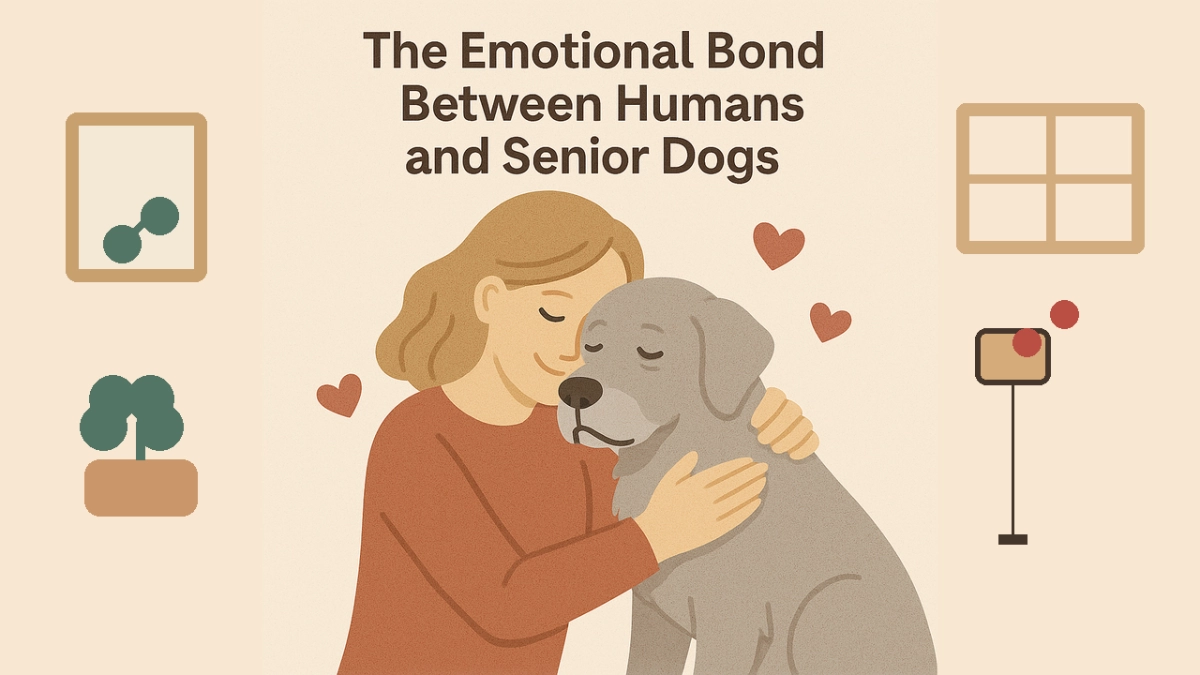
The bond between humans and their dogs is always special—but there is something uniquely deep and tender about the connection we share with a senior dog. By the time a dog’s muzzle has turned gray and their steps have slowed, they are no longer "just a pet". They’re a witness to your life, a keeper of your secrets and a quiet presence that has seen you through years of change.
This article explores why the emotional bond with senior dogs feels so intense, how aging changes both your dog and your relationship, and how you can continue to love and support them through their later years.
1. Why the Bond Feels Stronger as Dogs Grow Older
When you first bring a dog home, the relationship is full of energy, learning, and discovery. You’re teaching sit, stay and don’t-chew-that. Over time, though, the connection shifts from training and novelty to something far more profound.
Years of Shared History
A senior dog has lived through chapters of your life with you:
-
Different homes, jobs, or cities
-
Breakups and new relationships
-
Stressful weeks and lazy Sundays
-
Illness, recovery, celebrations, and quiet nights
They’ve been there for moments you may not even remember clearly, but your body remembers the comfort of their presence. This long history accumulates into a powerful emotional attachment. You’re not just attached to a dog—you’re attached to your dog, with all the memories that come with them.
Deep Understanding Without Words
By the time a dog becomes old, you know them almost instinctively:
-
You can tell from one look if something is wrong.
-
You recognize the meaning of a small tail wag, a certain sigh or the way they lean against you.
-
They seem to sense your mood and respond without being asked.
This mutual understanding feels almost like its own language. Senior dogs often don’t need many commands; they move through the day on shared habits and subtle cues. That quiet harmony is a huge part of why the bond feels so special.
Dependence and Responsibility
As dogs age, they depend more on their humans. Perhaps they:
-
Can’t see or hear as well
-
Need help getting onto the couch or into the car
-
Require medication or special diets
Caring for them in this vulnerable stage deepens your sense of responsibility and tenderness. You become not only their companion, but their advocate, nurse, and protector. That protective love can feel very similar to caring for a child or an elderly relative.
2. How Aging Changes Your Senior Dog and Your Relationship
Watching a dog grow older is bittersweet. The changes may be gradual or suddenly noticeable, but they almost always affect how you relate to each other.
Physical Changes
Common signs of aging in dogs include:
-
Gray or white fur around the face
-
Stiff joints, slower movements, difficulty jumping
-
Reduced stamina and shorter walks
-
Changes in appetite or weight
-
Changes in sleep patterns
These physical shifts often mean you have to adjust your lifestyle together. Maybe the long hikes become gentle strolls. Maybe rough play turns into gentle cuddles on a supportive bed. The activities change, but the bond can deepen as you adapt to what your dog now needs.
Emotional and Behavioral Changes
Senior dogs may also:
-
Become more anxious or clingy
-
Startle more easily due to hearing or vision loss
-
Sleep more during the day
-
Seem “confused” or disoriented at times if cognitive decline sets in
These changes can be hard to watch, especially if your dog was once bold, energetic, or independent. You may feel sadness, frustration or helplessness—and that’s completely normal. At the same time, many people find they grow even more attached during this stage, because the dog’s trust and reliance become so visible.
Your Own Emotional Journey
Your experience also changes as your dog ages:
-
You may become more protective and cautious.
-
You may feel a constant, quiet worry in the background.
-
You might find yourself cherishing ordinary days more than before.
Living with a senior dog is a constant reminder that time is limited. That awareness can hurt, but it can also make each shared moment feel more precious and meaningful.
3. Nurturing the Bond With Your Senior Dog
The most beautiful part of having a senior dog is that, even as their body slows down, your ability to make their life rich and happy is still huge. Small, intentional actions can make a big difference.
Adjusting Activities, Not Affection
Your dog may not be able to race after a ball, but they can still enjoy:
-
Slow, sniff-filled walks where they can explore scents at their own pace
-
Gentle games like finding treats hidden in easy spots
-
Short, frequent play sessions instead of long, exhausting ones
Think of it less as "doing less" and more as "doing differently". You’re still spending time together—you’re just choosing activities that match their abilities.
Creating Comfort and Security
Senior dogs thrive when they feel safe and comfortable. You can support them by:
-
Providing a soft, supportive bed that’s easy to get in and out of
-
Using rugs to help them avoid slipping on hard floors
-
Keeping food and water in easy-to-reach locations
-
Maintaining a calm, predictable routine
For many aging dogs, mobility support is just as important as comfort. Depending on your dog’s specific condition, you can also consider:
-
Dog braces – Orthopedic braces for the knees, hocks, or wrists can help stabilize weak or arthritic joints and reduce pain during movement. They’re not a cure, but when properly fitted under a vet’s guidance, they can make walking less stressful and give your dog more confidence on short walks or around the house.
-
Dog Lift harnesses – A well-designed support or lift harness allows you to gently help your dog stand up, climb stairs, or get into the car without putting excessive strain on their back or joints. This is especially helpful for dogs with hip dysplasia, spinal issues, or general hind-leg weakness.
-
Dog wheelchairs (carts) – For dogs with very limited use of their back legs, a correctly fitted wheelchair can restore a surprising amount of freedom. Many senior dogs still enjoy short walks, exploring the yard, or accompanying the family, even if their rear legs can no longer fully support them. The cart carries part of their weight, allowing them to move without dragging or falling.
Whenever you use braces, harnesses, or a wheelchair, it’s important to:
-
Work with your veterinarian (and if possible, a rehab or physio specialist) to choose the right type and size
-
Introduce the equipment slowly with lots of praise and treats, so your dog feels safe rather than stressed
-
Monitor for any signs of discomfort, rubbing or skin irritation and adjust or remove the device if needed
These tools don’t just help your senior dog "get around" — they protect their dignity and independence. Being able to stand, walk and explore with a little assistance lets them stay involved in family life, which is deeply beneficial for their emotional well-being as well as their physical health.
Communicating in New Ways
If your dog is losing vision or hearing, the way you communicate will naturally evolve:
-
Use gentle touch and consistent hand signals.
-
Approach slowly so you don’t startle them.
-
Keep furniture placement steady to help them navigate.
You may be surprised by how adaptable dogs can be. Many senior dogs rely more on smell and touch and they can still enjoy life deeply as long as they feel loved and guided.
0 Comments