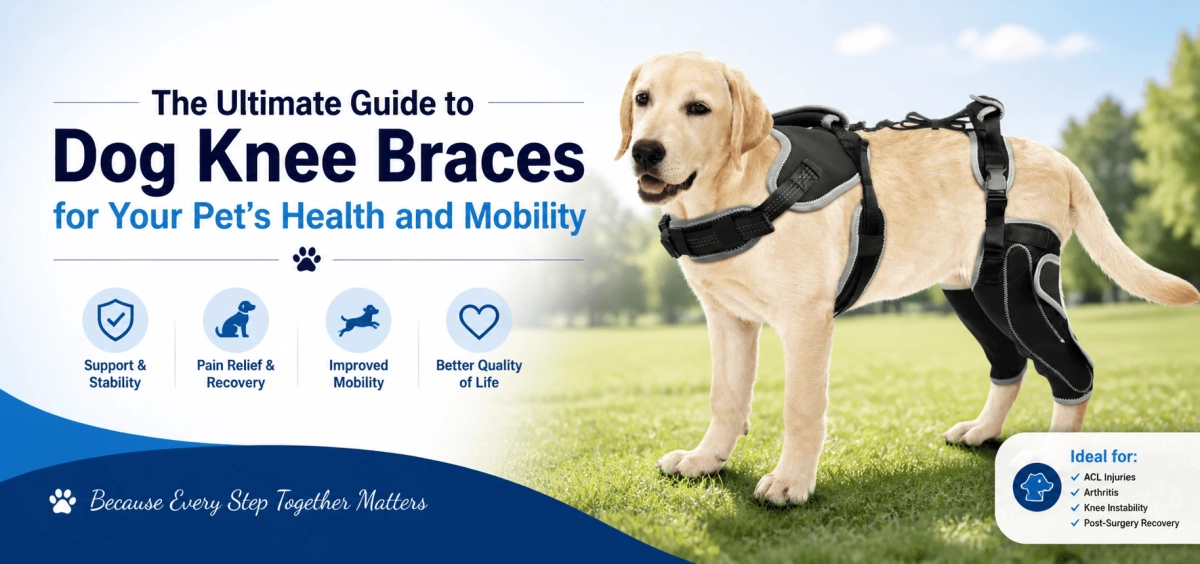
A dog knee brace can really help your pet’s health and movement. Many dogs with braces have little or no limping. This is almost the same as what happens after surgery. Before you choose, think about your dog's injury, age, and daily activity. Braces can help, but they are not perfect. For the best results, always ask your veterinarian about your dog's needs.
Key Takeaways
-
Dog knee braces can help your dog move better and feel less pain. They are helpful for injuries like CCL tears or arthritis.
-
Always talk to your veterinarian before picking a brace. This makes sure the brace is right for your dog's needs and health.
-
Check your dog's comfort and how the brace fits often. This helps stop skin problems and keeps the brace working well.
-
Let your dog wear the brace for short times at first. Slowly make the time longer so your dog gets used to it.
-
Use both bracing and physical therapy for recovery. This helps your dog heal better and faster.
Can a Dog Knee Brace Help?
When Bracing Is Appropriate
You might wonder if a dog knee brace can really make a difference for your pet. Many studies say yes. Take a look at this table to see what experts have found:
| Study/Source |
Findings |
|---|---|
| University of Louisville |
Knee braces can reduce lameness and give pain relief, like surgery does. |
| Veterinary colleges |
88% of dogs with braces had little or no limping, just like after surgery. |
| Rosen et al. (2022) |
Dogs with custom braces put more weight on their injured leg. |
| Carr (2016) |
Braces helped dogs spread their weight better after 90 days. |
| Muršec et al. (2025) |
Dogs walked more evenly after 32 days of brace use. |
You may want to use a brace if your dog has:
-
A torn CCL or ACL
-
A luxating patella
-
A ligament sprain
-
A meniscus tear
-
Needs help after surgery
"Bracing can stabilize the joint, reduce inflammation, and allow the tissue to heal, especially in partial tears," says Dr. Lisa Freeman, DVM.
Most owners feel happy with the results. In fact, 85% say bracing works well for their dogs. Braces often help dogs who cannot have surgery because of age, health, or cost.
Limitations and Risks
Braces do not work for every dog or every injury. Some dogs need time to get used to wearing them. You may notice your dog walks funny at first. That is normal.
Here are some things to watch out for:
-
Skin rubbing or sores if the brace does not fit right
-
Pressure spots if you do not check the brace often
-
Dogs may chew or try to remove the brace
You should always check the fit and watch for any red spots. If you see problems, talk to your vet. Good follow-up and small adjustments can help your dog stay safe and comfortable.
Dog Knee Injuries and Conditions
CCL Tears and Ligament Injuries
You might notice your dog limping after a run or a jump. This could mean a cruciate ligament (CCL) injury. These injuries happen a lot in dogs. Over 600,000 dogs in the U.S. have surgery for CCL tears every year. Some breeds, like Rottweilers, Labradors, and Mastiffs, get these injuries more often. Older dogs and spayed females also have a higher risk.
Here’s a quick look at which dogs face the most risk:
| Breed/Age Group |
Risk Factors for CCL Tears |
|---|---|
| Spayed Female Dogs |
Increased risk of CCL rupture |
| Large Breed Dogs |
Higher incidence of CCL injuries |
| Middle-aged Dogs (4-7) |
Slightly higher risk compared to older dogs (>7) |
| Older Dogs |
Generally higher risk of CCL rupture |
| Commonly Affected Breeds |
Rottweiler, Newfoundland, Staffordshire Terrier, Mastiff, Akita, Saint Bernard, Chesapeake Bay Retriever, Labrador Retriever |
A CCL tear can cause pain, swelling, and trouble walking. If one knee gets hurt, the other knee might get injured later. About half of dogs with a CCL tear in one leg will hurt the other leg too.
Patellar Luxation and Arthritis
Patellar luxation means your dog’s kneecap slips out of place. You might see your dog skip or hop on three legs. Sometimes, you’ll hear a popping sound from the knee. Arthritis is also common, especially in older dogs. It makes joints stiff and painful. Dogs with arthritis may limp, move slowly, or have muscle loss in the leg.
Look for these signs:
-
Limping or stiffness after play
-
Bunny hopping or dragging a leg
-
Swelling or changes in the knee shape
-
Muscle loss on the sore leg
If you see these signs, your dog may need help to move better and feel less pain.
When to Consider Dog Leg Braces
You should think about dog leg braces if your dog:
-
Avoids jumping or climbing stairs
-
Shows stiffness or has a hard time bending the knee
-
Has swelling or acts uncomfortable
-
Changes behavior, like not wanting to play
A dog knee brace or stifle brace can support the joint, reduce pain, and help your dog walk with more confidence. If you notice popping sounds, swelling, or your dog seems sensitive when you touch the knee, talk to your vet. Early support can make a big difference in your dog’s comfort and recovery.
How Dog Knee Braces Work
Mechanical Support and Proprioception
When you put a dog knee brace on your pet, you give their leg more than just a snug wrap. These braces act as real medical devices. They do important jobs to help your dog move better and heal.
-
The brace holds the knee steady. It stops the lower leg bone from sliding too far forward or twisting in ways that hurt.
-
It uses a principle called force coupling. This means the brace helps the muscles and bones work together to keep the knee stable.
-
The brace supports the joint and reduces stress on sore spots. This support helps the tissues heal after injuries like CCL or ACL tears.
You might notice your dog walks with more confidence. That’s because the brace gives proprioceptive feedback. This is a fancy way of saying your dog can feel where their leg is in space. When your dog knows where their leg is, they use it better. They put more weight on the injured leg and learn safer ways to move. This lowers the chance of hurting the leg again.
Tip: Watch your dog after you put on the brace. You may see them stand taller and walk more evenly.
Force Offloading and Motion Control
A dog knee brace does more than just hold things in place. It helps take pressure off the painful joint. The brace shifts some of your dog’s weight away from the sore knee. This lets your dog move without putting too much stress on the injury.
-
The brace acts like an extra ligament outside the body. It limits how far the knee can bend or twist.
-
It keeps the bones lined up the right way during walks or play.
-
Hinged braces use special joints to control movement and absorb forces. This protects healing tissues and makes your dog more comfortable.
Here’s a quick look at how different braces work:
| Type of Brace |
How It Helps Your Dog |
|---|---|
| Hinged Braces |
Control motion, absorb force, protect healing tissues |
| Support Braces |
Reduce pain, help with daily movement |
| Compression Braces |
Improve circulation, help with mild sprains or swelling |
With the right brace, you give your dog a better chance to heal and get back to the activities they love.
Dog Knee Brace Types
Choosing the right type of knee brace for your dog can feel confusing. Let’s break down the main types of dog braces so you know what to look for. Each one helps with different injuries or conditions. You’ll see that some work better for certain dogs or problems, like a knee brace for small dogs or a custom dog knee brace for unique needs.
Hinged Braces
Hinged braces use special joints that let your dog’s knee bend and straighten, but they stop it from moving in ways that could cause more harm. You might pick this type of knee brace if your dog has a ligament tear or needs extra support after surgery. Hinged braces are strong and help control motion, so they’re great for active dogs or those recovering from a CCL injury. Many owners choose a hinged knee brace for small dogs who love to run and play but need extra protection.
Tip: Hinged braces often help dogs walk more evenly and put weight on their sore leg again.
Support Braces
Support braces give steady help to weak or achy knees. These braces work well for dogs with arthritis or mild instability. If your dog has trouble getting up or seems stiff, a support brace can make daily walks easier. This type of knee brace for small dogs is soft and comfortable, so your pup can wear it for longer periods.
-
Good for older dogs with joint pain
-
Helps with mild sprains or muscle strains
Compression Braces
Compression braces fit snugly around your dog’s knee. They use gentle pressure to reduce swelling and improve blood flow. If your dog has a mild sprain or just needs a little extra comfort, a compression brace is a smart choice. These are the most flexible types of dog braces and are easy to put on and take off.
| Injury/Condition |
Recommended Brace Type |
|---|---|
| Ligament Tears |
Thermoformed semi rigid braces |
| Muscle Strains |
Soft neoprene wraps |
| Osteoarthritis |
Soft neoprene wraps |
Custom Orthoses
Sometimes, your dog’s leg shape or injury needs something special. A custom dog knee brace is made just for your pet. Experts measure your dog’s leg and build a brace that fits perfectly. Custom braces work best for dogs with unusual anatomy or when off-the-shelf dog leg braces don’t fit right. They cost more, but they give the best support and comfort.
Note: Always ask your vet which type of knee brace is best for your dog’s injury and lifestyle.
Single vs. Double Dog Leg Braces
When to Use One or Both
You might wonder if your dog needs a brace on one leg or both. The answer depends on your dog’s injury and overall health. If your dog hurt only one knee, a single brace often works well. Your vet may suggest a double brace if both knees show signs of weakness or early injury. Some dogs put extra weight on the healthy leg when one knee hurts. This can lead to problems in the other leg over time.
Older dogs or those with arthritis sometimes need support on both sides. If your vet finds changes in both knees, double bracing can help your dog walk more evenly. Dogs with certain breeds or body types may also benefit from two braces. Always ask your vet before you decide.
Tip: Watch how your dog moves. If you see limping on both sides or your dog struggles to get up, talk to your vet about double bracing.
Preventing Further Injury
Using braces on both legs can protect your dog from new injuries. Here’s how double bracing helps:
-
Braces give steady support to each leg.
-
They lower pain and help your dog heal faster.
-
Braces stop your dog from putting too much weight on one side.
-
They keep the knees lined up and moving safely.
-
Braces help your dog stay active without making the injury worse.
Veterinarians often recommend dog leg knee braces for older dogs or those who cannot have surgery. Custom braces fit well and keep the knees stable. They also help dogs with other health problems move safely. If you want to keep your dog comfortable and prevent more injuries, double bracing can be a smart choice.
Choosing a Dog Leg Brace
Signs Your Dog Needs a Brace
You want your dog to stay active and happy. Sometimes, your dog’s body gives you clues that it needs extra support. Watch for these signs:
-
Limping or walking in a strange way
-
Showing pain or discomfort when moving
-
Flinching or pulling away when you touch certain spots
-
Losing balance or not moving as smoothly as before
-
Dragging a foot while walking
-
Taking longer to get up from lying down
A limp is often the first sign of a leg problem. If your dog keeps limping or favors one leg, it usually means something is wrong with the muscles or joints.
If you notice any of these signs, your dog may benefit from a knee brace.
Consulting Your Veterinarian
Before buying a dog leg brace, talk to your veterinarian. Your vet can check your dog’s injury and help you pick the right brace. They know which type works best for different problems, like a luxating patella or a ligament tear.
| Criteria |
Description |
|---|---|
| Size and Fit |
Make sure the brace fits snugly and comfortably on your dog's leg. |
| Type of Brace |
Choose a brace designed for your dog’s specific injury. |
| Quality and Durability |
Look for strong materials that last. |
| Consultation |
Always ask your veterinarian for advice before choosing a brace. |
A vet’s advice helps you avoid mistakes. They make sure the brace fits well and supports your dog’s movement. This step is important for your dog’s safety and comfort.
Step-by-Step Measuring Guide
Getting the right size is key when choosing a dog leg brace. Here’s how you can measure your dog at home:
-
Have your dog stand up straight. Make sure all four paws are on the floor.
-
Find the halfway point between the knee and the groin. Use a soft measuring tape to measure around the leg at this spot.
-
Measure the height from the floor to the top of the hip. Start at the back paw and go straight up while your dog stands normally.
-
Check the fit with the “one finger” rule. The tape should be snug but not tight. You should be able to slide one finger under the tape.
Tip: Always measure twice to make sure your numbers are correct. Don’t guess or round up.
Fitting and Adjustability
A good fit makes all the difference. If the brace is too loose, it won’t support your dog’s leg. If it’s too tight, it can hurt or cut off blood flow. Adjustable straps help you get the fit just right and keep your dog comfortable.
-
Proper sizing gives your dog the support it needs.
-
Adjustable straps let you change the fit as your dog’s leg changes.
-
A well-fitted brace helps your dog move better and feel less pain.
-
Braces with more adjustment points fit more dogs and work better.
Braces that fit well are more likely to help your dog heal and stay active.
Key Features to Look For
When choosing a dog leg brace, look for features that keep your dog comfortable and the brace working well:
-
Neoprene material: Stretches and breathes, so your dog stays cool.
-
Adjustable straps: Make it easy to get the right fit.
-
Reinforced stitching: Stops the brace from tearing or fraying.
-
Water resistance: Handles sweat, rain, or puddles.
-
Antimicrobial treatment: Keeps the brace clean and odor-free.
-
Machine washable: Makes cleaning simple.
-
Lifetime warranty: Shows the company trusts their product.
These features help the brace last longer and keep your dog happy.
Common Mistakes to Avoid
Many owners make simple mistakes when choosing a brace. Here’s how you can avoid them:
-
Don’t guess your dog’s size or round numbers.
-
Use a soft measuring tape, not a stiff ruler.
-
Measure your dog while standing, not sitting or lying down.
-
Don’t measure too loosely or too tightly.
-
Always double-check your measurements.
-
Make sure the brace doesn’t rub, shift, or limit movement.
A poorly fitted brace can make pain worse or cause new problems. Take your time and follow each step carefully.
Remember, choosing a dog leg brace with the right fit and features helps your dog heal and move with confidence.
Dog Leg Braces vs. Surgery and Other Treatments
Surgery as the Gold Standard
You might hear that surgery is the best way to fix a serious knee injury in dogs. That’s true for many cases, especially if your dog has a full ligament tear or is a large, active breed. Surgery repairs the inside of the knee and gives long-lasting results. Most dogs who get surgery recover well and return to their favorite activities.
Let’s compare surgery and bracing side by side:
| Treatment Type |
Recovery Time |
Outcomes |
|---|---|---|
| Dog Leg Braces |
Days to weeks |
Good for mild to moderate injuries, faster recovery, not a permanent fix |
| Surgery |
2-4 months |
Best for severe injuries, long recovery, higher cost, permanent repair |
Surgery takes longer to heal. Your dog will need to rest for weeks and do special rehab exercises. The cost is higher, but the results last longer and work better for tough injuries.
When Bracing Is Preferred
Sometimes, surgery is not the right choice. Maybe your dog is older, has other health problems, or surgery costs too much. In these cases, bracing steps in as a smart option. You can use a brace to help your dog walk, keep the knee in place, and ease pain.
Here are times when you might pick bracing over surgery:
-
Your dog is too old or sick for anesthesia.
-
The injury is mild or just starting.
-
You want to avoid surgery for now.
-
Your dog is small or not very active.
-
You need a solution that fits your budget.
Braces support the joint and stop it from moving in ways that hurt. They help your dog heal naturally and stay comfortable. Custom-made braces can fit any size dog and give the right amount of support.
Tip: If your dog has a partial tear or early arthritis, a brace can help slow down the problem and keep your dog moving.
Physical Therapy and Weight Management
You can boost your dog’s recovery by adding physical therapy and weight control to the plan. Keeping your dog at a healthy weight takes pressure off the knees and hips. Less weight means less pain and slower arthritis.
Physical therapy helps your dog get stronger and move better. Simple exercises, like gentle walks or swimming, build muscle and protect the joints. When you use a brace, therapy helps your dog learn to walk the right way again.
-
Weight management keeps stress off sore knees.
-
Rehab exercises make muscles stronger and speed up healing.
-
Both work best when used with a brace or after surgery.
Note: Ask your vet or a rehab specialist for safe exercises and diet tips for your dog.
Limitations and Veterinary Advice
Braces are helpful, but they do not fix every problem. They only work while your dog wears them. If you stop using the brace, the pain or limp may come back. Sometimes, a brace can cause skin rubbing or muscle weakness if you do not check the fit often.
Here’s what you need to remember:
-
Get a professional to fit the brace for your dog.
-
Check your dog’s skin and comfort every day.
-
Visit your vet for regular check-ups and adjustments.
Braces do not repair torn meniscus or fix severe injuries. If your dog’s limp gets worse or you see swelling, call your vet right away. Your vet can help you decide if a dog knee brace, surgery, or another treatment is best for your pet.
Always work with your vet to make the safest choice for your dog’s health and happiness.
Using and Caring for a Dog Knee Brace
Acclimation and Usage Protocols
Getting your dog used to a new brace takes patience. Start slow. Let your dog sniff and explore the brace before you put it on. Begin with short sessions—about 30 to 60 minutes, three to five times a day. Watch your dog closely during these first tries. If your dog seems comfortable, you can slowly increase the time. Always remove the brace at night. Never leave it on when your dog sleeps. Supervise your dog on stairs or during play. Some dogs feel better right away and may try to run or jump too soon. Stay close and keep things calm.
Tip: Give treats and praise when your dog wears the brace. This helps create a positive experience.
Cleaning and Maintenance
A clean brace keeps your dog’s skin healthy and prevents irritation. You should clean the brace once a week if your dog wears it daily. For active dogs or those with sensitive skin, clean it more often. Use mild soap and lukewarm water. Hand wash the brace unless the label says machine washing is safe. Let it air dry in a cool, shaded spot. Avoid direct sunlight or heat, which can damage the material. Check the brace every week for signs of wear or damage. Replace it if you see any tears or broken parts.
-
Regular cleaning keeps the brace fresh.
-
Weekly inspections help you catch problems early.
Monitoring Fit and Comfort
You want your dog to feel good in their dog knee brace. Check the fit every day. Look for blisters, hair loss, or hot spots on your dog’s skin. Make sure the brace stays in place and does not twist or slip. Watch how your dog walks. If you see limping, rubbing, or changes in movement, adjust the straps. Notice if your dog puts more weight on the sore leg or seems more confident. If you spot pain or discomfort, take a break and check the brace.
-
Do a daily skin check.
-
Watch your dog’s gait and weight-bearing.
-
Adjust straps if needed.
Adjusting Over Time
Your dog’s needs can change. Muscles may get stronger or slimmer with use. Check the fit of dog leg braces often, especially if your dog gains or loses weight. Adjust the straps to keep the brace snug but not tight. If you notice new rubbing or slipping, make changes right away. Ask your vet for help if you’re unsure. A well-fitted brace helps your dog heal and stay active.
Note: Regular adjustments keep your dog comfortable and safe as they recover.
Supporting Your Dog’s Recovery
Safe Activity and Supervision
You want your dog to heal well and stay happy. After you start using a dog knee brace, you should keep your dog’s activity safe and steady. Short, slow walks work best at first. Avoid running, jumping, or rough play. These actions can hurt your dog’s knee again. Always watch your dog when they wear the brace, especially on stairs or slippery floors. If your dog gets excited, use a leash to keep things calm.
Tip: Set up a cozy spot with a soft bed where your dog can rest. This helps prevent slips and gives your dog a safe place to relax.
Monitoring Progress
Keep track of your dog’s recovery. Watch how your dog walks each day. Look for signs of improvement, like less limping or more weight on the sore leg. You can write notes or take short videos to see changes over time. If your dog uses dog leg braces, check for redness or sore spots on the skin. Make sure the brace fits well and does not slide or twist.
-
Celebrate small wins, like your dog standing up more easily.
-
Adjust the brace if your dog gains or loses weight.
-
Share updates with your vet during check-ups.
When to Seek Veterinary Help
Sometimes, you need extra help. Call your vet if you notice any of these signs:
-
Swelling, heat, or pain in the knee
-
New limping or trouble walking
-
Open sores or hair loss under the brace
-
Your dog refuses to put weight on the leg
Your vet can check the fit of the brace and suggest changes. They may also recommend new exercises or treatments. Quick action keeps your dog safe and speeds up recovery.
Remember: You know your dog best. If something feels wrong, trust your gut and reach out to your vet.
Choosing the right dog knee brace can help your pet move with less pain. Start by measuring your dog and talking with your vet. Watch your dog’s progress and adjust the brace as needed. If you see any problems, ask your vet for advice. You know your dog best. Take the next step to support their health and keep them active.
FAQ
How long should my dog wear a knee brace each day?
You should let your dog wear the brace during the day when active. Take it off at night. Start with short sessions and slowly increase the time. Always follow your vet’s advice.
Can my dog go for walks with a knee brace?
Yes! You can take your dog for short, gentle walks. The brace helps support the knee and keeps your dog comfortable. Avoid running or rough play until your vet says it’s safe.
Will my dog get used to wearing a brace?
Most dogs adjust after a few days. Give treats and praise to help your dog feel good about the brace. If your dog seems upset, try shorter sessions and lots of encouragement.
How do I clean my dog’s knee brace?
Use mild soap and cool water. Hand wash the brace and let it air dry. Check the label for special care instructions. Clean the brace often to keep your dog’s skin healthy.
0 Comments