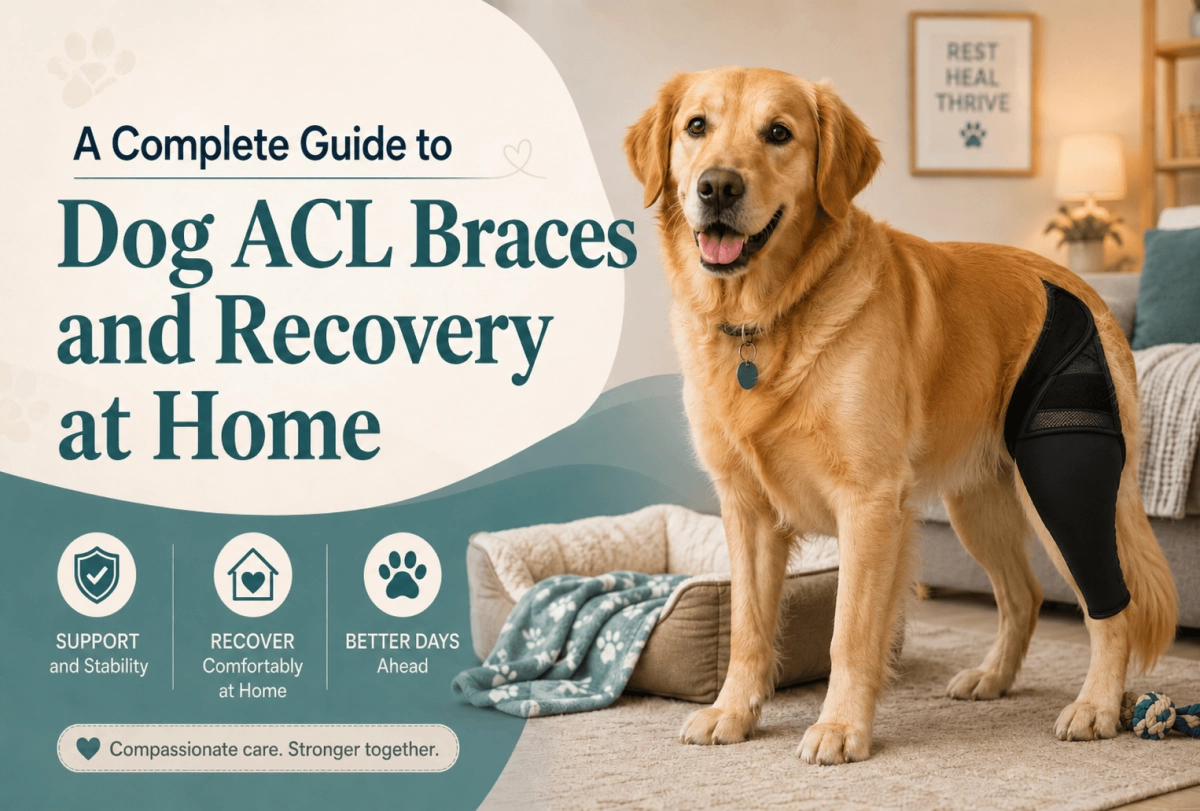
You may feel worried when your dog starts limping or avoids play. You are not alone. Many dogs suffer from ACL injuries. In fact, almost one out of five older dogs will injure both knees. With the right support and step-by-step instructions, you can help your dog heal at home. Using dog acl braces can be a key step toward a successful recovery. Trust the process, follow instructions, and gather information from your veterinarian. Your involvement makes a big difference in your dog's recovery.
Key Takeaways
-
Dog ACL braces give support and help your dog stay steady. They help your dog heal at home after getting hurt. - Always talk to your veterinarian before using a brace. This makes sure it fits right and is good for your dog. - Check your dog's skin every day for any redness or sore spots. Change the brace if needed so your dog does not feel pain. - Make a safe place at home for your dog to get better. Use a soft bed and floors that are not slippery to help healing. - Keep your dog at a good weight to protect the knees. This also helps stop more injuries from happening.
Can Dog ACL Braces Help Recovery?
Dog knee braces can help your dog heal at home after an ACL injury. Many people wonder if these braces really help. The answer is yes, dog knee braces can help many dogs feel better and move easier. They keep the injured knee steady, lower pain, and let your dog walk more safely while healing. Braces do not fix the torn ligament, but they give support that makes daily life easier for your dog.
When to Use a Dog ACL Brace
You might use a dog knee brace if your dog cannot have surgery. Some owners try braces first if they want a non-surgical option. Vets often suggest braces for older dogs or dogs with other health issues. Braces are good if surgery costs too much or is not possible. Sometimes, a brace is used while you decide what to do next. Your vet may recommend a brace to help your dog feel better, even if healing takes longer. Braces can also stop more injuries while your dog recovers.
Tip: Always ask your veterinarian before starting any new treatment. Your vet will give you clear steps and help you pick the best brace for your dog.
Benefits and Limitations
Dog knee braces have many benefits for dogs with ACL injuries. Here are some advantages:
-
Makes the joint steady so your dog walks with more confidence
-
Lessens stress on the injured ligament, which helps control pain
-
Helps rehab exercises by keeping the knee safe
-
Boosts your dog's confidence when moving around
-
Gives gentle compression for extra comfort
Dog knee braces do not require surgery and cost less. They let your dog heal without surgery and may help your dog recover faster. Many owners see their dogs return to normal activities sooner.
But dog knee braces also have some limits. Most studies are small and only look at short-term results. There is not enough long-term data to know how well braces work over time. Some dogs may get skin irritation or sores from wearing a brace. These problems can happen to about half of dogs who use braces. Bigger studies are needed to learn more about the long-term effects of dog knee braces.
Note: Always follow your veterinarian's instructions for fitting and using the brace. Check your dog's skin every day and look for signs of discomfort. If you see redness or sores, call your vet right away.
Dog knee braces can help your dog recover. With good support, information, and clear steps from your veterinarian, you can help your dog heal and enjoy life again.
Understanding Torn ACL in Dogs
What Is a Torn ACL?
Your vet may say "anterior cruciate ligament" when your dog hurts its knee. This ligament is inside the knee and keeps it steady. If your dog tears this ligament, it stretches or breaks. The knee loses support and becomes weak. Your dog will feel pain and may not move well. If you do not treat a torn acl, more problems can happen. The knee can get worse and become shaky. Muscles may shrink, and arthritis can start. The anterior cruciate ligament helps your dog walk and run.
A torn acl is a common injury for dogs. It can happen when your dog plays, runs, or jumps. Some dogs get hurt more often, like those who are very active or overweight. Knowing this helps you notice problems sooner.
Signs and Diagnosis
You can find an acl injury by watching how your dog moves. Look for these signs:
| Symptom |
Description |
Severity |
|---|---|---|
| Limping |
Limping on one back leg, especially after play or rest |
Moderate |
| Difficulty Rising |
Hard to stand up from sitting or lying |
Moderate |
| Toe-Touching Stance |
Only the toes touch the ground |
Moderate to Severe |
| Audible Click |
Knee makes a clicking sound |
Moderate to Severe |
| Constant Lameness |
Won’t put weight on the leg |
Severe |
You might also see:
-
The knee feels loose
-
Your dog has pain and trouble moving
-
Muscles get smaller from not using the leg
-
Arthritis can start if you do not treat the injury
Your vet will check your dog's knee for pain and looseness. Sometimes, they use X-rays to see more. Finding the injury early helps your dog heal better.
Types of Dog ACL Braces
Picking the right brace for your dog can be hard. There are different dog leg braces with special features. Each type has its own benefits. This section explains your choices in a simple way.
Custom Braces
Custom braces are made to fit your dog’s leg. A specialist measures or scans your dog’s leg. This makes the brace comfortable and gives strong support. Custom braces are good for dogs with special needs or bad injuries. They help your dog move safely and heal faster. Off-the-shelf braces do not fit as well or feel as comfortable.
Tip: Custom braces are best if your dog has a unique leg shape or needs more support.
Neoprene and Foam Braces
Neoprene and foam braces are soft and bend easily. They give gentle pressure and keep the knee warm. These braces help lower swelling and support the knee. Most dogs feel good wearing them every day. Some braces have aluminum splints for extra support. Check the fit often so your dog stays comfortable. These braces are best for mild or medium injuries.
-
Advantages:
-
Simple to put on and change
-
Light and easy to wear
-
Good for early healing or small injuries
-
-
Disadvantages:
-
May not fit every dog well
-
Not enough support for bad injuries
-
Dual-Leg and Hobbles Braces
Dual-leg braces help both back legs at the same time. They spread your dog’s weight and protect the healthy leg. Hobbles braces connect the legs to stop twisting and stretching too far. These braces help dogs who need more control while healing. They are light and simple to use for short recovery.
| Feature |
Specification |
Benefit |
|---|---|---|
| Material |
Polyester, Aluminum, Neoprene |
Strong, bends easily, comfy |
| Type |
Sport, Flexible, Stabilizer |
For active or healing dogs |
| Application |
Protection |
Keeps the joint steady |
Vet-Recommended Braces
Vets often suggest braces for dogs with partial tears or early knee problems. They also help when surgery is not possible. Vet-recommended braces are safe and use strong materials. They give steady support for healing and daily movement. Your vet will help you pick the best brace for your dog.
You can use this guide to talk to your vet and choose the right dog acl braces for your pet.
Dog ACL Surgery vs. Bracing
When Surgery Is Needed
You might ask when your dog needs dog acl surgery instead of a brace. Your vet looks at many things to decide. The injury’s severity is most important. If your dog’s ligament is fully torn, dog acl surgery works best. Your dog’s size and weight matter too. Big or heavy dogs often need dog acl surgery for strong support. How active your dog is also matters. If your dog likes running and playing, dog acl surgery helps them move normally again. Other health problems can change the choice. Some dogs cannot have anesthesia, so bracing is safer.
Common types of dog acl surgery are:
-
Tibial Plateau Leveling Osteotomy (TPLO)
-
Tibial Tuberosity Advancement (TTA)
-
Extracapsular lateral suture stabilization (ELSS)
-
CORA Based Leveling Osteotomy (CBLO)
Vets often say surgery is the best way to fix cruciate tears. Non-surgical care is another option, but it may not work as well as dog acl surgery. Always ask your vet which choice is best for your dog.
Pros and Cons of Each Approach
Picking between dog acl surgery and bracing depends on your dog’s health and age. It also depends on what you want for recovery. Dog acl surgery is usually the top choice for torn ACLs. It is best if your dog has a meniscal tear. Bracing can help older dogs or dogs with health issues. Bracing is good if surgery is not possible. You can use bracing with other treatments like acupuncture and supplements.
Here is a table to compare:
| Approach |
Pros |
Cons |
|---|---|---|
| Dog ACL Surgery |
Restores joint stability, faster recovery, best for active dogs |
Requires anesthesia, higher cost, risk of surgical complications |
| Bracing |
Less invasive, no anesthesia, cheaper than surgery, joint support |
Can slip, may cause skin problems, longer recovery, may not relieve all pain |
Tip: Recovery takes longer with a brace than with dog acl surgery. Bracing may need to be worn for life. It can put more stress on the other leg.
Dog acl surgery helps most dogs return to normal activity. Bracing gives support if surgery is not an option. Both choices have good and bad points. Talk to your vet and use all information to pick the best option for your dog. Cruciate surgery is the top choice for many dogs. Bracing can help in special cases. Always think about your dog’s comfort and health when choosing between dog acl surgery and bracing. Both options try to help your dog walk and play again.
Choosing and Fitting Dog Leg Braces
Factors for Selection
Selecting the right brace for dog ACL injury is an important step in recovery. You want to make sure the brace matches your dog’s needs and gives the best support. Here are some key factors to consider:
-
Severity of the injury: Some braces offer more support for serious injuries, while others work for mild cases.
-
Dog’s size and breed: Larger dogs need stronger braces, while smaller dogs benefit from lighter options.
-
Activity level: If your dog is very active, choose a brace that allows movement but still protects the knee.
-
Fit and measurements: Accurate measurements help the brace work well and keep your dog comfortable.
-
Professional guidance: Always ask your veterinarian for advice to make sure you pick the right brace.
You can also follow these step-by-step instructions to help you decide:
-
Identify the specific injury so you know which brace to choose.
-
Consider your dog’s size and make sure the brace will fit.
-
Look for a hinged design if your dog needs to keep a natural motion.
-
Read reviews from other owners for helpful information.
-
Choose top-rated options that address knee issues.
-
Consult your vet for tailored advice.
Tip: Getting the right fit and support helps dogs heal faster and prevents new injuries.
Fitting and Adjustment Tips
Proper fitting and adjustment make a big difference in how well the brace works. Use this table to guide you through the process:
| Best Practices for Fitting and Adjusting Dog ACL Braces |
Description |
|---|---|
| Proper Fit |
Make sure the brace fits snugly but not too tight. This keeps blood flowing and avoids discomfort. |
| Daily Checks |
Inspect the fit every day, especially during the first weeks. |
| Adjustments |
Loosen or realign the brace if your dog seems uncomfortable or if movement changes. |
| Monitor Skin |
Check for redness, swelling, or sores under the brace each day. |
| Professional Help |
Ask your vet for help with fitting or if you notice any problems. |
You should check the brace often and follow your vet’s instructions for adjustments. This step keeps your dog safe and comfortable. Good information and careful fitting help dogs recover and return to normal activities.
Home Preparation for Dogs’ Recovery
Safe Space Setup
You want your dog to feel safe and comfortable during recovery. Start by choosing a quiet room in your home. Use baby gates or a playpen to keep your dog in one area. This helps limit movement and prevents jumping on furniture. Place a cushioned orthopedic bed in the space. A soft bed gives your dog comfort and helps protect sore joints. Cover slippery floors with rugs or mats. This keeps your dog from slipping and hurting the knee again. Remove obstacles and keep the area free from stairs. Dogs need a calm place to rest and heal.
Tip: Familiar blankets and toys can help your dog feel relaxed and less stressed.
Essential Supplies
Gathering the right supplies makes recovery easier for both you and your dog. Here is a list of items you should have ready:
-
Soft, cushioned bed for comfort
-
Elevated food and water bowls to reduce bending
-
Non-slip mats or rugs for safe walking
-
Bandages for compression and extra support
-
E-collar to stop licking or biting at wounds
-
Medications as prescribed by your veterinarian
-
Special dietary plans if needed
-
Ice packs for swelling (if your vet suggests)
-
Toys and blankets your dog loves
You may also want to keep a small table nearby for medications and information from your vet. This helps you stay organized and follow the care plan. A quiet, comfortable recovery area gives dogs the best chance to heal. With the right setup and supplies, you provide the support your dog needs for a smooth recovery.
Recovery Timeline for Dogs
Surgical Recovery Phases
You want to know how long it takes for dogs to heal after ACL surgery. Most dogs start to feel better in 8 to 12 weeks. Full recovery can take up to 6 months. Your vet will check your dog's progress and give you updates. The table below shows what you can expect during surgery recovery:
| Source |
Recovery Timeline |
|---|---|
| Heron Lakes Vet |
8 to 12 weeks, full recovery up to 6 months |
| LA Cat and Dog Hospital |
8 to 12 weeks, full recovery up to 6 months |
| Animal Hospital Fairfield |
6 to 9 months for steady progress |
During post-surgery recovery, you should follow your vet’s instructions. You will need to limit your dog’s activity and use a leash for walks. You may also need to do gentle rehab exercises. These steps help your dog build strength and avoid new injuries.
Tip: Keep a journal to track your dog's acl recovery. Write down changes in walking, mood, and appetite. This information helps your vet adjust the care plan.
Non-Surgical Recovery with Braces
If your dog uses dog braces for torn ACL instead of surgery, you will see improvement in a few weeks. Full acl recovery may take several months. The timeline depends on your dog’s age, health, and the type of injury. Here is what you should know:
-
Mild injuries may improve in 2-3 weeks.
-
Severe injuries can take several months to heal.
-
Single knee braces may show relief in the first week.
-
Hinged braces might need more adjustment time.
-
Young dogs usually recover faster than older dogs.
-
Careful activity management speeds up recovery.
-
Consistent rehab and rest are important for healing.
You play a big role in your dog’s recovery. Stay patient and follow your vet’s advice. With the right support, most dogs return to normal activities and enjoy life again.
Controlled Walking and Exercise
Leash Walk Guidelines
You help your dog heal by following leash walk rules. For the first two weeks, keep your dog in a crate most of the time. Only let your dog out for bathroom breaks on a leash. This keeps your dog safe and helps healing.
After two weeks, you can start gentle walks. Walk your dog for five to ten minutes, two times a day. Always use a leash. Do not let your dog run or jump. Avoid quick turns. Walk on flat, non-slip floors. These walks help your dog get stronger without hurting the knee. Keep using leash walks for at least three months. This gives your dog time to heal and get used to moving again.
Tip: Watch your dog during walks. If your dog limps or seems hurt, stop walking and call your vet.
Rehabilitation Exercises
Rehabilitation exercises help your dog get stronger and feel better. Start light movement after swelling goes away, usually in one or two weeks. Slow leash walks are the first step. These exercises stop sudden moves that could hurt the knee more.
Add other exercises as your dog gets better. Hydrotherapy lets your dog swim in a safe pool. Swimming helps joints move without stress. Weight-shifting exercises build muscle and help balance. These exercises boost blood flow, lower stiffness, and relax muscles.
Try these exercises at home:
-
Short, slow leash walks
-
Standing on three legs for a few seconds
-
Gentle side-to-side weight shifts
-
Walking in shallow water (if your vet says it is okay)
Physical rehab programs often use these exercises. Ask your vet or rehab expert for a plan that fits your dog. With the right exercises and steps, most dogs heal and return to normal life.
Daily Care and Monitoring
Cleaning themselves and the Brace
You play a big role in your dog's post-op care. Cleanliness and routine checks help your dog heal and stay comfortable. Each morning, fit the brace carefully to give the right support. Before and after use, check your dog's skin for redness or irritation. Clean and dry the brace every day to keep it free from dirt and bacteria. Remove the brace at night or during rest. This step lets your dog's skin breathe and lowers the risk of sores. Follow your vet's instructions for pain management and activity levels. Keep your dog at a healthy weight to reduce stress on the knee. Good hygiene and daily checks make a big difference in post-op care.
Here is a table to guide your daily routine:
| Routine |
Description |
|---|---|
| Fit the brace |
Carefully fit the brace each morning to ensure proper support. |
| Skin checks |
Inspect your dog’s skin before and after each use to prevent irritation. |
| Cleaning |
Clean and dry the brace daily to maintain hygiene. |
| Night removal |
Remove the brace at night or during rest to allow skin to breathe. |
| Pain monitoring |
Watch for signs of pain or swelling to address issues promptly. |
| Weight management |
Keep your dog at a healthy weight to reduce strain on the joint. |
| Vet advice |
Follow your vet’s recommendations for pain management and activity levels. |
Watching for Problems
You need to watch for warning signs during recovery. Dogs may show sudden limping or hold one hind leg up. Swelling in the knee, reduced activity, or clicking sounds can mean trouble. Early identification of these problems allows for faster intervention and better long-term outcomes. If you notice any of these signs, contact your vet right away. Quick action helps prevent setbacks and keeps your dog's rehabilitation on track.
-
Sudden limping
-
Holding one hind leg up
-
Knee swelling
-
Reduced activity
-
Clicking or popping sounds
Stay alert and follow step-by-step instructions from your vet. Use all information given to you for the best post-op care. Your support and attention help your dog recover and enjoy life again. Consistent rehab and daily monitoring lead to a smoother healing process.
Preventing Future Injuries in Dogs
Weight Management
You can lower the risk of future ACL injuries by keeping your dog at a healthy weight. When a dog carries extra pounds, the knees face more stress. This extra weight makes injuries more likely. Studies show that obesity in dogs increases the chance of ACL rupture by more than two times. In some cases, the risk can be almost four times higher. You can help your dog by feeding the right amount and choosing healthy treats. Regular check-ins with your vet give you important information about your dog's weight. If you need help, ask your vet for a diet plan or advice on safe weight loss.
Tip: Use a measuring cup for food and limit table scraps. Small changes can make a big difference.
Safe Activity Habits
You play a key role in keeping your dog's knees safe. Choose activities that protect the joints and build muscle. Safe habits help your dog stay active without risking another injury. Try these ideas:
-
Pick controlled, low-impact exercise like leash walks or swimming. These activities keep muscles strong and prevent stiffness.
-
Avoid high-impact games such as jumping for toys or running on slippery floors. These can hurt the knees.
-
Warm up before playtime and cool down after. This helps muscles get ready and recover.
-
Use ramps instead of stairs or jumping onto furniture.
-
Keep nails trimmed for better grip on the floor.
You can also ask your vet or rehab specialist for more support. They can design a plan that fits your dog's needs. With the right habits, you help your dog enjoy life and lower the chance of another injury.
Working With Your Veterinarian
When to Consult Your Vet
You play a key role in your dog's ACL recovery, but your veterinarian gives the most important guidance. You should know when to reach out for help. Watch your dog closely during recovery. Some signs mean you need to call your vet right away. These include:
-
Redness or swelling around the incision site
-
Excessive licking or biting at the wound
-
Limping that gets worse instead of better
-
Loss of appetite or unusual behavior
Other warning signs can show up as your dog heals. You may notice limping or toe-touching with one leg. Stiffness after getting up is another clue. Swelling around the knee or clicking and popping sounds in the joint also need attention. Muscle loss in one thigh, reluctance to play, jump, or climb stairs, and difficulty rising or sitting are important signals. Sudden changes in activity or pain should not be ignored.
Your vet can give you step-by-step instructions for each stage of recovery. If you see any of these signs, do not wait. Early action helps prevent bigger problems and keeps your dog on track.
Questions to Ask
You want the best for your dog. Asking the right questions helps you get the information you need. Here are some questions to guide your next visit:
-
What is the next step in my dog's recovery plan?
-
How long should my dog wear the brace each day?
-
What rehab exercises are safe for my dog?
-
When can my dog return to normal activities?
-
What signs mean I should call you right away?
-
How do I adjust the brace for the best fit?
-
What support can I give at home to help healing?
Bring a notebook to write down answers and instructions. This helps you remember important details. Good communication with your vet gives you confidence and helps your dog heal faster.
Troubleshooting Dog ACL Braces
Common Fit Issues
You want your dog's ACL brace to fit well for the best support. Sometimes, you may notice problems with the fit. A brace that slips or twists does not help your dog heal. You should check the straps every day. Make sure they are snug but not too tight. If you see red marks or swelling, the brace may press too hard. Loose braces can rub and cause sores. You may need to adjust the brace as your dog's leg changes during recovery.
Here are some common fit issues to watch for:
-
The brace slides down the leg during walks.
-
Your dog chews or licks at the brace.
-
The brace leaves deep marks on the skin.
-
You see swelling above or below the brace.
-
The brace rotates or shifts out of place.
Tip: If you cannot fix the fit at home, ask your vet or a rehab specialist for help. They have the right information to guide you.
Signs the Brace Isn’t Helping
You want to see progress as your dog wears the brace. Sometimes, the brace may not give enough support. Watch your dog closely for signs that the brace is not working. If your dog limps more or avoids using the leg, the brace may not fit right. Swelling, pain, or new sores mean you should call your vet. Dogs that refuse to walk or show less energy may need a different plan.
Use this table to track warning signs:
| Sign |
What It Means |
|---|---|
| More limping |
Brace may not support enough |
| New swelling or redness |
Possible irritation |
| Chewing at the brace |
Discomfort or poor fit |
| No improvement after weeks |
Time to review treatment |
You play a key role in your dog's recovery. Stay alert and ask for help if you see problems. With the right support, most dogs return to normal activities and enjoy life again.
You can help your dog get better by taking the right steps. First, make your home safe and cozy for your dog. Next, use easy ways to help with pain and discomfort. Then, follow simple instructions for therapy and exercises. Be patient and keep doing these steps every day. Most dogs feel happy again with good support. Always ask your veterinarian for advice and help. This will make sure your dog recovers well with dog acl braces.
FAQ
How long should my dog wear an ACL brace each day?
You should follow your veterinarian’s instructions for daily brace use. Most dogs need support during all waking hours. Remove the brace at night. This step helps your dog’s skin breathe. Always check for redness or irritation and adjust as needed for comfort and support.
What are the first steps for starting rehab at home?
Begin with a quiet space and gather all information from your vet. Use step-by-step instructions for each exercise. Start with gentle leash walks. Add more rehab activities as your dog improves. Consistent support and daily routines help your dog heal faster.
Can I do rehab exercises without professional support?
You can start basic rehab at home with clear instructions. Always ask your vet for information before trying new exercises. Some dogs need extra support from a rehab specialist. If you see pain or swelling, stop and call your vet for the next step.
What information should I track during my dog’s recovery?
Keep a daily log of your dog’s activity, mood, and any changes in movement. Write down each step of the rehab process. Record support routines and follow all instructions. This information helps your vet adjust the plan and gives you better support for your dog.
How do I know if my dog needs more support during recovery?
Watch for signs like limping, swelling, or less interest in rehab. If your dog struggles with any step, contact your vet for more information. Your vet may suggest extra support or change the instructions. Early action gives your dog the best chance for a full recovery.
0 Comments