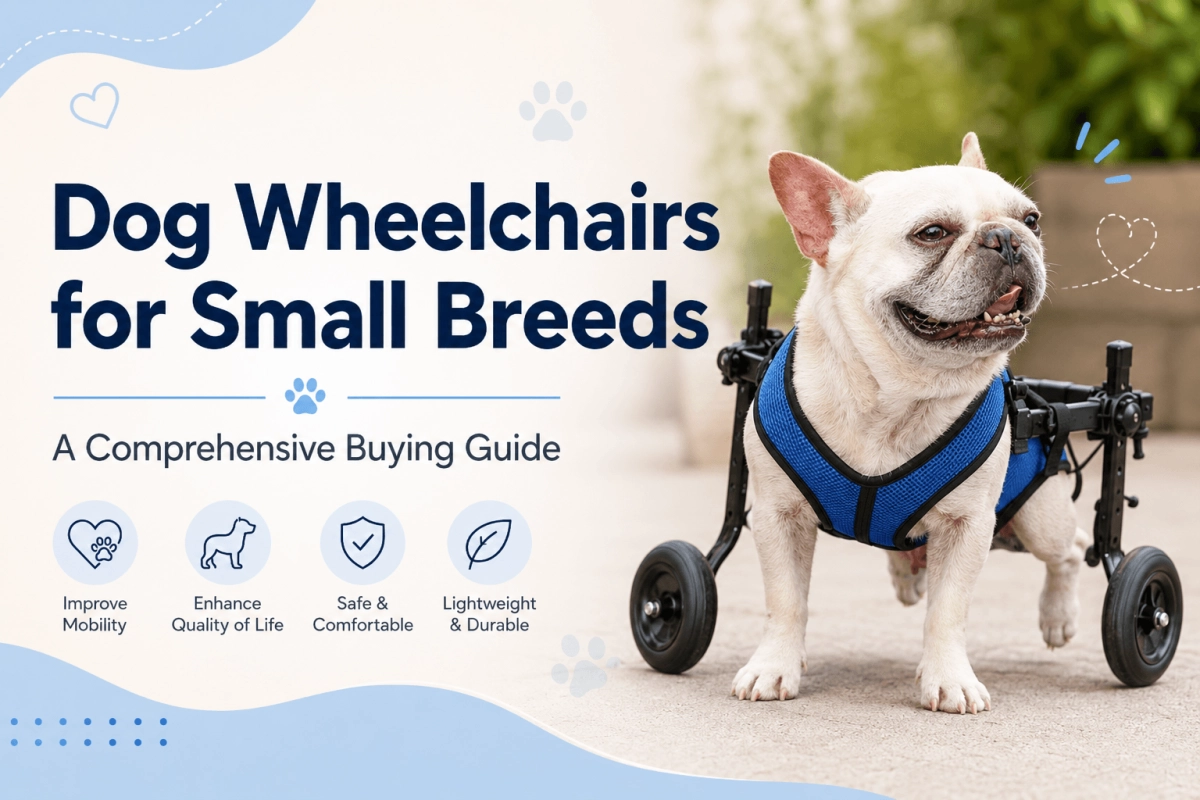
When it comes to dog wheelchairs, nothing matters more than a good fit for your little companion. Small dog breeds need wheelchairs that are ultra-lightweight and easy to adjust. You want your dog to move naturally and stay comfortable, so choosing the right fit is key. A well-fitted wheelchair supports your dog’s unique body type and helps prevent discomfort or extra strain. Always take accurate measurements before you buy and talk with your vet. With the right fit, you give your dog the best chance to enjoy life again.
Key Takeaways
-
Pick a light and adjustable wheelchair for your small dog. This helps your dog feel comfortable and move easily. - It is very important to measure your dog correctly. Measure your dog's chest, the space between legs, and weight. This helps you find the best size. - Choose a wheelchair with strong rubber wheels for inside use. For outside trips, think about air-filled tires. - Find features like an open-frame style and harnesses you can wash. These help keep your dog clean and comfy. - Talk to your vet to learn about your dog's movement needs. This helps you pick the right wheelchair.
Choosing Dog Wheelchairs for Small Breeds
Weight and Frame Size
When you start looking at dog wheelchairs for your small pup, weight and frame size matter a lot. Small breeds need a lightweight, sturdy frame that won’t slow them down or cause extra strain. You want something strong but not bulky. Most brands offer different sizes, like "mini" for dogs under 10 pounds and "small" for those up to 25 pounds. Some wheelchairs use a universal frame with different harness sizes, so you can get a custom fit without a custom price.
Here’s a quick look at the most important features to check:
| Feature |
Description |
|---|---|
| Lightweight, durable frame |
Keeps your dog moving easily and safely. |
| Adjustable sizing |
Lets you tweak the fit as your dog grows or changes. |
| Small, puncture-proof wheels |
Helps your dog stay steady and safe on any surface. |
| Comfortable harness |
Prevents rubbing and supports your dog’s body. |
| Easy to adjust |
Makes life easier for both you and your dog. |
| Compact design |
Fits in your car or closet for easy storage. |
Anatomical Fit
Getting the right fit is the most important part of choosing the right wheelchair. Small dogs come in all shapes, so you need to measure carefully. You’ll want to know your dog’s chest girth, the distance between the front and back legs, and their weight. Some breeds, like Dachshunds, have long backs, while others, like French Bulldogs, have broad chests. Adjustable wheelchairs help you match the fit to your dog’s unique shape.
To measure for the best fit, follow these steps:
-
Lay your dog on their side.
-
Gently bend the back leg as if your dog is standing.
-
Measure from the crease where the thigh meets the body to the toe pad.
Indoor Maneuverability
Small dogs spend a lot of time indoors, so you want a wheelchair that moves easily in tight spaces. Look for small, solid wheels that turn smoothly and don’t get stuck. A compact frame helps your dog move around furniture and corners without bumping into things. When you focus on fit and easy movement, your dog will feel more confident and happy at home.
Tip: Always double-check your measurements before you order. A perfect fit means more comfort and less risk of rubbing or chafing.
Understanding Mobility Needs
Health Conditions
When you look at your dog’s mobility, start by thinking about the health conditions that might affect their movement. Small breeds often face unique challenges. Some dogs struggle with back problems or herniated discs, especially breeds like Dachshunds. Others may have issues like degenerative myelopathy or even brachycephalic movement syndrome, which affects breathing and movement. Here’s a quick table to help you spot some common mobility scenarios:
| Health Condition |
Description |
|---|---|
| Brachycephalic Movement Syndrome |
Short-muzzled breeds may have breathing issues that limit movement. |
| Degenerative Myelopathy |
Spinal cord disease that can cause rear leg weakness and even paralysis. |
| Back Problems and Herniated Discs |
Swollen or ruptured discs can lead to pain or paralysis, especially in long-backed breeds. |
If your dog has arthritis, you might look for a wheelchair for dogs with arthritis to help them stay active. Always talk with your vet to understand your dog’s specific needs before choosing any mobility aids.
Recovery vs. Long-Term Use
Think about whether your dog needs a wheelchair for a short recovery or for long-term support. A temporary dog rear support wheelchair works well if your dog is healing from surgery or injury. For chronic issues like IVDD, you may need an ivdd dog wheelchair that offers lasting comfort and stability. Your vet can help you decide which option fits best.
Note: Dogs with front leg issues or those who only need a dog wheelchair for one leg may need a different style of support.
Support Types
Dog wheelchairs come in different styles to match your dog’s needs. Here’s a table to help you choose:
| Type of Wheelchair |
Description |
|---|---|
| Best for dogs with rear leg weakness or paralysis. |
|
| Front dog wheelchairs |
Designed for dogs with front leg issues. |
| Supports dogs with weakness in all four legs. |
Most small breeds benefit from a dog wheelchair for back legs or a dog wheelchair for rear legs. These help your pup walk, run, and play again. If you feel unsure, your vet can guide you to the right choice.
Measuring for the Best Dog Wheelchair
Getting the right measurements is the first step to making sure your dog gets a good fit. You want your pup to feel comfortable and safe in their new wheelchair. Grab a soft tape measure and follow these steps.
Chest Girth
Start by measuring your dog’s chest girth. Wrap the tape around the widest part of the chest, just behind the front legs. Make sure the tape sits snug but not tight. This measurement helps you choose the right harness size, which is key for a secure fit.
Tip: Double-check your measurement to avoid mistakes. A harness that’s too loose or too tight can cause rubbing or slipping.
Leg Distance
Next, measure the leg distance. Lay your dog on their side and gently bend the back leg as if your dog is standing. Measure from the crease where the thigh meets the body down to the toe pads. For small breeds under 25 pounds, you also need to measure from the armpit to the rump. This helps adjust the wheelchair length so the side extenders stop just behind the shoulder blades.
-
Accurate leg distance measurement lets the wheelchair support your dog’s hind end comfortably.
-
It prevents overstretching or restricting the legs.
-
Adjustable features rely on these measurements to keep the fit right as your dog grows.
Weight
Weigh your dog to find the correct frame size. Most small breed wheelchairs support dogs from 11 to 25 pounds. Here’s a quick table:
| Product Name |
Weight Range (pounds) |
|---|---|
| Walkin' Wheels SMALL Dog Wheelchair |
11 - 25 |
Common Mistakes
Many owners make mistakes when measuring. Here are some to watch out for:
-
Guessing your dog’s size instead of measuring.
-
Measuring while your dog is in an awkward position.
-
Forgetting to double-check measurements before ordering.
If you miss a step or rush, your dog might end up with a wheelchair that doesn’t fit. Poor fit can lead to chafing, discomfort, and less mobility. Take your time and measure carefully. Your dog will thank you!
Best Dog Wheelchair Features
When you shop for the best dog wheelchair for your small pup, you want features that make life easier for both of you. Let’s break down what really matters so you can pick a wheelchair that keeps your dog happy, healthy, and moving.
Adjustability
Comfort and adjustability matter most when it comes to dog wheelchairs. You want a cart that fits your dog’s unique shape and size. The best models let you adjust height, width, and length. This three-dimensional adjustability means you can line up the wheelchair with your dog’s hips, set the harness in the right spot, and make sure nothing rubs or pinches. You can even tweak the width so your dog moves freely, which is super important for small breeds with delicate frames.
Here’s a quick look at the key adjustable features you should look for:
| Feature |
Description |
|---|---|
| Adjustable Frame |
Lightweight frame adjusts in length, width, and height for a perfect fit. |
| Width Connectors |
Two connectors (7" and 4") help you set the right width for your dog. |
| Length Extenders |
Extenders let you set the length so the frame stops just behind the front legs. |
| Height Adjustment |
Push-button struts make it easy to set the right height for comfort. |
| Adjustable Stirrups |
Stirrups hold your dog’s feet at the hock and can be removed if not needed. |
You’ll find that adjustable sizing helps your dog feel secure and comfortable, especially as they grow or if their weight changes.
Tip: Always check that the wheelchair allows for easy changes in all three directions—height, width, and length. This gives your dog the best chance at a natural stride.
Frame Material
The frame is the backbone of any dog wheelchair for back legs. You want something strong but light, so your dog doesn’t get tired. Most high-quality dog wheelchairs use aircraft-grade aluminum. This material keeps the wheelchair light, rust-free, and tough enough for daily use. Plastic and steel frames are heavier and less durable, so they’re not the best choice for small breeds.
| Material |
Benefits |
|---|---|
| Aircraft-grade aluminum |
Lightweight, rust-resistant, durable |
| Plastic |
Heavier, less durable |
| Steel |
Heavier, less durable |
Aluminum frames reduce physical stress on your dog and last longer, making them a smart investment.
Wheel Type
Wheels for disabled dogs come in different styles, but not all are equal for small breeds. Solid rubber wheels work best indoors. They roll smoothly on tile, wood, or carpet and never go flat. If your dog spends time outside, air-filled tires can help on rough ground, but they need more care.
| Wheel Type |
Best Use |
|---|---|
| Air-filled tires |
Outdoor use |
| Solid rubber wheels |
Indoor surfaces |
Most owners choose solid rubber wheels for handicapped dogs because they’re safe, steady, and low-maintenance. Medium-sized wheels for dogs with bad back legs offer a good balance for both indoor and outdoor play.
Hygiene Design
Small dogs often spend lots of time inside, so you want a wheelchair that’s easy to keep clean. Look for an open-frame design. This lets your dog urinate and defecate without taking off the wheelchair. Washable harnesses and straps help prevent skin irritation and keep things fresh.
Note: Open frames and washable parts make daily life easier for both you and your dog.
Portability
You might need to take your dog’s wheelchair on trips or store it away when not in use. A foldable design makes this simple. You can tuck the wheelchair into a closet or car trunk without any hassle. Lightweight frames also help you carry the wheelchair with one hand.
-
Foldable frames save space.
-
Lightweight materials make transport easy.
-
Quick-release parts let you set up or pack away the wheelchair fast.
Comfort
Your dog’s comfort should always come first. The best dog wheelchair offers soft, padded harnesses that don’t rub or chafe. Adjustable sizing lets you fine-tune the fit. Dogs can relieve themselves without removing the wheelchair, which keeps them relaxed and happy.
| Comfort Feature |
Description |
|---|---|
| Adjustability |
2-3" of adjustability in height and width for a custom fit. |
| Ease of Use |
Quick setup, just like a regular harness. |
| Bathroom Accessibility |
Dogs can go potty without taking off the wheelchair. |
When you focus on comfort and adjustability, your dog will feel more confident and eager to move. That’s what makes a wheelchair truly great.
Remember: The right features make all the difference. Choose a wheelchair that fits your dog’s needs and lifestyle, and you’ll see them thrive.
Top Dog Wheelchairs for Small Breeds
Choosing the right wheelchair for your small dog can feel overwhelming, but breaking it down by price and features makes it easier. Let’s look at what you can expect from basic, mid-range, and premium custom models.
Basic Models
Basic wheelchairs are a great starting point if you need something simple and affordable. These usually cost between $50 and $100. You get a lightweight frame, easy assembly, and a design that works for short-term recovery or mild mobility issues. Many basic models use aircraft-grade aluminum, so they’re light and easy to handle. You’ll find features like:
| Feature |
Description |
|---|---|
| Lightweight |
Easy for your dog to move and for you to carry |
| Simple Assembly |
Quick setup, no special tools needed |
| Convertible |
Can switch between rear and full support |
| Veterinarian Approved |
Designed with expert input for safety |
If you want a budget-friendly solution, these models cover the basics.
Mid-Range Options
Mid-range wheelchairs usually cost between $150 and $300. These offer more adjustability and durability than basic models. You can change the height, width, and length to fit your dog as they grow or recover. The frame is solid aluminum, which means it stands up to daily use and active dogs. Here’s what sets them apart:
-
Adjustable in three directions for a custom fit
-
Stronger, more stable frame for long-term use
-
Better harnesses and padding for comfort
-
Designed for both indoor and outdoor adventures
Mid-range options work well if your dog needs ongoing support or if you want a wheelchair that adapts as your dog’s needs change.
Premium Custom
Premium custom wheelchairs are the top wheelchair options for small breeds. Prices start around $300 and can go up to $1,600 or more, depending on the level of customization. These chairs are made just for your dog, with choices for color, frame size, and even leg height. You can match the wheelchair to your dog’s exact measurements and style.
| Pet Weight |
Rear Leg Height |
Color |
|---|---|---|
| 11-14 lbs |
3-6" |
Seafoam |
| 11-14 lbs |
3-6" |
Pink |
| 11-14 lbs |
3-6" |
Blue |
| 15-25 lbs |
12-15" |
Pink |
| 15-25 lbs |
12-15" |
Blue |
| 15-25 lbs |
12-15" |
Seafoam |
With a premium custom chair, you get the best fit, the most comfort, and lots of choices to match your dog’s personality. These are perfect for dogs with unique needs or long-term conditions.
Tip: Think about your dog’s lifestyle and health needs before you choose. A good fit and the right features make all the difference in your dog’s happiness and mobility.
Adapting to a Dog Wheelchair
Introduction Process
Introducing a wheelchair to your small dog can feel like a big step, but you can make it a positive experience. Start slow and let your dog explore the wheelchair at their own pace. Here’s a simple way to help your pup adjust:
-
Place the wheelchair near your dog and let them sniff it. Give treats and praise when they show interest.
-
Gently introduce the harness. Put it on for short periods and reward your dog so they connect it with good things.
-
Help your dog take a few steps indoors while you support them. Keep sessions short and upbeat.
-
Take short walks around the house. Use treats and happy words to build confidence.
-
Add small obstacles or toys to make things fun and help your dog feel normal again.
-
Watch your dog’s reactions and adjust the pace if they seem nervous or tired.
Patience and encouragement go a long way when you’re introducing a wheelchair.
Safety Tips
Keeping your dog safe is just as important as helping them move. Here are some tips to follow:
-
Check that the harness fits snugly, like a regular walking harness.
-
Start with short sessions, about 10 to 15 minutes, so your dog doesn’t get overwhelmed.
-
Use treats or favorite toys to make the experience enjoyable.
-
Always supervise your dog during the first few uses.
Tip: If your dog seems uncomfortable, stop and check the fit before trying again.
Monitoring Comfort
You want your dog to stay happy and healthy in their wheelchair. Here’s how you can keep an eye on their comfort:
-
Check the fit every day to make sure there are no pressure points or sore spots.
-
Look at your dog’s skin for redness or irritation, especially under the harness.
-
Notice how your dog acts. If they seem scared or upset, take a break and try again later.
-
Keep your floors safe by adding rugs for traction and trimming your dog’s nails to prevent slipping.
-
Ask your vet or a rehab specialist for advice if you see any problems.
You can also use a quality-of-life checklist to track your dog’s well-being over time. Regular checks help you catch small issues before they become big problems.
Decision Checklist
Key Considerations
You want your small dog to feel comfortable and safe. Before you buy, take a moment to review the most important points. Here’s a handy table to help you remember what matters most:
| Consideration |
Description |
|---|---|
| Type of support needed |
Decide if your dog needs help with front or back legs. Most wheelchairs support hind legs. |
| Intended use environment |
Think about where your dog will use the wheelchair. Indoor wheels work best for tight spaces. |
| Expected duration of use |
Will your dog need the wheelchair for a short time or for life? Choose durability to match. |
| Quality criteria |
Look for lightweight frames, adjustable harnesses, comfort, easy assembly, and bathroom access. |
You can use this table as a quick reference when you’re choosing the right wheelchair for your pup.
Tip: Write down your dog’s measurements and needs before you shop. This helps you avoid mistakes and makes the process smoother.
Final Questions
Ready to make your decision? Ask yourself these questions to feel confident about your choice:
-
Did you measure your dog’s chest girth, leg distance, and weight accurately?
-
Do you know if your dog needs rear or full support?
-
Will the wheelchair fit your home and outdoor spaces?
-
Is the frame lightweight and easy to adjust?
-
Can your dog relieve themselves comfortably while using the wheelchair?
-
Are the harnesses washable and soft?
-
Have you talked with your vet about your dog’s mobility needs?
If you answered “yes” to most of these, you’re on the right track. You can feel good about helping your dog move and enjoy life again.
Choosing the right wheelchair can change your small dog’s life. When you focus on fit, comfort, and the right features, you help your pup move with confidence. Use the checklist to guide your decision. Don’t forget to ask your vet for advice. > Remember: You’re giving your dog a chance to play, explore, and enjoy every day. You’ve got this!
FAQ
How do I know if my small dog needs a wheelchair?
You might notice your dog dragging their back legs or struggling to walk. If your pup falls often or avoids play, a wheelchair can help. Ask your vet for advice before you buy.
Can my dog go to the bathroom while using a wheelchair?
Yes! Most wheelchairs have an open-frame design. Your dog can pee and poop without taking off the wheelchair. This keeps things easy and stress-free.
How long does it take for a dog to get used to a wheelchair?
Every dog is different. Some pups adjust in a few days. Others need a week or two. Use treats and praise to help your dog feel comfortable.
What surfaces can my dog use the wheelchair on?
| Surface |
Works Well? |
|---|---|
| Carpet |
✅ |
| Grass |
✅ |
| Gravel |
✅ |
| Tile/Wood |
✅ |
Solid rubber wheels work indoors and outdoors. Try short walks first to see what your dog likes.
Any tips for keeping the wheelchair clean?
Tip: Wash the harness and straps every week. Wipe down the frame after outdoor walks. This keeps your dog comfy and prevents skin irritation.
0 Comments