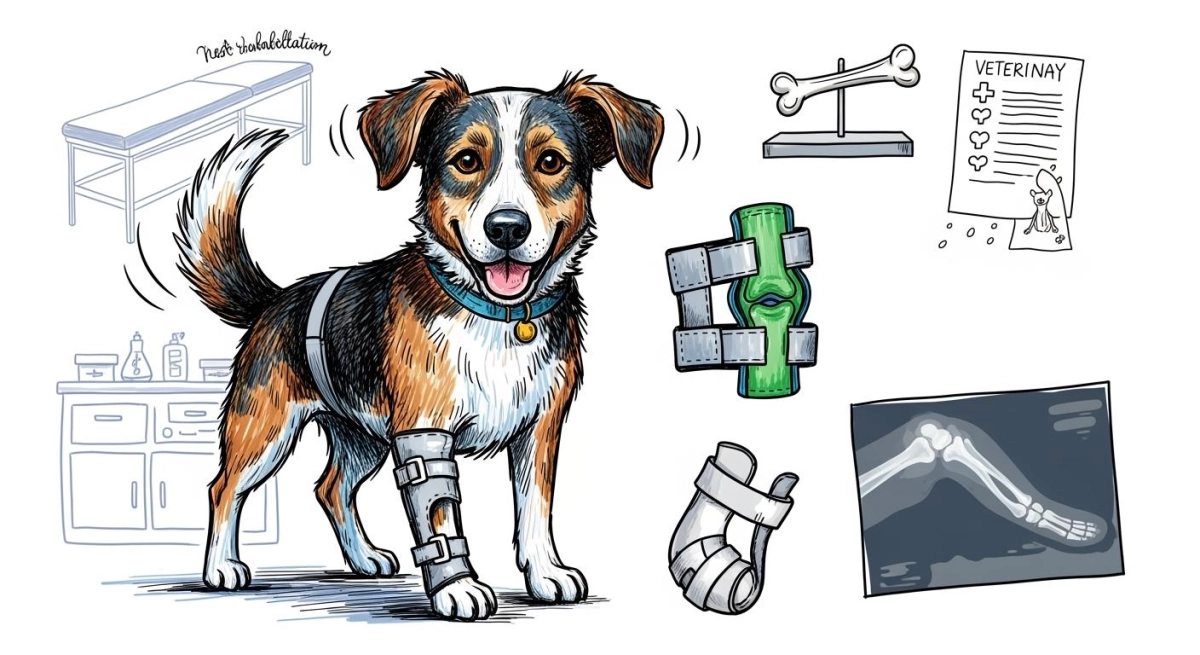
You might notice your dog struggling with joint pain or dental issues. Dog braces and orthopedic solutions offer real help and support. Veterinarians use these devices to improve your dog’s comfort and mobility.
If you ever wondered, "are dog braces a thing," you can trust that they exist and play an important role in canine health and recovery.
Key Takeaways
-
Dog braces provide support and stability for dogs with joint or mobility issues, improving their comfort and quality of life.
-
Always consult your veterinarian before choosing a brace to ensure a proper fit and effective treatment for your dog's specific needs.
-
Regular care and monitoring of your dog's brace are essential to prevent skin irritation and ensure the device works effectively.
-
Braces can be a non-invasive alternative to surgery, helping dogs recover from injuries and manage chronic conditions without the risks of surgical procedures.
-
Early detection of dental or joint problems can lead to better outcomes, so watch for signs like limping or difficulty eating and seek veterinary advice promptly.
Are Dog Braces a Thing? Understanding Real Canine Orthopedic Solutions
What Are Dog Braces and Orthotic Devices
You may wonder, are dog braces a thing? The answer is yes. Dog braces, also called orthoses, are special devices that support, protect, or stabilize your dog's joints and limbs. These devices help dogs move better and feel less pain. Veterinarians use them to help dogs recover from injuries or manage long-term joint problems.
Dog braces are different from prosthetics. Braces support your dog's existing joints and bones. Prosthetics replace a missing limb. When you use a brace, you help your dog keep moving with their own body parts.
Dog braces often fit your dog's unique shape. Custom-made braces give the best support and comfort. Off-the-shelf options are available too, but they may not fit as well. You can trust that these devices are designed to help your dog heal and stay active.
Note: Always ask your veterinarian before choosing a brace for your dog. A proper fit is important for comfort and healing.
Types of Dog Braces and Devices
You will find many types of dog braces and orthopedic devices. Each one helps with different problems. Here are some common types:
-
Custom orthotics: Made just for your dog’s needs.
-
Braces: Give support and keep joints stable.
-
Neoprene slings: Help support weak or injured legs.
-
Support wraps: Aid in recovery from injuries.
-
Prosthetics: Replace a lost limb or help with limb salvage.
Some braces focus on certain joints or body parts. You might see:
-
Stifle braces: Support the knee, especially for ligament injuries.
-
Elbow braces: Help dogs with elbow pain or instability.
-
Hock and knee braces: Support weak ankles or knees.
-
Hip braces: Help dogs with hip dysplasia or muscle weakness.
-
Back braces: Give support to the spine and improve posture.
-
Neck and shoulder braces: Stabilize these areas during recovery.
Here is a table to show how dog braces compare to other orthopedic devices:
| Feature |
Dog Braces |
Other Orthopedic Devices |
|---|---|---|
| Customization |
Often custom-made for unique anatomy |
More generic designs |
| Support |
Provides targeted support and stabilization |
May not offer tailored support |
| Fit |
Ensures snug and effective fit |
Often less tailored fit |
| Recovery Focus |
Enhances stability and pain reduction |
Varies, may not focus on recovery |
You can see that dog braces give more targeted support and fit better than many other devices.
Common Conditions Treated
Are dog braces a thing for many health problems? Yes, they help with a wide range of conditions. Your veterinarian may suggest a brace for:
-
Carpal hypertension (wrist problems)
-
Medial shoulder instability
-
Achilles tendon rupture
-
Cranial cruciate ligament disease (knee injuries)
-
Abnormal side-to-side movement of the carpus (wrist)
-
Arthritis and joint pain
-
Post-surgery support
Braces can also help dogs who cannot have surgery. They support joint stability, encourage natural healing, and improve mobility. Many veterinarians recommend braces as a non-invasive way to help your dog recover and stay active.
Tip: If your dog limps, has trouble walking, or seems in pain, ask your veterinarian if a brace could help.
Are dog braces a thing you should consider? If your dog has joint or limb problems, these devices can make a big difference in their comfort and quality of life.
Signs Your Dog Might Need Braces or Orthopedic Support
Dental Symptoms to Watch For
You may notice your dog struggling with dental issues. Dogs often show clear signs when their teeth or jaws need extra support. Watch for these symptoms:
-
Dropping food more than usual
-
Difficulty picking up or chewing food
-
Reluctance to have their head or jaw touched
-
Visible misalignment of teeth or jaws
-
Bad breath or mouth odor
-
Pawing at the mouth or showing discomfort
-
Bleeding gums
-
Trouble eating or a sudden drop in appetite
Flat-faced breeds like pugs and French bulldogs often experience dental crowding. Very small breeds, such as Chihuahuas and Yorkies, can develop tooth enamel damage quickly. If you see unusual chewing habits or persistent bad breath, your dog may need dental braces or orthodontic intervention.
Tip: Early detection of dental symptoms helps prevent pain and supports your dog’s overall health.
Mobility and Joint Issues
Dogs with joint or mobility problems often change their behavior. You might see your dog limping or hesitating before jumping. Swelling around joints, difficulty rising, or excessive licking of a specific area can signal discomfort. Some dogs become less active, withdraw from family activities, or show irritability when touched in sensitive spots. Changes in sleep patterns, such as trouble finding a comfortable position, may also indicate underlying issues.
-
Reluctance to use stairs or jump onto furniture
-
Losing interest in play or fetch
-
Favoring certain surfaces during walks
If you notice these signs, your dog may benefit from orthopedic support.
When to Seek Veterinary Advice
You should contact your veterinarian if your dog shows any of these symptoms. A professional can assess whether braces or orthopedic devices are needed. Are dog braces a thing you should consider? Yes, if your dog struggles with dental or joint issues, these solutions can improve their comfort and mobility. Early intervention leads to better outcomes and a happier life for your pet.
The Treatment Process for Dog Braces and Orthopedic Devices
Veterinary Evaluation and Diagnosis
Your dog’s journey with orthopedic solutions starts with a thorough veterinary evaluation. The veterinarian will:
-
Review all your dog’s medical records, not just those about bones or joints.
-
Perform a full physical and orthopedic exam to check if your dog is a good candidate for a brace.
-
Take photos and sometimes consult with specialists before fitting the device.
-
Discuss the costs, including casting and possible rehabilitation.
-
Talk about the need for rehab to help your dog adjust to the new device.
-
Decide if sedation is needed for the casting process.
For dental issues, your vet may use several diagnostic tools:
-
Dental radiographs to check the roots and inside of the teeth.
-
Cone beam computed tomography (CBCT) for crowded or hard-to-see teeth.
-
Periodontal diagnostic strips to measure gum health.
Dental radiography is the gold standard for finding dental disease in dogs. It gives clear images and helps your vet plan the best treatment.
Treatment Options (Braces, Extractions, Crown Reduction)
You may wonder, are dog braces a thing for all dental and joint problems? Your vet will choose the best treatment based on your dog’s needs. Here is a table showing common dental issues and how braces or other treatments can help:
| Dental Issue |
Description |
|---|---|
| Malocclusions |
Misaligned teeth or jaws that can cause pain and health risks. |
| Linguoversions |
Lower canine teeth grow upward, making mouth closure painful. |
| Crossbites |
Upper teeth fit inside lower teeth, affecting chewing. |
| Post-Cancer Surgery |
Braces keep teeth in place after jaw surgery. |
Other options include crown reduction, which removes part of a tooth, or extractions, which remove a tooth to stop pain or infection.
Duration of Treatment and Follow-Up Care
Treatment with braces often lasts about six weeks, but it can range from 11 to 174 days. Crown reduction has a high success rate and needs special training. Extractions give quick relief and help keep your dog’s mouth healthy. Your vet will schedule follow-up visits to check progress and adjust the device if needed. Regular care and checkups help your dog heal and stay comfortable.
Daily Care and Maintenance
Caring for your dog’s brace or orthopedic device helps keep your pet comfortable and healthy. You play a big role in making sure the device works well and does not cause problems. Here are some important steps you should follow every day:
-
Limit the time your dog wears the brace. Most dogs should wear their brace for 8 to 12 hours during active parts of the day. Remove the brace at night or when your dog rests for long periods. This gives the skin a break and helps prevent irritation.
-
Check your dog’s skin every day. Look for redness, swelling, or sores where the brace touches the body. Early signs of trouble include hair loss or your dog licking the same spot often. If you see these signs, contact your veterinarian for advice.
-
Clean the brace often. Use a lint roller to remove hair and dirt. Wash the brace by hand in lukewarm water with gentle soap. Hang it up to dry before putting it back on your dog. Clean braces help prevent bad smells and lower the risk of infection.
-
Watch for signs of infection. Braces can soak up dirt and body fluids. This can lead to odors or even infections like staph, ringworm, or folliculitis. If you notice a strong smell or see pus, call your vet right away.
-
Make sure the brace fits well. Loose or tight braces can cause skin sores. These sores are common but usually get better with small changes to the device or proper wound care.
Tip: Keep a daily log of your dog’s skin condition and how long they wear the brace. This helps you spot problems early and share useful information with your veterinarian.
By following these steps, you help your dog stay safe and comfortable while using a brace or orthopedic device. Good care supports healing and lets your dog enjoy a more active life. ��
Factors to Consider Before Choosing Dog Braces
Age and Overall Health of Your Dog
Your dog’s age and health play a big role in choosing the right orthopedic solution. Puppies and young dogs benefit from early treatment. Bracing combined with exercise can slow down joint disease and improve outcomes. For older dogs, especially those with arthritis, braces help manage pain and boost mobility. If your dog cannot have surgery, a brace offers a safe, non-surgical option. Active dogs may need hinged braces for natural movement, while senior dogs often do well with stifle or elbow braces for extra support. Custom-fit braces ensure comfort and effectiveness for all ages.
Some breeds face more orthopedic problems. Large breeds like retrievers, bulldogs, and mastiffs often develop hip issues as they age. Smaller breeds such as Chihuahuas and Maltese may have knee problems. You should consider your dog’s breed and activity level when exploring orthopedic solutions.
Cost and Insurance Considerations
Dog braces and orthopedic devices can be an investment. Many pet insurance providers now reimburse part or all of the cost for custom orthotic devices. You usually need a prescription or referral from your veterinarian to file a claim. Veterinary clinics may also offer payment plans to help manage expenses. Here are some financial assistance options:
| Financial Assistance Option |
Description |
|---|---|
| Pet Insurance |
Helps cover veterinary costs for orthopedic care |
| CareCredit |
Credit card for health and veterinary expenses |
| In-house Payment Plans |
Payment plans from veterinary clinics to spread out the cost |
Veterinarians today recognize the value of mobility aids and are more willing to prescribe them. Insurance companies also see these devices as essential healthcare for pets.
Alternatives to Braces and Orthopedic Devices
You have several alternatives if braces are not the best fit for your dog. Surgery, such as ACL repair, is effective but can be costly and invasive. Braces offer a non-invasive, lower-cost option with a shorter recovery time. For mild injuries or older dogs, braces provide support without surgical risks. Physical therapy and medication can also help. These treatments improve comfort, strengthen muscles, reduce inflammation, and may delay or even eliminate the need for surgery.
| Factor |
Custom Dog Knee Brace |
ACL Surgery |
|---|---|---|
| Cost |
Lower |
High ($2,000–$5,000+) |
| Invasiveness |
Non-invasive |
Surgical procedure |
| Recovery Time |
Shorter |
Longer (weeks to months) |
| Risk Level |
Minimal |
Moderate |
| Effectiveness |
High (with proper use) |
Very high |
Tip: Talk with your veterinarian about all options to find the best solution for your dog’s needs and lifestyle.
Impact on Quality of Life
When you choose a brace or orthopedic device for your dog, you give them a chance to live with less pain and more freedom. These devices can make a big difference in your dog's daily life, especially if they struggle with joint problems or arthritis.
You may notice your dog moving more easily and enjoying walks again. Braces help reduce pain by supporting weak joints and correcting how your dog moves. This support means your dog can play, climb stairs, and rest without as much discomfort.
Here are some ways braces and orthopedic devices can improve your dog's quality of life:
-
Pain reduction: Braces support your dog's joints and help fix movement problems. This leads to less pain and more comfort.
-
Improved mobility: Your dog can walk, run, and play with greater ease. Daily activities become less of a struggle.
-
Enhanced stability: Braces keep joints steady. This lowers the risk of new injuries and helps your dog feel more confident.
-
Custom fit: Many braces are made just for your dog. A good fit means better support and less rubbing or irritation.
-
Conservative management: Braces offer a non-surgical way to manage many conditions. This is helpful if your dog is older or cannot have surgery.
-
Affordability: Braces usually cost less than surgery. Surgery can cost thousands of dollars, while braces are often a few hundred.
Note: Surgery can help many dogs, but it is not always the best choice. Some dogs have a hard time recovering from surgery. Others may injure another joint later. Braces give you another way to help your dog feel better and stay active.
Long-term use of braces can slow down joint disease and keep your dog comfortable as they age. You help your dog enjoy a happier, more active life by choosing the right orthopedic support.
Aftercare and Long-Term Support for Canine Orthopedic Solutions
Home Care Tips
You play a key role in your dog’s recovery at home. Simple changes can make a big difference in comfort and healing. Limit your dog’s activity. Avoid long walks and stairs. Use a leash for bathroom breaks. Set up a quiet resting place that your dog can reach easily. Rugs with rubber backing help prevent slips on smooth floors. Choose bedding that is padded and easy to clean. Adjust your dog’s food to prevent weight gain during recovery. Give medications as prescribed to manage pain. Follow any rehabilitation exercises your veterinarian recommends. These steps help your dog heal and stay safe.
Monitoring Progress and Adjustments
You need to watch your dog’s progress every day. Keep track of how your dog moves and acts. A daily routine helps you spot changes early. Here is a simple schedule you can follow:
| Time of Day |
Activity |
Notes |
|---|---|---|
| Morning |
Short 5-minute leash walk |
Give joint supplement with breakfast |
| Midday |
Sit-to-stand exercise or gentle hills |
Adjust based on energy level |
| Evening |
Massage or range-of-motion stretches |
Let your dog rest afterwards |
Notice if your dog limps, avoids using the brace, or seems uncomfortable. If you see redness, swelling, or sores, contact your veterinarian. Small changes in your dog’s routine or brace fit can improve comfort and healing.
When to Return to the Vet
You should check your dog’s incision site or skin under the brace every day. Look for signs of healing or any problems. If you see swelling, discharge, or your dog seems in pain, call your veterinarian right away. Always follow your vet’s recovery tips, even after the first few weeks. Keep all follow-up appointments for exams and X-rays. Regular check-ins help your dog get the best results from their orthopedic device.
Tip: Consistent care and regular checkups help your dog recover faster and stay comfortable for the long term. ��
Dog braces and orthopedic solutions give your dog real support and comfort. Early recognition and treatment help your dog move better and feel less pain. You can see improvements in mobility and activity levels after using a brace for just 90 days.
-
Dogs show better pressure distribution in affected limbs with knee braces.
-
Owners notice their pets become more active and happier.
Consult a veterinary specialist if you see signs of dental or joint issues. With the right care, your dog can enjoy a healthier, more active life. ��
FAQ
How do I know if my dog needs a brace?
You should watch for limping, joint swelling, or trouble walking. If your dog avoids stairs or play, a brace may help. Ask your veterinarian for advice.
Can my dog wear a brace all day?
No, your dog should not wear a brace all day. Most dogs wear braces for 8 to 12 hours during active times. Remove the brace at night or when your dog rests.
Are dog braces comfortable for pets?
Yes, most dogs adjust well to custom braces. You should check your dog’s skin daily for redness or sores. A proper fit ensures comfort and support.
How do I clean my dog’s brace?
Use a lint roller to remove hair and dirt. Wash the brace by hand with mild soap and lukewarm water. Let it air dry before putting it back on your dog.
Will insurance cover the cost of a dog brace?
| Insurance Type |
Coverage Details |
|---|---|
| Pet Insurance |
Many plans cover custom braces. |
| Payment Plans |
Some clinics offer payment plans. |
You should check with your provider for details.
0 Comments