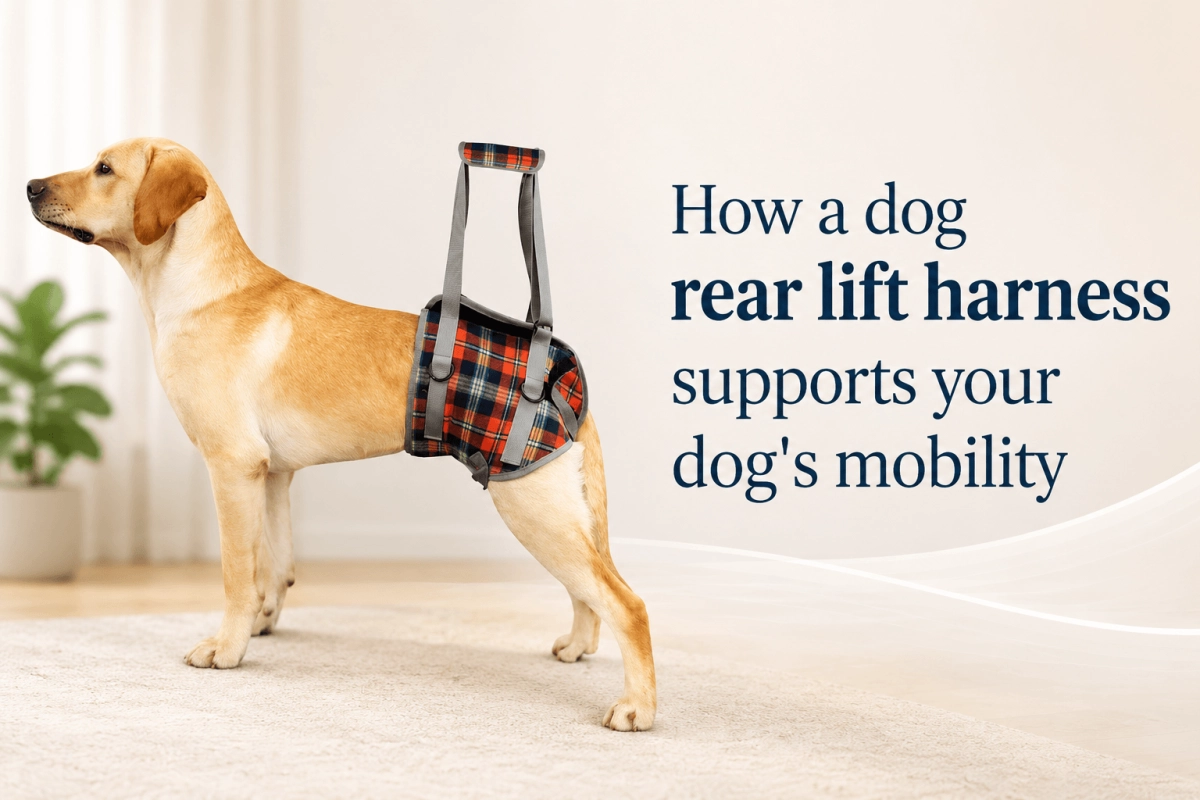
If your dog struggles with hind leg weakness or injury, a dog rear lift harness can make a big difference. You can help your dog stand, walk, and stay active without extra strain. Many pet owners worry about comfort or how easy it is to use. Most harnesses fit snugly and let your dog move with less pain. You can support your dog after surgery, during old age, or when they need help with stairs and cars.
-
Helps your dog enjoy daily life, even with joint pain or mobility issues
-
Lets you assist your dog safely, reducing injury risk
-
Keeps your dog comfortable and balanced during recovery
Your dog will feel supported, and you will feel confident knowing you’re helping them live a happier, healthier life.
Key Takeaways
-
A dog rear lift harness helps dogs with weak back legs move safely and easily.
-
Using a harness lowers the chance of injury for dogs and owners during daily tasks.
-
Making sure the harness fits right is very important for your dog's comfort and support.
-
Pick the right harness type for your dog's special mobility needs.
-
Ask your veterinarian to make sure the harness is good for your dog's condition.
What is a dog rear lift harness
A dog rear lift harness is a special tool that helps you support your dog's back legs. You use it when your dog has trouble walking, standing, or climbing because of weak or injured hind legs. This harness is different from a regular harness. It focuses on the back end, so you can help your dog move without hurting them or yourself.
How it works
You slide the harness up your dog's back legs and fasten it over their hips. Most harnesses have soft padding and adjustable straps. These features keep your dog comfortable and make sure the harness fits well. You will find handles on top, so you can gently lift and guide your dog. Some harnesses even have removable shields for male dogs, which helps with comfort and hygiene.
When you use the handles, you take some weight off your dog's back legs. This support helps your dog walk, climb stairs, or get into the car. The harness spreads your dog's weight evenly, so there is less pressure on their joints. You also protect your own back because you do not have to bend down as much.
Tip: Always check the fit before each use. A snug harness gives your dog the best support and prevents slipping.
When to use a rear lift harness
You might need a dog lifting harness if your dog has:
-
Trouble walking because of age or arthritis
-
Weakness after surgery, like ACL or hip surgery
-
Hip dysplasia or other joint problems
-
Injuries that make it hard to stand or climb
Veterinarians often recommend a dog rear lift harness for dogs recovering from surgery or living with long-term joint pain. You can use it to help your dog with daily activities, like going outside for a walk or getting up from their bed. Always talk to your vet before starting, so you know the harness is right for your dog's needs.
| Common Uses for a Rear Lift Harness |
|---|
| Helping your dog walk |
| Climbing stairs |
| Getting in and out of vehicles |
| Going to the bathroom |
Types of dog lifting harnesses
Choosing the right harness can make a huge difference for your dog’s comfort and recovery. You’ll find several types on the market, each with its own design and purpose. Let’s break down the main options so you can pick what works best for your furry friend.
Back-end support harness
A back-end support harness focuses on your dog’s hips and hind legs. You slip it under your dog’s back end and use the handles to lift and guide them. This type is perfect if your dog has weak back legs but can still use their front legs well. You get better control during walks and your dog feels less stress on their neck.
Here’s a quick look at the pros and cons:
| Advantages |
Disadvantages |
|---|---|
| Better control during walking |
Takes time to put on |
| Less stress on the neck |
Takes time to adjust |
| Safe and secure |
Tip: If your dog just had surgery or deals with arthritis, a back-end harness can help them move safely without extra pain.
Full body lift harness
A full body lift harness supports your dog’s chest, belly, and hips all at once. You use this harness if your dog needs help with both front and back legs. It’s a great choice for dogs who can’t stand on their own or need extra support after a big surgery. You’ll see handles on both ends, so you can lift your dog evenly and keep them balanced.
This harness helps your dog stay active and keeps their muscles working. It also protects you from hurting your back when you help your dog move.
Vest-style and gender-specific options
Vest-style harnesses wrap around your dog’s body like a comfy jacket. They often have soft padding and adjustable straps. You can use these for daily walks or when your dog’s mobility changes from day to day. Some harnesses come with special designs for male or female dogs. For example, a U-band opening lets male dogs pee without taking off the harness.
Here’s a table showing other common harness types and their uses:
| Harness Type |
Design Features |
Intended Use |
|---|---|---|
| Sport Harness |
Adjustable, breathable, handle for lifting |
Training and agility |
| Utility Harness |
Protective, easy to apply and remove |
Everyday use, lifting |
| No-Pull Harness |
Front clip, reinforced back handle |
Walks and runs |
Note: Picking the right harness means your dog gets the support they need. The right fit can help your dog walk better, stay comfortable, and recover faster. You’ll also feel more confident helping your dog every day.
Key benefits for dogs and owners
Mobility and safety support
You want your dog to move with confidence, even when their back legs feel weak. A dog rear lift harness gives your dog the support they need to walk, climb stairs, or get into the car. You hold the handles and help your dog balance, so they do not slip or fall. This support means your dog can stay active and enjoy daily life.
Many dogs face mobility problems as they get older or after surgery. A mobility harness targets the hindquarters, making it easier for your dog to stand up and move around. You help your dog walk without causing pain or discomfort. These harnesses also let your dog join family walks and playtime, which keeps their spirits high.
-
Rear lift harnesses work well for dogs with hip dysplasia, arthritis, or after surgery.
-
You can guide your dog safely up and down stairs.
-
Your dog feels more secure and less afraid of falling.
-
The harness helps your dog get in and out of vehicles without stress.
Canine rehabilitation specialists see how a dog rear lift harness changes lives. Dogs who use these harnesses during therapy sessions often regain strength and independence. You give your dog a chance to stay connected to their world.
Note: While research on injury prevention is still growing, many owners and veterinarians believe that a dog lifting harness offers better support and control for dogs with mobility issues.
Pain relief and rehabilitation
Pain can stop your dog from enjoying life. A dog rear lift harness helps by taking pressure off sore joints and muscles. You lift some of your dog’s weight, so they do not have to struggle. This support makes walking and standing less painful.
Dogs recovering from surgery or injury need gentle help. A mobility harness lets you lift and stabilize your dog without hurting them. You can help your dog move around the house, go outside, or do simple exercises. This keeps your dog’s muscles working and helps them heal faster.
-
Dogs with arthritis, hip dysplasia, or nerve problems move better with a harness.
-
The harness reduces strain on joints, making each step easier.
-
You can help your dog with daily activities, like going to the bathroom or getting up from bed.
Here’s a table showing how a dog rear lift harness supports your dog’s recovery and quality of life:
| Benefit Type |
Description |
|---|---|
| Enhanced Quality of Life |
Your dog moves more and enjoys daily routines again. |
| Post-Surgical Support |
You give controlled help after surgeries like TPLO or hip replacements. |
| Help for Chronic Conditions |
Dogs with arthritis or partial paralysis feel less pain and more freedom. |
| Improved Daily Living |
Your dog stays independent, and you feel less stress as a caregiver. |
Tip: Using a dog lifting harness during rehab can boost your dog’s confidence and help them recover faster.
Reduced strain for owners
Helping a large or heavy dog can be tough on your body. A dog rear lift harness makes things easier for you. The built-in handles give you a strong grip, so you do not have to bend or twist your back. You lift your dog safely and avoid hurting yourself.
A dog lifting harness is a smart choice if you have back or joint problems. You can help your dog without risking your own health. Adjustable straps let you fit the harness to your dog’s shape, which means you do not struggle with slipping or shifting.
-
The harness reduces the physical burden for elderly or physically limited owners.
-
You can help your dog with less effort and more control.
-
Proper sizing and fit prevent chafing and make lifting smoother.
You and your dog both benefit from a harness that fits well. You feel more confident helping your dog, and your dog feels supported every step of the way.
Callout: A dog rear lift harness does not just help your dog—it protects your health, too. You and your dog can enjoy more time together, with less worry about injuries.
Choosing and fitting a rear lift harness
Sizing guidelines and fit
Getting the right fit for your dog lifting harness matters a lot. You want your dog to feel comfortable and supported every time you use it. Here’s how you can measure your dog for the best fit:
-
Take each measurement three times for accuracy.
-
Let your dog walk a few steps between measuring rounds.
-
Measure the neck circumference just in front of the sternum, below the collar.
-
Check the distance from elbow to floo
-
Measure from elbow to elbow across the chest.
-
Find the distance between the shoulder blades.
-
Measure the torso circumference at the widest part of the ribcage.
-
Check the distance from chest to torso.
-
Measure from neck to the widest part of the ribcage.
If you rely only on neck measurements, you might miss proper hind end support. A harness that’s too tight can pinch and cause discomfort. If it’s too loose, your dog won’t get the support they need. Always aim for a snug, comfortable fit so your dog enjoys every walk.
Tip: Double-check the fit before each use. Your dog’s comfort comes first!
Material and durability
You want a dog lifting harness that lasts and keeps your dog safe. High-quality harnesses use strong materials and smart designs. Here’s a quick look at what makes a harness durable:
| Material |
Properties |
|---|---|
| High-density nylon |
Strong, resists abrasion, lasts a long time |
| Neoprene |
Soft, flexible, adds comfort |
| Mesh fabrics |
Breathable, reduces friction |
| Reinforced stitching |
Prevents fraying or tearing |
| Bar-tacked stress points |
Handles heavy loads, boosts strength |
“Some dogs have metal allergies, which is problematic since many collars have metal rings or tags. Fabrics like cotton, hemp, or micro-fibers are less likely to cause problems. Some synthetic collars like nylon and polyester can cause skin allergies. BioThane® causes minimal skin irritation because it’s waterproof and resists bacteria and mold growth.”
Regular inspection and maintenance help your harness last longer. Store it in a clean, dry place and hang it by the D-ring to keep its shape.
Professional recommendations
Veterinarians want you to choose the right harness for your dog’s needs. Here’s what they suggest:
-
Pick a harness based on your dog’s mobility and support needs.
-
Make sure the harness fits well to avoid discomfort.
-
Choose soft materials to prevent skin irritation.
-
Look for adjustable straps to match your dog’s body shape.
-
Find a harness that’s easy to put on and take off.
-
Check for durability so it stands up to daily use.
-
Think about where your dog needs support, like the rear end for hind leg weakness.
-
The harness should be machine washable or have removable parts for easy cleaning.
-
Handles and straps must feel comfortable for lifting.
-
Inspect the harness before each use. Formal inspections should happen at least once a year.
-
Clean the harness often to remove dirt and check for wear.
Callout: If you have a senior dog, focus on fit, comfort, durability, and adjustability. Padding and even weight distribution help prevent chafing and keep your dog happy.
A rear lift harness can change your dog’s life. You help your dog stand, walk, and climb stairs with less pain. Your dog feels more confident and enjoys daily activities again. Always talk to your veterinarian before choosing a harness. They can guide you to the best fit for your dog’s needs. With the right support, your dog stays active, safe, and happy. You give your dog the chance to enjoy every moment by your side.
FAQ
How do you put a rear lift harness on your dog?
You slide the harness under your dog’s back legs and fasten it over their hips. Make sure the straps are snug but not too tight. Check the handles for easy lifting. Your dog should feel comfortable and secure.
Can your dog wear the harness all day?
No, your dog should not wear the harness all day. You use it when your dog needs help walking, climbing stairs, or getting up. Remove the harness after each use to prevent skin irritation and keep your dog comfortable.
How do you clean a dog rear lift harness?
Most harnesses are machine washable. You can use mild soap and cold water. Hang the harness to dry. Check the label for cleaning instructions. Regular cleaning keeps the harness fresh and safe for your dog.
When should you ask your vet about using a harness?
You should talk to your vet if your dog has trouble walking, is recovering from surgery, or shows signs of pain. Your vet can help you choose the right harness and make sure it fits your dog’s needs.
0 Comments